Understanding the Chilean Transition to Democracy
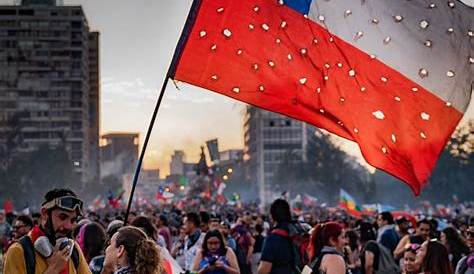
The transition to democracy in Chile in 1990 marked the end of Augusto Pinochet's nearly two-decade-long dictatorship. This period was characterized by significant human rights abuses and repression. The transition was fueled by a combination of social unrest, economic crises, and international pressure, culminating in a national plebiscite that led to democratic reforms.
What triggered the transition to democracy in Chile?
The transition to democracy in Chile was set in motion by various factors that accumulated during Pinochet's rule. Starting in the late 1980s, rising social discontent driven by economic hardships played a significant role. While the economic policies of the dictatorship initially stabilized the economy, they ultimately resulted in growing inequality and social unrest. Labor strikes, protests, and widespread opposition galvanized citizens against the regime. Internationally, growing pressure from global human rights organizations brought attention to the regime's abuses. A pivotal moment occurred in 1988 with a plebiscite, where Chileans voted against extending Pinochet's presidency. This event marked the beginning of the end for his dictatorship and opened the door for democratic reforms.
Who were the main figures involved in the transition?
Several key figures played pivotal roles during Chile's transition to democracy. Patricio Aylwin emerged as a central leader for the opposition. An active politician before the coup, he later led the Concertación coalition, which united various political groups against Pinochet. His leadership was instrumental in advocating for democratic reforms and guiding the transition process after the 1988 plebiscite. Conversely, Augusto Pinochet remained a significant figure, as he was reluctant to relinquish power and retained influence even after the plebiscite. His eventual agreement to step down was crucial, yet he ensured that the military retained certain powers through a new constitution. The interplay between these leaders' actions and the people's demands shaped the political context of the time.
What were the challenges during the transition period?
The transition to democracy in Chile faced numerous challenges that tested the resilience of its new political framework. The legacy of Pinochet's regime created a climate of fear and distrust among the populace, leading many citizens to hesitate in engaging politically after years of repression. Economically, the country grappled with high unemployment and inflation, which placed additional pressure on the new government to deliver quick results. Socially, the nation was deeply divided; supporters of Pinochet often clashed with opponents. The transition was marked by debates over human rights violations and the need for accountability, as many victims of the regime sought justice. The government had to navigate these complex issues while establishing a stable democratic environment.
How did the transition affect Chilean society?
The transition to democracy had profound effects on Chilean society, reshaping its political culture and citizen engagement. With the establishment of democratic governance, Chileans gained new freedoms, including the right to vote, freedom of speech, and the ability to organize politically. This newfound political space encouraged civic participation, as citizens became more active in voicing their opinions and advocating for their rights. Culturally, the transition prompted a re-examination of the past, leading to movements that sought to remember the victims of the dictatorship and address historical injustices. Furthermore, the shift influenced the economy; while the initial years were challenging, the democratic government implemented reforms that eventually led to significant economic growth, fostering a sense of hope and possibility, though the shadows of the past still lingered in many aspects of society.
What lessons can be learned from Chile's experience?
Chile's transition to democracy offers valuable lessons for other countries facing similar struggles. One key takeaway is the importance of unity among opposition forces; a diverse coalition can present a stronger front against authoritarian regimes. Additionally, the role of international pressure cannot be underestimated; global awareness of human rights abuses can catalyze political change. Aylwin's leadership highlights the significance of having credible and committed leaders who can navigate the complexities of transitioning from dictatorship to democracy. Finally, addressing past injustices is vital for fostering long-term stability; acknowledging and reconciling with the past can help heal societal wounds and promote a more inclusive future.
Conclusion
To gain a deep understanding of Chile's transition to democracy, it is essential to explore the key events leading to the 1988 plebiscite and the roles of figures like Patricio Aylwin. It is also important to consider the societal challenges encountered during this shift. Recognizing the lasting impacts on Chilean culture and politics will provide insights into the broader implications of democratic transitions, resulting in a nuanced grasp of how such changes unfold and their significance for citizen engagement and political stability.
Frequently Asked Questions
What was the plebiscite in 1988?
The plebiscite in 1988 was a national referendum where Chileans voted on whether to extend Augusto Pinochet's presidency for another eight years. It was a pivotal moment in the transition to democracy, as the majority voted against extending his rule, leading to a shift towards democratic governance.
Who was Patricio Aylwin?
Patricio Aylwin was a prominent Chilean politician who became the first democratically elected president after Pinochet's dictatorship. He played a crucial role in leading the opposition coalition and was instrumental in guiding Chile through the transition to democracy.
What economic challenges did Chile face during the transition?
During the transition to democracy, Chile faced significant economic challenges, including high unemployment and inflation. The economic policies of Pinochet's regime had initially stabilized the economy but eventually led to inequality and social unrest, which the new government had to address.
How did Chileans engage politically after the transition?
After the transition to democracy, Chileans became more politically active, participating in elections and civic discussions. The newfound freedoms allowed citizens to express their opinions, advocate for their rights, and engage in political movements.
What is the significance of addressing past human rights abuses in Chile?
Addressing past human rights abuses in Chile is significant for fostering reconciliation and healing within society. Acknowledging the victims and ensuring accountability can help build trust in democratic institutions and promote a more inclusive future.