Understanding the Attempted Assassination of Augusto Pinochet
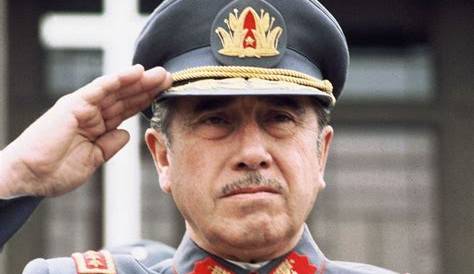
The attempted assassination of Augusto Pinochet is a critical event in Chilean history, illustrating the severe political strife during his regime. Pinochet, who came to power after a military coup in 1973, faced numerous assassination attempts as opposition to his authoritarian rule intensified. The most significant attempt occurred on September 7, 1986, when leftist groups coordinated an attack on his convoy, marking a turning point in the conflict between his government and its adversaries.
What happened during the assassination attempts on Pinochet?
The most prominent assassination attempt against Augusto Pinochet took place on September 7, 1986. A group of Chilean leftist militants, known as the Manuel Rodríguez Patriotic Front, ambushed Pinochet's convoy in the suburb of El Meloncito in Santiago, using machine guns and grenades. The attack resulted in several deaths among his escorts, and Pinochet sustained minor injuries. This incident represented a dramatic escalation in the opposition's efforts against his regime. Other attempts included a failed bombing in 1987, showcasing the determination of those who sought to end his rule.
Why was Pinochet targeted for assassination?
Pinochet was targeted for assassination largely because of his brutal dictatorship, characterized by widespread human rights abuses, including torture, disappearances, and extrajudicial killings. After the military coup in 1973, he established a regime that violently suppressed dissent, leading to significant unrest among various factions in Chile. The political climate was fraught, with leftist movements and even moderate groups uniting against him. The opposition viewed assassination as one of the few remaining options to remove a leader perceived as a tyrant. This environment of fear and repression fueled the motivations behind the assassination attempts.
How did the assassination attempts affect Pinochet's rule?
The assassination attempts profoundly impacted Pinochet's governance and his government's policies. Although he survived the attacks, they heightened his paranoia and prompted an even stricter crackdown on dissent. In the aftermath, Pinochet intensified state repression, implementing measures to root out opposition through increased surveillance and violence. Conversely, the attempts galvanized support among those who perceived him as a defender against communism. However, they also exposed vulnerabilities within his regime, revealing that dissent was not entirely extinguished and that opposition groups were willing to take extreme actions. This duality complicated his governance, as he had to balance the need for security with ongoing pressure from both domestic and international fronts.
What were the international reactions to the assassination attempts?
Internationally, reactions to the assassination attempts on Pinochet were mixed. Some countries, particularly those allied with the U.S., continued to support him as a crucial ally in the fight against communism in Latin America. However, there was increasing condemnation from human rights organizations and some governments regarding his crackdown on dissent. The assassination attempts prompted calls for accountability and raised concerns about the legitimacy of his regime. As awareness of human rights abuses spread, Latin American nations that once supported Pinochet began to distance themselves from him, leading to mounting international pressure for democratic reforms in Chile. This shifting dynamic illustrated the complexities of Cold War politics and the impact of domestic violence on international relations.
What lessons can we learn from these events today?
The attempted assassinations of Pinochet illustrate critical lessons about the consequences of authoritarian rule and the lengths to which people will go to resist oppression. They emphasize the importance of addressing human rights abuses and the need for accountability within regimes that prioritize power over people. These events also highlight the role international relations play in supporting or undermining oppressive governments. Today, we can reflect on these lessons in the context of ongoing struggles for democracy and human rights around the world, recognizing that history often repeats itself if we fail to learn from it.
Conclusion
To gain a deeper understanding of the attempted assassination of Augusto Pinochet, it is essential to explore the political dynamics of Chile during his regime and the broader implications for international relations. Focus on the motivations behind the assassination attempts and the responses from both the regime and the international community. By recognizing these patterns, you can better appreciate the ongoing challenges to democracy and human rights in various contexts today.
Frequently Asked Questions
What were the main assassination attempts on Pinochet?
The most notable attempt occurred on September 7, 1986, when a leftist group ambushed Pinochet's convoy with machine guns and grenades. Other attempts included a foiled bombing in 1987, illustrating the extreme measures taken by the opposition against his regime.
Why did people oppose Pinochet's government?
Opposition to Pinochet stemmed from his regime's widespread human rights abuses, including torture, executions, and suppression of dissent. Many Chileans, including leftist groups and moderates, united against his authoritarian rule, seeking to restore democracy.
How did assassination attempts change Pinochet's policies?
The assassination attempts led to a more repressive environment under Pinochet, as he intensified crackdowns on dissent and increased state surveillance. The attacks fueled his paranoia, prompting stricter measures to maintain control.
What was the international response to the assassination attempts?
Reactions varied; some countries supported Pinochet as a strategic ally, while others condemned his human rights violations. The attempts also triggered international calls for accountability and highlighted the diminishing support for his regime over time.
What can we learn from Pinochet's assassination attempts?
These events teach us about the dangers of authoritarianism and the resilience of opposition movements. They remind us of the importance of human rights and the need for vigilance against oppressive regimes, as history often repeats itself.