Understanding the Yokosuka Naval Air Group's Impact
If you're researching naval aviation units in Japan during the 20th century, the Yokosuka Naval Air Group is a crucial subject. Formed in 1932, it was an essential part of the Imperial Japanese Navy's air operations, especially during World War II. The group played a significant role in various key missions and operated several notable aircraft that shaped its legacy in Japanese naval aviation.
What was the Yokosuka Naval Air Group?
The Yokosuka Naval Air Group, officially formed in 1932, was a vital component of the Imperial Japanese Navy's air forces. Based at Yokosuka Naval Base, it was primarily tasked with providing air support for naval operations and ensuring air superiority. This group not only showcased operational capabilities but also contributed to the development of naval aviation in Japan. It served as a model for other naval air groups and helped innovate tactics and technologies that influenced air combat strategies. The establishment of the group marked a significant shift in naval doctrine, highlighting the increasing importance of integrating air power with naval operations.
What missions did the Yokosuka Naval Air Group undertake?
Throughout its operational history, the Yokosuka Naval Air Group was involved in several key missions that demonstrated its capabilities. One of its most early notable engagements occurred during the Second Sino-Japanese War, where it supported ground operations through air strikes and reconnaissance missions. In World War II, the group participated in significant campaigns, including the attack on Pearl Harbor and various operations throughout the Pacific Theater. These missions included launching air raids against enemy fleets and infrastructure, providing cover for naval forces, and conducting search and rescue operations. However, as the war progressed, the group faced challenges such as resource shortages and evolving enemy tactics, which limited its operational effectiveness.
Which aircraft were integral to the Yokosuka Naval Air Group?
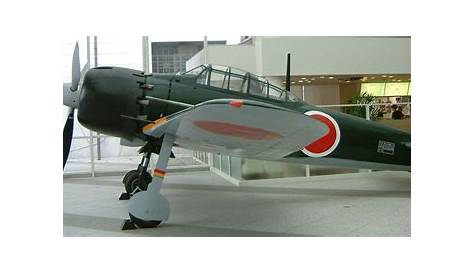
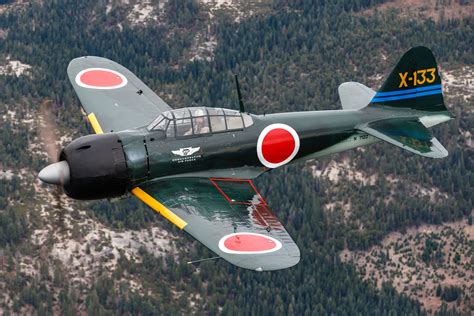
The Yokosuka Naval Air Group operated several notable aircraft that played critical roles in its missions. Among them was the A6M Zero, a highly maneuverable fighter aircraft renowned for its range and agility, which became synonymous with Japanese naval air power. Another important aircraft was the K5Y, known as the "Willow," which served as a reconnaissance and training plane. The group also utilized the D4Y Suisei, a dive bomber effective in attacking ships and land targets. Each aircraft had specific roles and capabilities, significantly contributing to the overall effectiveness of the group in various combat scenarios.
How did the group evolve over time?
Initially, the Yokosuka Naval Air Group focused on conventional air combat and support missions. However, as the technological landscape of warfare changed, so did the group. Throughout the 1930s and into the war, the group adapted by incorporating newer aircraft and tactics, reflecting advancements in aviation technology. For instance, the introduction of radar and improved communication systems changed how air operations were conducted. Additionally, as the war progressed, the group faced challenges such as attrition and the need to train new pilots quickly. This evolution was not always smooth; the transition to newer aircraft sometimes resulted in operational difficulties and necessitated adjustments in training programs.
What is the legacy of the Yokosuka Naval Air Group today?
The legacy of the Yokosuka Naval Air Group is evident in the ongoing evolution of naval aviation tactics and technologies. The lessons learned from the group's operational experiences are studied in military academies and inform contemporary naval air operations. Although the group itself no longer exists, its impact on Japanese naval aviation remains significant. The aircraft and strategies developed during its active years laid the groundwork for future advancements in naval air power. The principles of integrating air and naval operations continue to resonate in modern military doctrine, underscoring the enduring relevance of the group's contributions.
Conclusion
To understand the significance of the Yokosuka Naval Air Group, examine its missions and the aircraft it utilized. Consider how its operations evolved in response to the changing dynamics of warfare during its active years. Recognizing its legacy can provide valuable insights into the development of modern naval aviation and the critical role of air power in naval strategy.
Frequently Asked Questions
When was the Yokosuka Naval Air Group established?
The Yokosuka Naval Air Group was established in 1932 as part of the Imperial Japanese Navy's efforts to enhance its air capabilities.
What role did the Yokosuka Naval Air Group play in World War II?
During World War II, the Yokosuka Naval Air Group participated in key missions including the attack on Pearl Harbor and various operations throughout the Pacific Theater, focusing on air support for naval operations.
What aircraft did the Yokosuka Naval Air Group use?
The group operated several notable aircraft, including the A6M Zero fighter, the K5Y reconnaissance plane, and the D4Y Suisei dive bomber, each playing crucial roles in their missions.
How did the Yokosuka Naval Air Group adapt over time?
The group evolved by incorporating newer aircraft and technologies, adapting its tactics as the war progressed while facing challenges such as resource shortages and the need for rapid pilot training.
What is the legacy of the Yokosuka Naval Air Group?
The legacy of the Yokosuka Naval Air Group lives on in the principles of naval aviation and air power integration, influencing modern military strategies and practices.