Understanding V. Shantaram's Impact on Indian Cinema
V. Shantaram is a pivotal figure in Indian cinema known for his innovative filmmaking and profound social commentary. His work not only shaped the industry but also addressed pressing social issues, making his films essential for understanding the evolution of Indian cinema. As a director, actor, and producer, Shantaram's legacy continues to influence contemporary filmmakers and offers valuable lessons in storytelling and social engagement.
Who was V. Shantaram and why is he important?
V. Shantaram was a groundbreaking figure in Indian cinema, recognized for his versatility as a director, actor, and producer. Born in 1901, he began his career in the silent film era before swiftly adapting to the advent of talkies. His contributions to Indian cinema go beyond entertainment; he frequently addressed social issues such as poverty, women's rights, and communal harmony. Shantaram's films were among the first to capture the complexities of Indian society, establishing him as a crucial influencer in the realm of filmmaking. His legacy is visible in how modern directors approach storytelling, often drawing inspiration from the themes he introduced.
What are V. Shantaram's most notable films?
V. Shantaram's notable films include 'Duniya Na Mane' (1937) and 'Gadad Jambhal' (1963). 'Duniya Na Mane' explores social issues through a dramatic narrative that challenges societal norms and is one of the earliest films to incorporate realism effectively. In contrast, 'Gadad Jambhal' blends entertainment with poignant social messages, focusing on the struggles faced by the rural poor. Both films underscore his dedication to addressing societal concerns while advancing the boundaries of cinematic storytelling. Their cultural significance is immense, as they encouraged future filmmakers to tackle complex themes.
How did V. Shantaram influence Indian cinema?
V. Shantaram influenced Indian cinema by introducing a narrative style that merged social realism with musical elements. His films highlighted the struggles of everyday people, resonating deeply with audiences. This approach not only entertained but also educated viewers about critical social issues. For instance, his film 'Dr. Kotnis Ki Amar Kahani' (1946) addressed sacrifice during wartime, significantly shaping public sentiment and awareness. Shantaram's readiness to confront social realities opened doors for future filmmakers to explore similar themes, ensuring cinema became a medium for societal change.
What unique techniques did Shantaram use in his films?
Shantaram was recognized for his innovative use of music, choreography, and cinematography. He often integrated songs that advanced the narrative, a technique that became a hallmark of Indian cinema. His films included elaborate dance sequences, carefully choreographed to reflect the characters' emotional states. Moreover, his cinematography featured striking visuals that enhanced the themes of his films, frequently utilizing natural landscapes to enrich storytelling. This distinctive blend of elements set him apart from his contemporaries, rendering his films memorable and impactful.
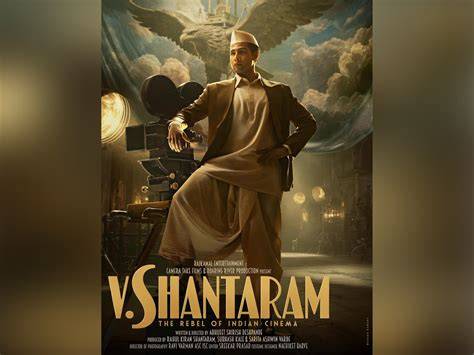
What can contemporary filmmakers learn from V. Shantaram?
Contemporary filmmakers can learn several valuable lessons from V. Shantaram's approach to cinema. First, integrating social commentary into entertainment remains relevant. Shantaram's skill in weaving significant issues into engaging narratives demonstrates that films can inspire change while captivating audiences. His innovative use of music and visual storytelling encourages modern directors to experiment with these elements in their own work. Lastly, his commitment to authenticity and emotional depth in storytelling serves as a model for filmmakers today. By blending art with meaningful messages, they can create films that resonate with viewers on multiple levels.
Conclusion
To grasp V. Shantaram's storytelling techniques and themes, start by viewing his key films. Note how he addresses social issues through narrative and visual style. While some elements of his filmmaking may seem dated, his dedication to meaningful content offers a valuable framework for modern filmmakers. Embracing his blend of entertainment and social commentary can lead to impactful cinema that speaks to current audiences.
Frequently Asked Questions
What is V. Shantaram best known for?
V. Shantaram is best known for his pioneering films that addressed social issues and integrated music and dance into storytelling. His work laid the foundation for future filmmakers in Indian cinema.
Which of V. Shantaram's films are considered classics?
Classics among V. Shantaram's films include 'Duniya Na Mane' and 'Dr. Kotnis Ki Amar Kahani'. These films are celebrated for their storytelling and social relevance.
How did V. Shantaram contribute to social issues through cinema?
Shantaram used his films to highlight various social issues, including poverty and women's rights, making them central to the narratives. His work encouraged audiences to reflect on these challenges.
What techniques did V. Shantaram introduce in filmmaking?
Shantaram introduced innovative techniques such as integrating musical numbers into narratives and using striking cinematography to enhance storytelling. His unique style has influenced many filmmakers.
How did V. Shantaram's films reflect Indian society?
His films often depicted the struggles and aspirations of ordinary people, reflecting the complexities of Indian society. This focus on realism allowed audiences to engage with the social issues presented.