How to Use Kikkoman Soy Sauce for Authentic Flavor
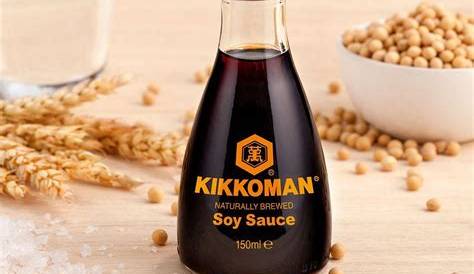
If you want to add authentic flavor to your meals, Kikkoman soy sauce is an excellent choice. This renowned brand enhances dishes with its rich umami taste without overpowering them. By learning about the different types of Kikkoman soy sauce and how to use them effectively, you can elevate your cooking, whether in a stir-fry or a marinade.
What is Kikkoman soy sauce and why is it special?
Kikkoman soy sauce is crafted using a traditional brewing process that distinguishes it from many other soy sauces. This method ferments soybeans and wheat with a unique blend of mold, yeast, and bacteria, resulting in a rich, complex flavor. The fermentation process spans several months, allowing the flavors to fully develop. Because Kikkoman soy sauce is naturally brewed, it retains the original flavor of the ingredients without artificial additives, leading to a savory and slightly sweet sauce that is versatile for various dishes.
Which Kikkoman soy sauce should I choose for my dishes?
Kikkoman offers several types of soy sauce tailored for different culinary applications. The regular soy sauce is an all-purpose option with a balanced flavor, perfect for marinades, dipping sauces, and stir-fries. If you're conscious of sodium intake, the low-sodium version provides the same umami taste but with about 40% less salt. For gluten-free diets, Kikkoman Tamari is a suitable choice, made with minimal wheat. Selecting the right type depends on your dietary preferences and the specific flavor profile you want to achieve in your dish.
How do I store Kikkoman soy sauce properly?
Proper storage is crucial for maintaining the freshness and quality of Kikkoman soy sauce. Once opened, keep the bottle tightly sealed and store it in a cool, dark place, such as a pantry. If you plan to keep it for a longer period, refrigeration is recommended to help preserve its flavor. While soy sauce has a long shelf life due to its high salt content, exposure to heat and light can degrade its quality over time. Always check for off odors or changes in color before using.
What are some easy recipes to try with Kikkoman?
Kikkoman soy sauce can enhance simple recipes with its rich flavor. One easy dish is a vegetable stir-fry: sauté your choice of vegetables in a bit of oil, then add Kikkoman soy sauce toward the end for a savory finish. Another option is a marinade for grilled chicken; combine Kikkoman soy sauce with garlic, ginger, and a little honey, then let it marinate for at least 30 minutes before grilling. These recipes showcase the sauce's flavor without overshadowing other ingredients, making it perfect for home cooks.
Can Kikkoman be used in non-Asian dishes?
Absolutely! Kikkoman soy sauce is versatile and can be incorporated into various cuisines. For example, add it to salad dressings for a unique twist; combine it with olive oil, vinegar, and herbs for a delicious dressing. It also enhances marinades for grilled meats, adding depth to steaks or pork chops. Using Kikkoman in non-Asian dishes can elevate their overall flavor, making them more exciting while staying true to their original recipes.
Conclusion
Start by selecting the right type of Kikkoman soy sauce based on your dish and personal preferences. Store it properly to maintain its quality, and feel free to explore recipes that allow the sauce to shine. With a few adjustments and some creativity, you'll discover how Kikkoman can enrich a variety of meals, making your cooking experience even more enjoyable.
Frequently Asked Questions
Is Kikkoman soy sauce gluten-free?
Kikkoman offers a gluten-free option called Kikkoman Tamari, which is made with little to no wheat, making it suitable for those with gluten sensitivity or celiac disease. Always check the label to ensure it meets your dietary needs.
How long does Kikkoman soy sauce last?
When stored properly, Kikkoman soy sauce can last for years. Unopened bottles have a long shelf life, while opened bottles should be used within six months to a year for optimal flavor. Refrigeration can extend its quality even further.
Can you use Kikkoman soy sauce in baking?
Yes, Kikkoman soy sauce can be used in baking, particularly in recipes that benefit from umami flavors, like enhancing chocolate brownies. Just use it sparingly, as a little goes a long way.
What are the main differences between regular and low-sodium Kikkoman soy sauce?
The main difference is the sodium content. Regular Kikkoman soy sauce contains more salt, while the low-sodium version has about 40% less. Both versions provide the same rich flavor, so your choice depends on your dietary preferences.
Can Kikkoman soy sauce be used as a substitute for salt?
Yes, Kikkoman soy sauce can serve as a flavorful substitute for salt in many dishes. However, it will also add moisture and color, so adjust your recipe as needed to maintain the desired consistency.