Understanding West Suffolk: Key Facts and Political Landscape
If you're a voter in West Suffolk, understanding your constituency's representation and the key issues affecting your community is essential. West Suffolk is a parliamentary constituency in England that includes several towns and rural areas, blending urban and rural experiences. This article will provide insights into West Suffolk's geography, current political representation, pressing issues, recent elections, and how you can engage with local politics.
What is West Suffolk and where is it located?
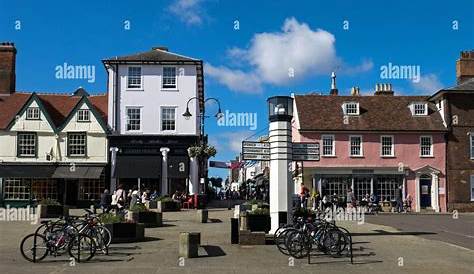
West Suffolk is situated in the eastern part of England, primarily within the county of Suffolk. The constituency encompasses a diverse range of areas, including the towns of Bury St Edmunds, Haverhill, and Newmarket, as well as surrounding rural communities. The geography features picturesque landscapes, including agricultural land, forests, and the River Lark. This combination of urban centers and countryside creates a unique demographic mix, composed mainly of families, retirees, and young professionals from various socio-economic backgrounds. The blend of town and rural life significantly influences the local culture and community activities.
Who represents West Suffolk in Parliament?
West Suffolk is currently represented in Parliament by a Member of Parliament (MP) from the Conservative Party. The MP advocates for constituents' interests, participates in debates, and votes on legislation that affects the area. Additionally, the MP engages with local issues, which can range from economic development to social services. While the Conservative Party has held this seat for multiple terms, political representation can change with each election, reflecting voters' views and priorities in West Suffolk.
What are the pressing issues in West Suffolk?
Residents of West Suffolk face several key issues impacting their daily lives. One significant concern is healthcare, particularly access to services and the quality of care provided in local hospitals and clinics. Education is another pressing matter, with ongoing discussions about funding for schools and the quality of education available to children. Infrastructure, including public transport and road maintenance, is crucial for residents, as many depend on these services for commuting and accessing amenities. Housing affordability has also emerged as a challenge, especially for young families looking to settle in the area. These issues shape local discussions and influence electoral outcomes.
How have recent elections shaped the constituency?
Recent elections in West Suffolk have revealed varied voter turnout and shifts in political sentiment. In the 2019 general election, the Conservative candidate won a significant majority, demonstrating strong local support. Voter turnout typically aligns with the national average, but local issues can lead to fluctuations in engagement. Changing demographics and evolving concerns, such as climate change and housing, have begun to influence voter priorities. Consequently, local political parties are adapting their platforms to address these emerging issues, potentially leading to more competitive races in future elections.
How can I get involved in local politics?
Engaging in local politics in West Suffolk is relatively straightforward. You can start by attending local council meetings to learn about community decisions and express your views. Contacting your MP through email or social media is another effective way to voice concerns or ask questions about local policies. Joining local political party meetings or community groups provides a platform for discussing issues that matter to you. Additionally, volunteering for local campaigns or initiatives is a proactive way to influence change within the political landscape.
Conclusion
To engage with West Suffolk's political scene, consider attending a local council meeting or reaching out to your MP with specific concerns. Focus on issues that directly affect your community. An informed and empowered voter contributes to discussions that shape your local environment, ultimately leading to better representation and governance in West Suffolk.
Frequently Asked Questions
What towns are included in the West Suffolk constituency?
The West Suffolk constituency includes several towns, most notably Bury St Edmunds, Haverhill, and Newmarket, along with various rural areas and villages.
Who is the current MP for West Suffolk?
The current MP for West Suffolk is from the Conservative Party and represents the interests of the constituency in Parliament.
What are the main concerns of West Suffolk residents?
Main concerns for West Suffolk residents include healthcare access, education quality, infrastructure needs, and housing affordability, all of which impact daily life.
How can I contact my MP in West Suffolk?
You can contact your MP through their official website, which provides their email address and social media links. Engaging with them about local issues is encouraged.
What is the voter turnout like in West Suffolk?
Voter turnout in West Suffolk typically aligns with the national average but can vary depending on the election and local issues that drive voter engagement.