Understanding Themes and Characters in 'Little Fuzzy'
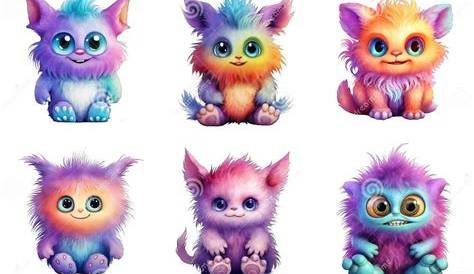
'Little Fuzzy' by H. Beam Piper tells the story of Jack Holloway's discovery of a small, intelligent species called the Fuzzies on the planet Zarathustra. This revelation ignites a conflict between those who seek to protect the Fuzzies and those who view them as mere resources. The novel explores profound questions about morality, identity, and humanity's relationship with other sentient beings, making it a compelling read for science fiction fans.
What is the main plot of 'Little Fuzzy'?
The plot of 'Little Fuzzy' follows Jack Holloway, a prospector on the planet Zarathustra, who stumbles upon a small, furry species he names the Fuzzies. Initially perceived as simple creatures, Jack soon realizes they possess intelligence and complex social structures, challenging the assumption that they are mere animals. This discovery draws the attention of corporate interests eager to exploit the planet's resources, leading to a conflict where Jack fights to protect the Fuzzies. His struggle raises questions about their rights and recognition as sentient beings, culminating in a legal battle that probes the very nature of consciousness.
Who are the key characters and what roles do they play?
Key characters in 'Little Fuzzy' include Jack Holloway, the protagonist, who embodies a rugged individualism and a strong moral compass that drives him to defend the Fuzzies. His relationship with them evolves from that of an observer to a protector as he recognizes their intelligence and emotional complexity. The corporate representatives exemplify the conflict between profit and ethics, prioritizing resources over the lives of the Fuzzies. Additionally, a legal expert assists Jack in navigating the intricacies of the law regarding sentience. Together, these characters represent diverse perspectives on morality, identity, and the intrinsic value of life.
What major themes are explored in the book?
'Little Fuzzy' delves into significant themes, particularly morality and identity. The narrative encourages readers to question what it means to be sentient and how we define intelligence. Jack's journey underscores the moral responsibility to protect those who cannot defend themselves, prompting readers to reflect on their ethical beliefs. The theme of identity is intricately woven throughout the story, especially as the Fuzzies exhibit behaviors indicating self-awareness and social bonds. This raises critical questions about consciousness and the criteria we use to define personhood, resonating with ongoing discussions about animal rights and the treatment of intelligent species.
How does 'Little Fuzzy' reflect on humanity's treatment of other species?
The narrative of 'Little Fuzzy' provokes deep philosophical inquiries regarding humanity's treatment of other species, particularly in terms of intelligence and rights. The Fuzzies, as intelligent beings capable of communication and social interaction, challenge both the characters and readers to reconsider the ethical implications of exploitation and ownership. Jack's conflict with corporate interests symbolizes a broader struggle between profit-driven motives and ethical responsibility. The story encourages reflection not only on fictional species but also on how society treats real-world animals, urging a critical examination of our definitions of intelligence and life. This reflection is vital for discussions about conservation and the ethical considerations in our interactions with sentient beings.
What can readers take away from 'Little Fuzzy'?
Readers can glean important insights from 'Little Fuzzy,' particularly regarding the recognition and respect for intelligence in all forms. The narrative illustrates that the moral landscape is nuanced, and our decisions about other species reflect societal values. Engaging with the themes of morality and identity prompts readers to advocate for the rights and protections of intelligent beings, whether they be Fuzzies or other animals in the real world. The story fosters a deeper understanding of sentience and the ethical responsibilities that accompany it, making it relevant to ongoing discussions about animal rights and environmental conservation.
Conclusion
To fully appreciate 'Little Fuzzy,' reflect on the ethical implications of sentience as you engage with its characters and plot. The narrative challenges your views on morality and identity, encouraging you to look beyond simplistic interpretations. Instead of viewing the story as just a whimsical adventure, focus on the deeper questions it raises about humanity's responsibilities toward intelligent life. Ultimately, you may finish the book with a renewed perspective on the value of life and the moral complexities of our choices.
Frequently Asked Questions
What is the significance of the Fuzzies in 'Little Fuzzy'?
The Fuzzies challenge traditional notions of intelligence and personhood. Their ability to communicate and form social bonds prompts characters and readers to reconsider what it means to be sentient, highlighting the ethical dilemmas surrounding the treatment of intelligent beings.
Who is Jack Holloway and what motivates him?
Jack Holloway is the protagonist and a prospector on Zarathustra. His motivation stems from his strong moral sense and his growing bond with the Fuzzies, driving him to protect them from exploitation by corporate interests.
What themes does 'Little Fuzzy' address?
The book addresses themes of morality, identity, and the nature of consciousness. It prompts readers to reflect on the ethical implications of intelligence and humanity's responsibilities toward other sentient beings.
How does the conflict in 'Little Fuzzy' unfold?
The conflict unfolds as Jack discovers the Fuzzies and recognizes their intelligence, leading to a confrontation with corporate entities that want to exploit the planet. This culminates in a legal battle over the rights of the Fuzzies, challenging societal norms surrounding sentience.
What impact has 'Little Fuzzy' had on discussions about animal rights?
'Little Fuzzy' has contributed to discussions about animal rights by presenting a compelling case for recognizing intelligence in non-human species. It encourages readers to consider the ethical implications of their treatment and the broader consequences of exploitation.