Understanding 'The Doll' by Bolesław Prus: Themes
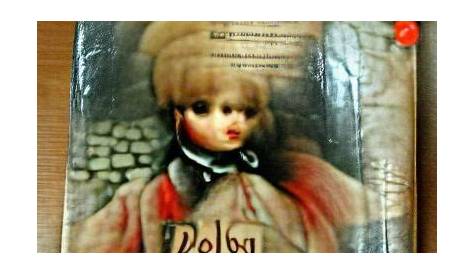
Bolesław Prus's novel 'The Doll' is a profound exploration of themes such as class, ambition, and love, set in 19th-century Poland. The story centers on Stanisław Wokulski, a merchant in Warsaw, who is deeply enamored with the beautiful but superficial aristocrat Izabela Łęcka. As Wokulski strives to win her affection, he grapples with societal expectations and his own insecurities, making this novel an essential study for understanding the complexities of human relationships in a changing social landscape.
What is the main plot of 'The Doll'?
'The Doll' follows Stanisław Wokulski, a successful businessman who has accumulated wealth through innovative investments, including a glass factory. He becomes infatuated with Izabela Łęcka, an aristocrat more focused on social status than on genuine affection. Throughout the novel, Wokulski navigates the challenges of social class and his feelings for Izabela, facing obstacles such as societal expectations and his own insecurities. Other key characters include Wokulski's friend, Rzecki, who embodies traditional Polish values that clash with the emerging capitalist culture, and Izabela's father, Count Łęcki, who represents the waning aristocracy. The plot intricately intertwines the lives of these characters, revealing their ambitions and disappointments within a society in flux.
What themes does 'The Doll' explore?
'The Doll' explores several significant themes, most notably social class, love, and ambition. Social class is a central theme, as Wokulski's rise from humble origins to wealth creates tension with the aristocracy, particularly with Izabela, who perceives him as socially inferior despite his financial success. The theme of love is illustrated through Wokulski's unrequited feelings for Izabela, demonstrating how love can be both uplifting and destructive, particularly when influenced by societal expectations. Wokulski's deep affection is often met with rejection and disdain, highlighting the complexities of love in a class-driven society. Ambition is also a crucial theme, as Wokulski's desire to prove himself leads him to pursue both wealth and Izabela, ultimately resulting in inner conflict and disillusionment. The interplay of these themes showcases the struggles of the individual against societal norms and personal desires.
How does the historical context influence the story?
Set in 19th-century Poland, the novel reflects a period of significant social and political transformation marked by the decline of the aristocracy and the rise of the bourgeois class. This historical context is essential to understanding the motivations and actions of the characters. Wokulski exemplifies the new capitalist spirit, driven by ambition and a longing for social mobility, while Izabela and her family symbolize the old order, struggling to maintain their relevance in a changing world. The partitions and foreign rule over Poland further contribute to a sense of uncertainty and a longing for national identity among characters. This backdrop enriches the narrative, illustrating how personal aspirations are intertwined with broader societal shifts.
What literary techniques does Prus use?
Prus employs various literary techniques that enhance the narrative, particularly symbolism and a nuanced narrative style. The titular doll serves as a symbol of Izabela’s superficiality and the societal expectations imposed on women. Throughout the story, objects and settings carry deeper meanings, reflecting the characters’ internal struggles and critiques of society. Prus’s narrative style combines realism with psychological insight, allowing readers to grasp the complexities of his characters’ emotions and dilemmas. For example, Wokulski's internal monologues reveal his conflicted feelings about love, ambition, and societal acceptance, drawing readers deeper into his psyche.
How can I interpret the ending of 'The Doll'?
The ending of 'The Doll' is ambiguous, inviting various interpretations. Wokulski's decision to leave Warsaw and his unresolved feelings for Izabela can be viewed as a rejection of unrequited love and the societal constraints that bind him. Some readers may see this as a tragic conclusion, emphasizing the futility of Wokulski’s ambitions, while others might interpret it as a moment of liberation—a step towards self-discovery beyond Izabela's influence. This open-endedness encourages consideration of the complexities of love and ambition in relation to personal fulfillment and societal expectations. Formulating your own interpretation can lead to a deeper understanding of the novel's themes.
Conclusion
In preparing your essay on 'The Doll', concentrate on how Prus weaves Wokulski's personal struggles with the societal themes of class, ambition, and love. Pay close attention to the historical context of 19th-century Poland, as it enhances the narrative and informs character motivations. Additionally, consider the literary techniques, such as symbolism, that elevate the story. Instead of merely summarizing the plot, focus on analyzing how these themes resonate with contemporary issues. A nuanced understanding of the text will reveal connections between its themes and both its historical context and modern reflections.
Frequently Asked Questions
What are the main characters in 'The Doll'?
The main characters include Stanisław Wokulski, a successful merchant; Izabela Łęcka, the aristocrat he loves; and Rzecki, Wokulski's friend who embodies traditional values. Other important figures are Izabela's father, Count Łęcki, and various members of the social elite, each representing different aspects of Polish society.
What is the significance of the title 'The Doll'?
The title symbolizes Izabela's superficiality and the idealized image of women in society. It reflects how Wokulski perceives Izabela as an object of desire rather than a fully realized individual, emphasizing the theme of unattainable love.
How does 'The Doll' reflect Polish society in the 19th century?
The novel captures the tensions between the declining aristocracy and the rising bourgeois class, illustrating the social dynamics and struggles of identity during a period of foreign occupation and change.
What role does ambition play in 'The Doll'?
Ambition drives Wokulski's character, motivating him to achieve wealth and pursue Izabela. However, it also leads to his eventual disillusionment, highlighting the conflict between personal desires and societal expectations.
Is 'The Doll' considered a realist novel?
Yes, 'The Doll' is often categorized as a realist novel, focusing on the daily lives and struggles of its characters while portraying social issues and psychological depth in a detailed and realistic manner.