Understanding Synthetic Media and Its Impact on Content Creation
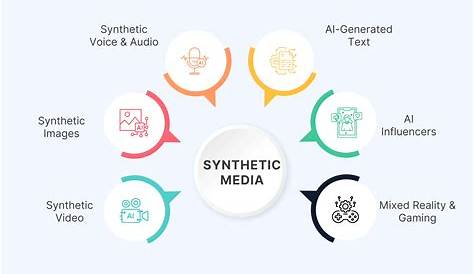
Synthetic media can significantly enhance your content creation process by allowing you to generate or manipulate material using algorithms or artificial intelligence. From deepfake videos to AI-generated art, synthetic media offers innovative ways to streamline your production and elevate creativity. As a content creator, understanding how to effectively utilize these tools can transform the way you approach your projects.
What is synthetic media, and why does it matter?
Synthetic media refers to any content created or altered using artificial intelligence or algorithms. This includes generating entirely new images or sounds and manipulating existing media for various purposes. A prominent example is deepfakes, which use machine learning to create realistic videos that can make it seem as if someone said or did something they did not. Another example is AI-generated art, where programs like DALL-E create unique artworks based on text prompts. These technologies are vital because they open new avenues for creativity and storytelling, enabling the production of content that was previously unimaginable or prohibitively expensive. For example, a filmmaker could create entire scenes in a digital environment, reducing the need for extensive sets and props, or a writer might use AI to develop characters or plot lines faster than traditional brainstorming methods.
What are the ethical considerations around synthetic media?
While synthetic media offers exciting opportunities, it also raises significant ethical concerns. A major issue is misinformation, particularly with technologies like deepfakes, which can be used to create misleading or harmful content. Thus, creators must consider the potential impact of their work and the accuracy of the information they present. Consent is another critical factor; using someone's likeness without permission can lead to legal and moral dilemmas. Furthermore, the blurring lines between reality and fiction can confuse audiences, fostering distrust in media overall. Approaching synthetic media responsibly is crucial, ensuring your creations do not mislead or harm individuals or communities.
How can I use synthetic media in my projects?
Integrating synthetic media into your projects can enhance your content in exciting ways. Begin by exploring tools like Synthesia for video generation, enabling you to create professional-looking videos using AI avatars. For visual art, consider platforms like Midjourney or DALL-E to generate unique images based on your ideas. When using these tools, think about how they can complement your existing workflow rather than replace it. For instance, you could generate concept art for a project with AI, which can then be refined using traditional methods. It's also essential to keep ethical considerations in mind: ensure you have the right to use any generated content and be transparent with your audience about how it was created.
What are the limitations and challenges of synthetic media?
Despite its advantages, synthetic media presents limitations and challenges. A significant barrier is the technology itself; while tools are becoming more accessible, they often require a certain level of technical skill to use effectively. Additionally, many synthetic media applications may produce results that do not perfectly align with your vision, leading to a disconnect between your expectations and the final product. Public perception also influences the adoption of synthetic media; some audiences may be skeptical or even hostile towards it, viewing it as inauthentic or deceptive. As a creator, navigating these challenges thoughtfully is essential, ensuring that your use of synthetic media is transparent and well-received.
What does the future hold for synthetic media?
Looking ahead, synthetic media is set for rapid evolution, driven by advances in AI and machine learning. Emerging trends include more sophisticated generative models that can produce increasingly realistic content, allowing creators to leverage these tools without extensive technical knowledge. Additionally, expect a rise in collaborative platforms that enable multiple creators to work together using synthetic media, fostering a community of innovation. As the technology matures, regulatory discussions around ethical guidelines and usage standards are likely to increase. Staying informed about these developments will help you anticipate their potential impact on your projects and the broader industry.
Conclusion
To get started with synthetic media, experiment with one or two tools that align with your content goals. Focus on how these technologies can enhance your creativity rather than replace traditional methods. As you explore, keep ethical implications in mind and strive to produce authentic, transparent content. A thoughtful approach will elevate your projects and establish you as a responsible creator in this evolving field.
Frequently Asked Questions
What are some examples of synthetic media?
Examples of synthetic media include deepfake videos, AI-generated art, and text produced by AI algorithms. These technologies can create realistic content or alter existing media in various ways.
Is synthetic media legal?
The legality of synthetic media varies by jurisdiction and context. While creating synthetic content is generally legal, issues of consent and copyright can complicate its use, especially regarding individuals' likenesses.
How can synthetic media be used in marketing?
In marketing, synthetic media can create personalized advertisements, generate engaging video content, or produce interactive experiences that capture audience attention in innovative ways.
What should I be cautious about when using synthetic media?
Be cautious about the potential for misinformation and the ethical implications of using someone's likeness without permission. Always aim for transparency in your work.
Can synthetic media enhance storytelling?
Yes, synthetic media can significantly enhance storytelling by enabling creators to visualize concepts, generate unique characters, or craft immersive environments that were previously challenging or expensive to produce.