Understanding Rosalind E. Krauss and Her Impact
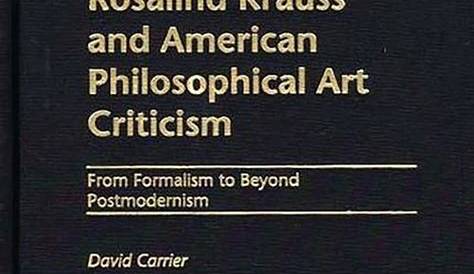
Rosalind E. Krauss is a crucial figure in contemporary art criticism, whose work has profoundly influenced the way we analyze and interpret art since the late 20th century. Her theories challenge traditional boundaries and encourage new conversations about media and interpretation. To fully grasp contemporary art criticism, understanding Krauss’s contributions is essential, as her ideas continue to resonate with current artistic practices.
Who is Rosalind E. Krauss?
Rosalind E. Krauss is a leading art critic, theorist, and co-founder of the influential journal "October." Born in 1941, she has significantly shaped contemporary art discourse since the 1970s. Krauss holds a Ph.D. from Harvard University and has taught at prestigious institutions like Columbia University and the Massachusetts Institute of Technology. Her work often examines the intersections of art, culture, and theory, highlighting the importance of context in understanding visual culture. Krauss's numerous publications have received considerable attention and respect, establishing her as a key figure in contemporary art criticism.
What are Krauss's major contributions to art theory?
Krauss introduced several key concepts that have transformed art criticism, most notably the 'post-medium condition.' This concept asserts that contemporary artists are no longer confined to traditional media, enabling them to explore diverse forms of expression. By suggesting that art can transcend media boundaries, Krauss paved the way for a more fluid understanding of creativity, where installation, performance, and digital art coexist. Additionally, she has critically examined the role of the viewer in interpreting art, emphasizing that meaning is constructed through engagement rather than being fixed. This perspective encourages critics and audiences to consider how context, culture, and individual experience shape our understanding of art. Krauss's theories continue to inspire discussions that influence contemporary art critique today.
How has Krauss influenced contemporary art practices?
Krauss's theories resonate in various contemporary art practices. Artists like Thomas Hirschhorn and Rirkrit Tiravanija exemplify her post-medium condition through installations and participatory works that defy traditional categorizations. Hirschhorn's use of everyday materials in his installations questions the value and status of art, while Tiravanija's relational aesthetics emphasize social interaction and experience over objecthood. Additionally, movements such as conceptual art and installation art reflect Krauss’s influence, as they prioritize ideas and context over conventional forms. The rise of digital art also aligns with her theories, as artists leverage technology to create immersive experiences that challenge viewers' perceptions. Krauss's contributions have significantly reshaped contemporary art, encouraging practices that embrace multiplicity and fluidity.
What critiques and challenges has Krauss faced?
Krauss's work has faced criticism from some who argue that her focus on the post-medium condition can dilute artistic intent, where the medium becomes secondary to concept. Others contend that her theories might overlook the materiality and craftsmanship inherent in certain art forms, potentially undermining the significance of traditional practices. These critiques have sparked discussions within art theory, prompting deeper investigations into the balance between concept and medium. Despite these challenges, Krauss's work continues to provoke thought and inspire debate, highlighting the dynamic nature of art criticism.
How can I apply her theories to my own analysis?
To incorporate Krauss's theories into your art critique, begin by considering the medium of the artwork. Reflect on how the artist navigates or challenges traditional media. For instance, when analyzing a video installation, think about how the artist uses the medium to convey meaning or engage the viewer. Next, explore the context of the work. Consider how cultural, historical, or social factors influence your interpretation. Ask yourself how the environment shapes the viewer's experience. Finally, adopt a flexible approach to meaning, recognizing that your interpretation may differ from others based on personal experience and background. By applying these principles, you'll deepen your analysis and contribute to the ongoing dialogue in art criticism.
Conclusion
To engage with Krauss's theories, start by reading key texts such as "The Originality of the Avant-Garde" and "A Voyage on the North Sea." Focus on her discussions of the post-medium condition and the role of context in art. As you delve into her theories, challenge yourself to apply them to both historical and contemporary works. This approach will foster a richer understanding of art that embraces complexity and encourages insightful discussions.
Frequently Asked Questions
What is the post-medium condition?
The post-medium condition is a concept introduced by Rosalind E. Krauss, suggesting that contemporary artists are no longer limited to traditional media. Instead, they can explore a variety of forms and practices, which allows for greater flexibility and innovation in artistic expression.
How did Rosalind E. Krauss influence the journal October?
Krauss co-founded October, which has been instrumental in shaping contemporary art criticism. The journal emphasizes critical theory and engages with a range of topics, pushing the boundaries of traditional art criticism and fostering new dialogues in the art world.
What are some key publications by Rosalind E. Krauss?
Some of Krauss's key publications include "The Originality of the Avant-Garde and Other Modernist Myths" and "A Voyage on the North Sea: Art in the Age of the Post-Medium Condition." These works explore her theories on art, media, and the role of context in interpretation.
How can Krauss's theories apply to digital art?
Krauss's theories, particularly the post-medium condition, are particularly relevant to digital art. Artists today often use digital technologies to create works that challenge traditional notions of medium and authorship, aligning with Krauss's ideas about fluidity and the multiplicity of artistic expression.
What criticisms has Krauss faced regarding her theories?
Krauss has faced criticism for possibly diluting the significance of traditional media and craftsmanship in her emphasis on concept over medium. Critics argue that this could lead to an undervaluation of the artistic process itself, prompting ongoing discussions in the field of art theory.