Understanding Nathan Alterman: His Impact on Poetry
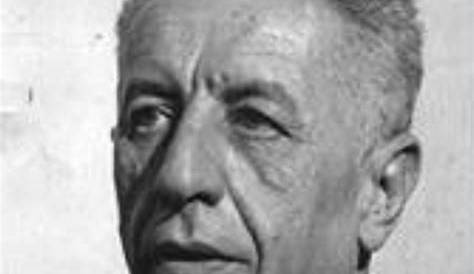
If you're researching influential Israeli poets, Nathan Alterman is a pivotal figure in Hebrew poetry. He is known for his unique blend of personal and national themes that reflect Israel's complex identity and influence the modern literary scene. Understanding Alterman's work is essential for grasping the nuances of Israeli culture and its poetic evolution.
Who was Nathan Alterman and why is he important?
Nathan Alterman was born in 1910 in Warsaw, Poland, and immigrated to what is now Israel in 1925. He became one of the most significant voices in Hebrew literature during the 20th century. Alterman is celebrated for his innovative use of language and his ability to weave personal experiences with broader national narratives. His poetry often spoke to the struggles and aspirations of the Jewish people, capturing the zeitgeist of a nation in formation. Unlike many poets of his time, Alterman embraced modernist techniques, enabling him to express complex emotions and ideas in fresh ways. His influence is evident in the works of many contemporary Israeli writers who draw on his themes and stylistic approaches.
What are the key themes in Alterman's poetry?
Alterman's poetry is rich with themes such as identity, love, nationalism, and the human condition. He often explored the tension between personal and collective experiences, reflecting the duality of being both an individual and part of a larger national story. For example, in his poem "The Dance of the Spirits," he captures the essence of longing and love against the backdrop of a turbulent national identity. His works also delve into the struggles of Israeli society, addressing issues like war, loss, and resilience. This ability to intertwine the personal with the political makes his poetry profoundly relatable, even decades after it was written. Alterman’s exploration of these themes laid the groundwork for future generations of poets to grapple with similar issues.
How did Alterman's work reflect the historical context of his time?
Alterman's poetry emerged during a period of significant upheaval in Israel, marked by the rise of Zionism, the establishment of the state, and the ongoing conflict in the region. His early works were influenced by the struggles of the Jewish community during the British Mandate, while later pieces responded to the realities of statehood and conflict. For instance, his poem "The Song of the Broken Glass" reflects the pain and loss experienced during wartime. By embedding these historical contexts into his poetry, Alterman documented the experiences of his generation and provided a voice to the collective emotions of a nation grappling with its identity. His engagement with the historical moment enriched his work and helped define the trajectory of Hebrew literature.
What is Alterman's legacy in modern Hebrew literature?
Nathan Alterman's impact on modern Hebrew literature is profound. His exploration of new poetic forms and themes paved the way for future generations of Israeli poets. Writers like Yehuda Amichai and Dalia Ravikovitch have acknowledged Alterman's influence in their own works, often drawing on his stylistic innovations and thematic depth. The emotional resonance of his poetry continues to inspire new interpretations and adaptations, ensuring that his voice remains relevant in contemporary discussions about identity and national consciousness. His legacy resides not only in his published works but also in how he challenged and expanded the boundaries of Hebrew poetry.
How can I explore Alterman's poetry further?
To explore Nathan Alterman's poetry, start with his notable collections, such as "The Selected Poems of Nathan Alterman" and "The Wind and the Sea." Many universities offer anthologies that include his work alongside critical essays. Additionally, valuable analyses can be found in literary journals or online databases that focus on Israeli literature. Engaging with both his poetry and the critiques surrounding it will provide a richer understanding of his contributions and themes.
Conclusion
Begin your exploration of Nathan Alterman by reading some of his most well-known poems to gain direct insight into his themes and style. Pay particular attention to how his work connects personal emotions to broader national narratives, as this connection is key to understanding his significance. Consider discussions of his influence in contemporary literature, which will highlight the ongoing relevance of his poetry in today's world.
Frequently Asked Questions
What are some of Nathan Alterman's most famous poems?
Some of Nathan Alterman's most famous poems include "The Dance of the Spirits," "The Song of the Broken Glass," and "The Wind and the Sea." Each of these works reflects his unique style and thematic focus, encompassing love, loss, and national identity.
Did Nathan Alterman write only poetry?
While Nathan Alterman is primarily known for his poetry, he also wrote plays, essays, and translations. His versatility as a writer allowed him to explore various forms of expression beyond poetry, significantly contributing to Hebrew literature.
What literary movements influenced Nathan Alterman's work?
Alterman's work was influenced by modernism and the Hebrew revival movement. He blended traditional poetic forms with modern themes and techniques, allowing him to address contemporary issues while maintaining a connection to Hebrew literary traditions.
Is Alterman still relevant in contemporary Israeli literature?
Yes, Nathan Alterman remains relevant in contemporary Israeli literature. His themes of identity, nationalism, and the human experience continue to resonate with modern writers and poets, influencing their work and encouraging new interpretations.
Where can I find translations of Alterman's poetry?
Translations of Nathan Alterman's poetry can be found in various anthologies of Israeli literature and specific collections of his work. Libraries or online literary databases often contain translated texts as well as critical essays discussing his impact.