Understanding the Nāgarī Script: A Clear Introduction
If you're studying South Asian languages, understanding the Nāgarī script is essential. This script serves as the foundation for many languages in the region, including Hindi and Sanskrit, and has significant historical importance. Grasping Nāgarī can enhance your linguistic skills and deepen your appreciation of the languages you'll encounter. The Nāgarī script is an abugida, where each character represents a consonant with an inherent vowel that can be modified or muted. Understanding its structure will help you read and write with greater confidence.
What is the Nāgarī script and why is it important?
The Nāgarī script has its roots in ancient India, emerging around the 5th century CE. It evolved from the Brahmi script, one of the oldest writing systems in South Asia. Nāgarī played a crucial role in developing various languages, especially during the rise of Sanskrit literature. It became a standardized script for writing Sanskrit texts, facilitating the preservation and dissemination of religious and philosophical works. Nāgarī is not merely a means of communication; it embodies a cultural and historical legacy that has influenced many South Asian languages. Its relevance continues today, as it is still used for Hindi, Marathi, and others, bridging ancient traditions with contemporary usage.
How do I recognize and read Nāgarī characters?
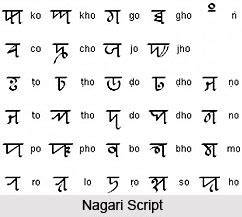
To recognize and read Nāgarī characters, you need to understand its basic structure. The script consists of 14 vowels and 33 consonants, along with various diacritics that modify the inherent vowel sound. For instance, the consonant 'क' (ka) has an inherent 'a' sound, while 'कि' (ki) uses a diacritic to change it. Start by familiarizing yourself with simple characters, such as 'म' (ma) and 'त' (ta). When combined, they can create words like 'मत' (mat), meaning 'opinion.' A common challenge is differentiating similar characters, so practice is crucial. Repeatedly writing the characters can help solidify your recognition and recall. Additionally, learning the sound values associated with each character will enhance your reading skills.
What languages utilize the Nāgarī script today?
Today, the Nāgarī script is primarily associated with languages like Hindi, Sanskrit, and Marathi. Hindi, the most widely spoken language in India, uses a form of Nāgarī that has adapted to modern needs, incorporating additional characters to accommodate sounds specific to Hindi. Sanskrit, still used in religious contexts and academia, employs a more classical form of Nāgarī, reflecting its ancient linguistic roots. Marathi also uses Nāgarī but has its own variations, particularly in pronunciation and unique characters. Understanding these differences will help you engage more effectively with these languages.
What are the challenges in learning Nāgarī script?
Learning the Nāgarī script can present several challenges. One common issue is mastering the numerous diacritics and their effects on pronunciation. For example, a single character can have different meanings based on the diacritic used. Additionally, students often struggle to differentiate between similar-looking characters, such as 'स' (sa) and 'ष' (sha). To overcome these challenges, consistent practice is key. Reading simple texts aloud can reinforce your learning. Engaging with native speakers or using language apps can also provide practical experience, helping you gain confidence.
Where can I find resources to practice Nāgarī script?
Several resources are available to help you practice Nāgarī script effectively. Online platforms like Duolingo and Memrise offer courses tailored to learning Hindi and other languages that use Nāgarī. Websites such as Omniglot provide detailed explanations of the script and its usage. Books like "Teach Yourself Hindi" often include sections on writing in Nāgarī, along with exercises. YouTube features numerous channels dedicated to teaching the script, complete with pronunciation guides. Combining these resources will give you a comprehensive approach to mastering Nāgarī.
Conclusion
To begin learning the Nāgarī script, focus on the basic characters and practice writing them regularly. Don't worry about mastering everything at once; instead, aim to recognize and read simple words first. Engage with interactive resources, and consider conversational practice to enhance your skills. A good goal is to be able to read and write common words comfortably, significantly boosting your confidence in studying South Asian languages.
Frequently Asked Questions
What is the difference between Nāgarī and Devanagari?
Nāgarī is often used interchangeably with Devanagari, as Devanagari is a specific script that evolved from Nāgarī. While both serve similar functions, Devanagari is the more widely recognized term today, especially in reference to Hindi and other languages.
Can I learn Nāgarī script without a teacher?
Yes, you can learn Nāgarī script independently using online resources, language apps, and textbooks. Many learners find success with self-study, especially when practicing reading and writing regularly.
How long does it take to learn Nāgarī script?
The time it takes to learn Nāgarī script varies by individual, but with consistent practice, you might be able to read basic texts within a few weeks. Mastery, including fluency in writing, will take longer.
Is Nāgarī script difficult to learn?
Many learners find the Nāgarī script challenging due to its unique characters and diacritics. However, with regular practice and exposure, it becomes much easier over time.
Are there any apps specifically for learning Nāgarī script?
Yes, apps like Duolingo and Drops include sections for learning Nāgarī script as part of their language courses. These interactive tools can make the learning process engaging and effective.