Understanding the MFi Program for Your Apple Accessory Business
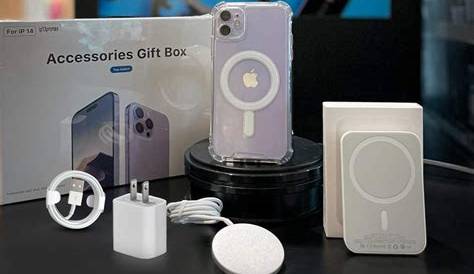
If you're developing accessories for Apple devices, understanding the MFi Program is crucial. The MFi Program, which stands for "Made for iPhone/iPad/iPod," is Apple's licensing initiative for hardware and software developers. It ensures that accessories meet Apple's performance standards, enhancing compatibility and reliability. By becoming MFi certified, you gain access to Apple's specifications, resources, and the ability to bolster your product's credibility in a competitive market. This certification can significantly influence consumers seeking quality accessories that work effectively with their Apple devices.
What is the MFi Program and why should I care?
The MFi Program is essential for accessory developers looking to create products that are compatible with Apple devices. Joining the program can open doors to collaborations with Apple, increase your visibility in the Apple ecosystem, and help your accessories stand out in a crowded market filled with generic options. MFi certification not only validates your product's quality but also enhances consumer trust.
How do I get my product certified?
To get your product certified, begin by developing it according to Apple's guidelines, which include specific design and performance specifications. After development, submit your product for testing at Apple's designated labs. The testing process can take several weeks and varies based on your product's complexity and the current testing backlog. Once your product passes testing, you will receive MFi certification. Be prepared for the entire process to take anywhere from a few months to over a year, depending on your readiness and the specifics of your product.

What are the costs associated with MFi certification?
Planning for costs is critical early in the process. Many developers underestimate the financial commitment required for MFi certification. In addition to initial costs, consider potential ongoing fees associated with maintaining your certification after approval. These costs can add up, so it's important to budget accordingly.
Common pitfalls in the MFi certification process
Some developers rush through prototyping, leading to products that fail to meet standards. It's vital to take your time during development and testing to avoid costly revisions. Engaging with Apple early can help clarify uncertainties and guide you toward successful certification. Proper preparation and adherence to guidelines will greatly improve your chances of success.
What happens after certification is achieved?
After achieving certification, leverage the resources available to MFi partners, which include access to Apple's marketing channels and potential collaboration opportunities. Position your product effectively in the market by highlighting the benefits of MFi certification. This can differentiate you from competitors and help establish a strong market presence.
Conclusion
Start by applying for the MFi Program as soon as you have a concept for your accessory. Focus on understanding the technical requirements and align your development process with Apple's standards. Avoid rushing through certification; thorough preparation leads to better outcomes. Successfully obtaining certification means your product has Apple's endorsement and a better chance of succeeding in a crowded marketplace.
Frequently Asked Questions
What types of products can be certified under the MFi Program?
The MFi Program covers a wide range of accessories, including cables, chargers, docks, audio devices, and game controllers. If your product is designed to work with iPhones, iPads, or iPods, it generally falls under this program.
How long does the MFi certification process take?
The MFi certification process can take anywhere from a few months to over a year, depending on your product's complexity and how well you follow the guidelines. Adequate preparation can significantly streamline the process.
Are there any annual fees for maintaining MFi certification?
Yes, after achieving MFi certification, there may be ongoing fees associated with maintaining your certification. These fees can vary based on your use of Apple's resources and your product line's continuation.
Can I apply for MFi certification if I'm a startup?
Absolutely, startups can apply for MFi certification. However, it’s essential to ensure you have the resources and understanding of the requirements to navigate the certification process effectively.
What happens if my product fails certification?
If your product fails certification, you'll receive feedback outlining the issues that need to be addressed. You'll have the opportunity to make necessary changes and resubmit your product for testing.