Understanding the Matak People and Their Cultural Heritage
The Matak people are an indigenous group from the Philippines, primarily located in the mountainous regions of Mindanao. Their history, cultural practices, and current challenges are essential for understanding their unique identity. This article explores the origins of the Matak people, their key cultural traditions, and the difficulties they face today.
Who are the Matak people and where do they live?
The Matak people are considered part of the larger Lumad group in the Philippines, with origins traced back to the early inhabitants of Mindanao. They primarily reside in the provinces of Davao del Sur and South Cotabato. While the exact population size of the Matak is not extensively documented, they coexist with other Lumad groups and share similar socio-economic challenges. Their mountainous environment has shaped their lifestyle and cultural expressions, influencing their subsistence practices.
What are the main cultural practices of the Matak?
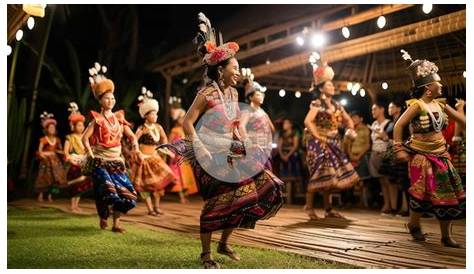
Matak culture is rich and diverse, characterized by unique traditions that reflect their identity. Music and dance are integral to their social gatherings, often celebrated during significant events like weddings and harvests. Traditional instruments, notably the kulintang (a type of gong), play a key role in their musical expressions. The Matak also participate in various rituals that demonstrate their deep connection to nature and their ancestors, such as performing ceremonies to honor land spirits before planting or harvesting. Additionally, their artistry extends to weaving and crafts, showcasing their skills in creating textiles and tools that are essential to their way of life.
What challenges are the Matak people currently facing?
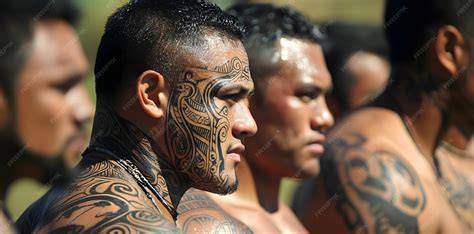
Today, the Matak community faces numerous challenges that jeopardize their cultural preservation and livelihoods. Economic pressures, including land encroachment by agricultural corporations and illegal logging, significantly affect their traditional way of life. Many Matak have been displaced from their ancestral lands, leading to a loss of cultural identity. Furthermore, the younger generation is increasingly drawn to urban migration, which threatens to dilute their cultural practices and language. While efforts to maintain their heritage continue, there is an urgent need for support and recognition.
How does the Matak culture compare to other indigenous cultures in the region?
The Matak share similarities with other indigenous groups in Mindanao, such as the Manobo and T'boli, particularly in their connection to the land and communal practices. However, each group possesses distinct languages, rituals, and artistic expressions that differentiate them. Like many indigenous communities, the Matak encounter common challenges, including land rights issues and the impacts of modernization. Cultural exchanges among these groups occur during festivals and community events, fostering learning and reinforcing their unique identities.
What can be done to support the Matak community today?
Supporting the Matak community requires both awareness and action. Begin by educating yourself and others about their culture and the challenges they face. Advocacy for their land rights and promoting their cultural heritage through local events can make a difference. Numerous organizations focused on indigenous rights and cultural preservation seek donations or volunteers. By amplifying the Matak's voices in discussions about development and environmental protection, individuals and groups can help safeguard their future.
Conclusion
To positively impact the Matak community, start by learning about their culture and the challenges they encounter. Support initiatives that advocate for their rights and promote their heritage. By engaging with their struggles, you can contribute to the empowerment and preservation of their rich cultural identity.
Frequently Asked Questions
What language do the Matak people speak?
The Matak people primarily speak their own dialect, which belongs to the larger Austronesian language family. This dialect often includes phrases from Filipino and other regional languages due to social interactions.
What is the significance of music in Matak culture?
Music is essential in Matak culture, serving as a means of storytelling and expression during ceremonies and celebrations. It connects the community to their traditions and ancestors, often reflecting their relationship with nature.
Are there any organizations that support the Matak people?
Yes, several non-governmental organizations focus on indigenous rights and cultural preservation in the Philippines. These groups work to empower the Matak community by advocating for their land rights and promoting their cultural heritage.
How can I visit the Matak community?
Visiting the Matak community requires careful planning and respect for their customs. It's advisable to connect with local organizations that facilitate cultural exchanges, ensuring that visits are respectful and beneficial to the community.
What are some traditional foods of the Matak people?
Matak cuisine typically includes rice, root crops, and locally sourced vegetables and meats. Traditional cooking methods, such as steaming and grilling, are commonly employed, with meals often shared communally.