Understanding Lulzim Basha: His Impact and Vision for Albania
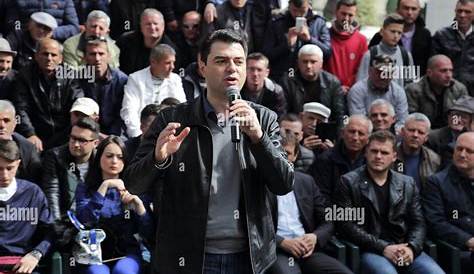
Lulzim Basha plays a significant role in Albanian politics, particularly as a leader of the Democratic Party. His career spans over a decade, with key positions such as mayor of Tirana and Minister of Transport. Basha's influence is evident in his vision for reform and his navigation through political challenges, although his journey has also been marred by controversies that impact public perception.
Who is Lulzim Basha and why is he important?
Lulzim Basha was born on September 12, 1974, in Tirana and gained prominence in Albanian politics as a member of the Democratic Party. He studied law at the University of Tirana and later earned a master's degree in public administration from the Harvard Kennedy School. Basha's political career began earnestly as the Minister of Transport and Telecommunications from 2005 to 2007, where he undertook significant infrastructure projects aimed at modernizing Albania’s transport system. His election as mayor of Tirana in 2011 marked a crucial milestone, focusing on urban development and public services. Basha's leadership in the Democratic Party, a central force in Albania's post-communist era, underscores his importance in shaping the country's political future.
What are the key moments in Basha's political career?
Basha's political journey features several pivotal moments. His tenure as Minister of Transport allowed him to initiate projects that significantly improved road infrastructure and public transport. As mayor of Tirana, he implemented urban renewal initiatives, including revitalizing the city center and enhancing waste management. A defining moment came in 2013 when he lost the parliamentary elections to the Socialist Party, prompting a reevaluation within the Democratic Party. In 2017, he was re-elected as party leader, facing the challenge of uniting a divided party. His leadership was again tested in the 2021 elections, where the Democratic Party faced criticism for its strategies and overall performance. These experiences have shaped Basha's leadership approach and commitment to reform.
What controversies has Basha faced?
Basha’s political career has encountered several controversies. He faced criticism for his management of election disputes, particularly after the 2017 elections when the Democratic Party alleged widespread electoral fraud. This situation led to protests and significant political unrest, raising questions about the integrity of Albania's electoral process. Moreover, his leadership style has been under scrutiny, especially regarding party dynamics and his ability to secure support from different factions within the Democratic Party. The 2021 elections intensified scrutiny of his leadership, with internal dissent surrounding his strategies and decisions, leading to broader discussions about the party's future direction under his guidance. These challenges highlight the difficulties Basha faces in maintaining his influence in Albanian politics.
What policies has Basha promoted?
Throughout his political career, Basha has advocated for several key policies aimed at fostering economic growth and improving governance in Albania. His focus on economic reform includes proposals for tax incentives designed to attract foreign investment and stimulate local businesses. He emphasizes the enhancement of public services, particularly in healthcare and education, to improve quality and accessibility. Basha has also prioritized anti-corruption measures, arguing that a transparent government is vital for building public trust and attracting international partnerships. His advocacy for EU integration has been a cornerstone of his political platform, pushing for reforms that align Albania with European standards. While these policies resonate with many, critics question the execution and feasibility of these initiatives given Albania's complex political landscape.
What does the future hold for Lulzim Basha?
Looking ahead, Basha's political future depends on his ability to adapt to the changing landscape of Albanian politics. His recent challenges within the Democratic Party could serve as either a catalyst for reform or contribute to further divisions. If he can unify the party and effectively address the criticisms of his leadership, he may strengthen his position as a viable candidate in future elections. Speculation about his potential candidacy in upcoming parliamentary elections remains, as the political dynamics in Albania continue to evolve. Basha's vision for Albania's EU integration and economic reforms will likely remain central to his agenda, with the implications of his leadership on the country's political stability and democratic development being closely observed by both supporters and critics.
Conclusion
To understand Lulzim Basha's role in Albania, examine his career milestones and the specific policies he advocates. Additionally, consider the controversies he faces, as they provide valuable insight into his leadership challenges and the current political climate. This analysis will clarify how Basha's actions may influence Albania's future, especially regarding governance and EU integration.
Frequently Asked Questions
What positions has Lulzim Basha held in the Albanian government?
Lulzim Basha has held several key positions, including Minister of Transport and Telecommunications, and Mayor of Tirana. He is also the leader of the Democratic Party, which plays a significant role in shaping Albania's political landscape.
What are some of the key policies Basha supports?
Basha supports economic reforms aimed at attracting foreign investment, improving public services, and implementing anti-corruption measures. He is also a strong advocate for Albania's integration into the European Union.
What controversies has Basha been involved in?
Basha has been involved in controversies related to election disputes and his leadership within the Democratic Party. These issues have sparked protests and raised questions about the integrity of the electoral process in Albania.
What is Basha's vision for Albania's future?
Basha envisions a future where Albania is integrated into the European Union, supported by robust economic reforms and effective governance. He aims to build public trust through transparency and anti-corruption initiatives.
How has Basha's leadership been perceived?
Basha's leadership has elicited mixed reactions. While some support his vision and policies, others criticize his management of internal party dynamics and electoral strategies, particularly following recent electoral defeats.