Understanding Kinetic Art: How Movement Shapes Creativity
Kinetic art is a visual art form that integrates movement as a core element, whether through mechanical means or viewer interaction. By engaging with kinetic art, you experience a blend of visual stimulation and active participation, transforming your perception of creativity. This art form emerged in the early 20th century, marking a significant shift towards incorporating motion into artistic expression.
What exactly is kinetic art?
Kinetic art is characterized by its incorporation of movement, either through mechanical systems or viewer interaction. This art form includes sculptures that move or change shape, installations responsive to their environment, and digital artworks that shift based on user input. The origins of kinetic art can be traced back to the early 20th century, when artists began exploring various forms of motion as a reaction against traditional static art. The movement gained momentum with technological advancements, allowing artists to integrate motors, lights, and other mechanical elements into their creations. This incorporation of motion not only enhances the visual experience but also encourages viewers to engage actively with the art, transforming them from passive observers into participants.
Who are the pioneers of kinetic art?
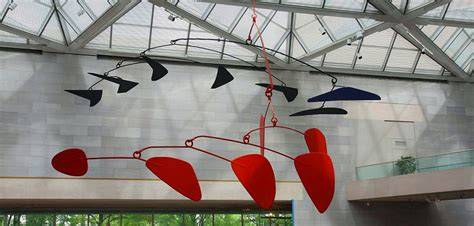
Key figures in kinetic art have significantly influenced its development and recognition. Alexander Calder is one of the most celebrated artists, famous for his mobiles—delicate sculptures that move gently with air currents. His work embodies balance and harmony, creating a captivating experience as the pieces shift and interact with their surroundings. Another influential artist is Jean Tinguely, whose mechanical sculptures often featured whimsical and chaotic movements, emphasizing the relationship between art and machinery. Tinguely's works, such as "Homage to New York," were designed to be performative and highlight their eventual destruction, challenging traditional notions of permanence in art. Both Calder and Tinguely laid the foundation for a new understanding of art as a living, evolving entity, inspiring many contemporary artists to explore movement in diverse forms.
What techniques make kinetic art unique?
Kinetic art is distinguished by techniques that facilitate movement. Motorization is a prevalent method, where electric or mechanical systems create movement in sculptures, ranging from simple rotating platforms to complex mechanisms that produce choreographed motions. Another defining feature is viewer interaction; some kinetic artworks invite the audience to engage physically, such as pushing a lever or moving around the installation, which influences how the piece is experienced. This interactivity fosters a personal connection, making each viewer's experience distinct. However, not all kinetic art relies on advanced machinery. Some pieces utilize natural elements like wind or gravity to create movement, highlighting the connection between the artwork and its environment.
How can I create my own kinetic art?
Creating your own kinetic art can be both enjoyable and fulfilling. Start with a basic concept that excites you, such as a mobile, a small sculpture, or an interactive piece. For materials, consider lightweight options like wood, metal, or plastic, which are easy to move or manipulate. You may need simple tools like glue, scissors, and potentially a small motor if you wish to incorporate mechanical movement. Begin with a straightforward design; for instance, you could create a mobile by suspending shapes from a central point, allowing them to sway with air currents. Experiment with balance and weight distribution to understand how it affects movement. As you gain confidence, you can explore more complex mechanisms, including motors or sensors. The key is to enjoy the process and let your creativity guide you as you integrate movement into your art.
Where can I see kinetic art in person?
If you're eager to experience kinetic art firsthand, several museums and galleries are known for showcasing this dynamic art form. The Solomon R. Guggenheim Museum in New York features a rich collection of works by Alexander Calder and other kinetic artists. The Centre Pompidou in Paris showcases various installations that emphasize movement and viewer interaction. Additionally, the Tate Modern in London frequently exhibits works by contemporary kinetic artists, providing insights into how movement continues to influence artistic expression. Local galleries also increasingly include kinetic works in their exhibitions, offering opportunities to engage with this captivating art form.
Conclusion
To begin your exploration of kinetic art, visit a local gallery or museum showcasing this genre. Observe how movement alters your perception and emotional response to the artwork. If you feel inspired, try creating your own piece—start simple and let your curiosity guide your design. With practice, you'll discover the joy of merging art and movement, crafting experiences that resonate with you and your audience.
Frequently Asked Questions
What is the main purpose of kinetic art?
The main purpose of kinetic art is to engage viewers through movement, offering a more dynamic experience than traditional static art forms. It invites interaction and can evoke emotions or thoughts based on how the art moves or changes.
Are all kinetic artworks mechanical?
Not all kinetic artworks are mechanical. While many use motors or machinery for movement, some rely on natural forces like wind or gravity, making them less about technology and more about their interaction with the environment.
Can anyone create kinetic art?
Yes, anyone can create kinetic art! With a bit of creativity and basic materials, you can experiment with movement in your projects, whether through simple mobiles or more complex interactive pieces.
Where did kinetic art originate?
Kinetic art originated in the early 20th century, emerging from movements like Futurism and Dadaism, which challenged traditional art forms and embraced technology and motion.
Is kinetic art only found in galleries?
Kinetic art can be found in various settings, including public installations, parks, and private collections. Many artists create outdoor pieces that interact with nature, making kinetic art accessible beyond galleries.