Understanding Jain Rituals and Their Significance

If you're exploring Jainism, you'll find that rituals play a vital role in this spiritual tradition. They are not merely ceremonial acts; they embody the core principles of Jain philosophy and lifestyle. Jain rituals serve to connect the spiritual with the everyday, emphasizing values such as non-violence and self-discipline. This article will guide you through the significance of these practices, their meanings, and how they can be incorporated into daily life.
What are the key practices in Jain rituals?
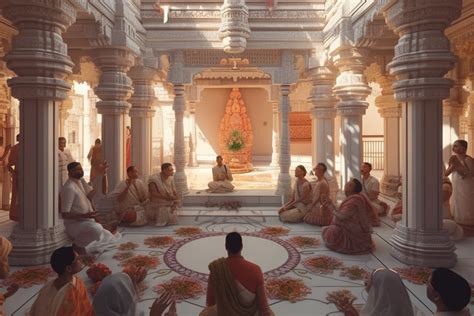
Jain rituals encompass a variety of practices that hold great significance in personal and communal contexts. Two of the most important rituals are Paryushana and Diwali. Paryushana, observed mainly in late summer, is a time for fasting, reflection, and spiritual cleansing. During this period, Jains engage in prayer, read sacred texts, and seek forgiveness from others, symbolizing humility and the quest for self-improvement. Diwali, celebrated as the festival of lights, marks the attainment of moksha by Lord Mahavira, the last Tirthankara. It's a time of celebration when families come together to light lamps, share meals, and perform prayers. These rituals commemorate significant events while also offering opportunities for introspection and community bonding. Additionally, daily practices such as prayers, meditation, and simple offerings at home reinforce these values and enhance spiritual awareness.
Why do Jains perform these rituals?
The rituals in Jainism are rooted in fundamental philosophical principles, particularly ahimsa, or non-violence, and the concept of karma. Each action is believed to have consequences; thus, rituals help practitioners cultivate awareness of their actions and intentions. For example, during Paryushana, fasting and self-restraint deepen one's spiritual connection while promoting compassion for all living beings. By participating in these rituals, Jains aim to purify their souls and mitigate negative karma, thus advancing on their spiritual journey. Furthermore, these practices strengthen community ties and encourage collective spiritual growth through shared experiences.
How do rituals vary between different Jain sects?
Jainism is primarily divided into two sects: Digambara and Svetambara, and their rituals can differ significantly. For instance, Digambaras believe that women must be reborn as men to attain liberation, which is reflected in their practices and community structure. They typically do not celebrate certain festivals in the same manner as Svetambaras, who view women as equally capable of attaining moksha. A notable difference is in the celebration of Paryushana; while both sects recognize it, the associated prayers and customs may vary. Understanding these distinctions provides insight into the rich diversity within Jain practices and beliefs.
What can I expect when attending a Jain ritual?
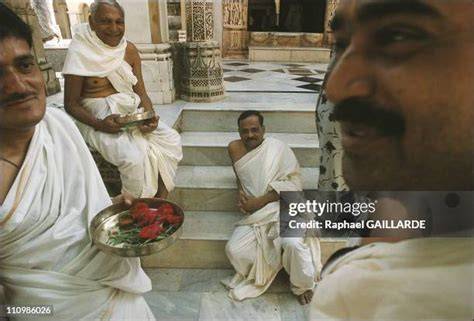
When you attend a Jain ritual, you’ll find a serene atmosphere centered on spirituality and community. Participants usually dress modestly, often in white or simple attire, reflecting purity. Customs may vary by occasion, but typically include prayers, the recitation of mantras, and offerings to the Tirthankaras. Silence is observed during prayers, showing respect for the sacred space. You'll likely experience communal meals, known as 'langar,' which promote equality and sharing. Familiarizing yourself with these customs can enhance your experience and understanding of the ritual's significance.
How can I incorporate Jain principles into my daily life?
Incorporating Jain principles into your daily life can be a meaningful journey. Start by practicing ahimsa, being mindful of your actions and their impact on others, which includes kindness in your words and deeds. You might also adopt vegetarianism or veganism to align your diet with non-violence. Simple daily rituals, such as dedicating time for meditation or prayer, can help you reflect on your values. Engaging in community service or acts of kindness further strengthens your commitment to Jain philosophy. These practices can enrich your spiritual life while fostering a sense of community and compassion.
Conclusion
To engage with Jain rituals, consider attending a local Jain temple or participating in a community event. Focus on understanding the principles behind the rituals rather than trying to adopt everything at once. Embracing even a few key practices can deepen your appreciation for Jainism and enhance your spiritual journey. Look for ways to incorporate these values into your daily life, and you may discover personal growth and a greater sense of community.
Frequently Asked Questions
What is the significance of Paryushana in Jainism?
Paryushana is one of the most important annual events in Jainism, focusing on fasting, forgiveness, and self-reflection. It is a time for Jains to seek forgiveness from others and engage in spiritual activities to purify their souls.
Are Jain rituals only performed in temples?
While many Jain rituals take place in temples, they are also commonly practiced at home. Families often perform prayers, celebrate festivals, and engage in rituals to nurture spirituality and community within their households.
How do Jains celebrate Diwali?
Jains celebrate Diwali to commemorate the liberation of Lord Mahavira. The festivities include lighting lamps, performing prayers, and sharing meals with family and friends, emphasizing joy and spiritual renewal.
What should I wear to a Jain ritual?
When attending a Jain ritual, it's respectful to dress modestly. Simple, clean clothing in neutral or white colors is often preferred, reflecting the values of purity and humility.
Can I participate in Jain rituals if I'm not Jain?
Yes, many Jains welcome non-Jains to participate in their rituals and celebrations. It's a wonderful opportunity to learn about Jain culture, but be sure to follow the customs and show respect during the proceedings.