Understanding J. R. Jayewardene's Impact on Sri Lanka
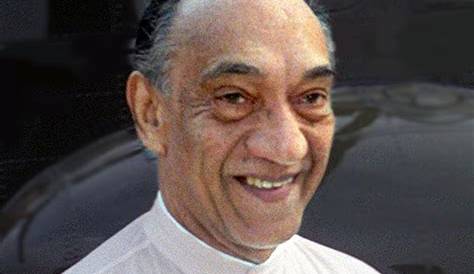
J. R. Jayewardene was a crucial figure in Sri Lankan political history, serving as the country's President from 1978 to 1988. His presidency is marked by significant economic reforms and a controversial approach to the civil conflict. These actions not only transformed Sri Lanka's political landscape but also set the stage for ongoing debates about his legacy.
Who was J. R. Jayewardene?
J. R. Jayewardene, commonly known as J.R., was born on September 17, 1906, in Colombo, Sri Lanka. Coming from a prominent family, he was educated at Royal College and later at the University of London. After returning to Sri Lanka, he began his political career in the 1930s by joining the United National Party (UNP), advocating for independence from British colonial rule. He rose through the political ranks and served as the Minister of Finance in the 1960s. His election as Prime Minister in 1977 marked a significant shift in Sri Lanka’s political landscape, and he became the first Executive President in 1978, allowing him to implement sweeping changes across the country. His leadership style was characterized by a strong centralization of power, which facilitated his policy implementation and governance approaches.
What were his major policies and reforms?
During his presidency, Jayewardene introduced several key policies and reforms that transformed Sri Lanka's economic and political framework. One of his most notable achievements was the introduction of economic liberalization in 1977, transitioning from a state-controlled economy to a more market-oriented approach. This shift encouraged private sector investment and foreign direct investment, aiming to stimulate economic growth and reduce poverty. The establishment of industries and export processing zones followed as a result. He also enacted constitutional changes that consolidated executive power, notably through the 1978 constitution, which transformed the parliamentary system into an executive presidency. This move was controversial, enabling greater control over the government and diminishing legislative power. Critics argue that these reforms exacerbated ethnic tensions and contributed to the ongoing civil conflict.
How did he handle the civil conflict in Sri Lanka?
Jayewardene's presidency coincided with the escalation of the Sri Lankan civil conflict, primarily between the Sinhalese majority and the Tamil minority. His administration initially took a hardline stance against the growing insurgency led by the Liberation Tigers of Tamil Eelam (LTTE). In 1983, following violent anti-Tamil riots known as Black July, Jayewardene declared an all-out military campaign against the LTTE. This military response resulted in severe human rights violations and further alienated the Tamil population. He sought India's assistance in addressing the conflict, leading to the Indo-Sri Lankan Accord of 1987, which aimed to find a political solution by granting autonomy to Tamil areas. However, this accord faced significant backlash and was not fully implemented, highlighting the complexities of addressing ethnic tensions during his tenure.
What was his leadership style?
Jayewardene's leadership style was characterized by charisma, decisiveness, and a tendency toward authoritarianism. He was adept at connecting with the public, often using his oratory skills to garner support for his policies. His governance prioritized efficiency and direct control, allowing for rapid implementation of reforms. However, this centralization of power raised concerns regarding democratic accountability. Critics noted that his approach marginalized political opposition and stifled dissent. While his policies secured economic growth, his tenure was also marked by increased polarization and unrest, particularly among ethnic communities. His leadership significantly influenced Sri Lankan politics, shaping the political culture for subsequent leaders.
What is his legacy today?
Today, J. R. Jayewardene’s legacy is viewed through a complex lens. Supporters recognize him for modernizing Sri Lanka’s economy and laying the groundwork for future growth. Conversely, his controversial handling of the civil conflict and centralization of power have drawn significant criticism. Many scholars and political analysts argue that his policies contributed to long-standing ethnic divisions that continue to affect Sri Lanka. Public opinion remains divided; some regard him as a visionary leader who transformed the nation, while others see him as a figure who exacerbated ethnic tensions and undermined democratic principles. The debates surrounding his legacy illustrate the challenges of reconciling economic progress with social harmony in Sri Lanka's multifaceted political landscape.
Conclusion
To understand J. R. Jayewardene's role in Sri Lanka's political history, examine his economic policies and their societal impacts. Consider how his approach to the civil conflict has shaped the current political climate. While his contributions to economic reform are significant, it's equally important to recognize the complexities and controversies surrounding his leadership. A thorough analysis will yield a nuanced understanding of how his actions continue to influence Sri Lanka today.
Frequently Asked Questions
What were J. R. Jayewardene's main achievements?
Jayewardene's main achievements include introducing economic liberalization in Sri Lanka, shifting the country to a market-oriented economy, and implementing constitutional changes that established the executive presidency. These reforms aimed to stimulate growth and modernize governance.
How did Jayewardene's policies affect ethnic relations in Sri Lanka?
His policies, particularly those that centralized power and emphasized the Sinhalese identity, are often cited as exacerbating ethnic tensions, particularly between the Sinhalese and Tamil communities. Critics argue that his approach contributed to the escalation of the civil conflict.
What was the Indo-Sri Lankan Accord?
The Indo-Sri Lankan Accord was a peace agreement signed in 1987 between India and Sri Lanka, aimed at resolving the civil conflict by granting autonomy to Tamil areas. It was a controversial move during Jayewardene's presidency that faced significant opposition and was not fully implemented.
How is Jayewardene viewed in contemporary Sri Lanka?
In contemporary Sri Lanka, views on Jayewardene are mixed. Some regard him as a transformative leader who modernized the economy, while others criticize his authoritarian tendencies and the ongoing ethnic divisions stemming from his policies.
Did Jayewardene face opposition during his presidency?
Yes, Jayewardene faced opposition from various political groups and ethnic communities, particularly as his policies led to increased tensions during the civil conflict. His hardline approach and centralization of power often drew criticism from political opponents.