Understanding Intercity Buses in the U.S. for Your Trip
If you're planning a budget-friendly trip across multiple cities in the U.S., intercity buses offer an affordable transportation option. These buses connect various cities at a fraction of the cost of trains or flights, making them an ideal choice for travelers. In this article, you'll learn how intercity buses operate, the major companies providing these services, tips for booking tickets, and what amenities you can expect during your journey.
What are intercity buses and how do they operate?
Intercity buses are public transportation services designed to connect different cities, making them an economical choice for travelers. They typically operate on established routes with set departure and arrival times, allowing for effective trip planning. Intercity buses serve an essential role in transportation, especially for those without access to a car or who prefer not to fly.
You can find these buses in most major cities across the U.S., often departing from central bus stations. They link urban centers and smaller towns, enhancing mobility for many. For example, a bus may travel from New York City to Washington D.C., stopping in cities like Philadelphia and Baltimore along the way.
While intercity buses are generally reliable, schedules can sometimes be impacted by traffic or weather conditions. It's wise to check for real-time updates before your trip, and be prepared for potential delays.
Which are the main intercity bus companies in the U.S.?
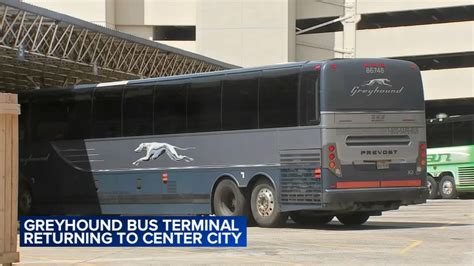
Several major intercity bus companies dominate the U.S. market, each offering unique services and routes. Greyhound, the oldest and one of the largest, boasts an extensive network covering most states. They provide various options, from standard to express services, catering to different budgets and travel preferences.
Megabus is another popular choice, known for low fares and comfortable double-decker buses. They primarily operate in the northeast and midwest, connecting major cities like Chicago, New York, and Washington D.C. Megabus often features promotional fares as low as $1 for early bookings.
FlixBus has gained popularity, particularly among younger travelers, thanks to its modern buses equipped with amenities like free Wi-Fi and power outlets. They focus on the west and east coasts, offering competitive prices and flexible scheduling.
Each company has its strengths and weaknesses; for instance, while Greyhound has extensive coverage, Megabus may provide more competitive pricing on certain routes.
How do I book intercity bus tickets effectively?
Booking intercity bus tickets can be straightforward if you know where to look. Start by visiting the websites of major bus companies or using travel comparison sites that aggregate options across different providers. This allows you to compare prices and schedules easily.
Monitor fare fluctuations, as prices can vary significantly based on the time of year, day of the week, and how far in advance you book. Generally, booking a few weeks ahead can save you money, while last-minute bookings tend to be pricier.
Sign up for newsletters or follow bus companies on social media, since they often share special promotions or discount codes. Being flexible with your travel dates can also lead to better prices; traveling during off-peak times, such as midweek, may help you find lower fares.
What amenities can I expect on intercity buses?
Amenities on intercity buses vary by company and service. Most buses offer basic comforts like climate control and comfortable seating. Many newer buses, especially from companies like FlixBus and Megabus, provide free Wi-Fi, power outlets, and restrooms.
While some services may offer refreshments or snacks, this isn't guaranteed, so it's advisable to pack your own food and drinks for longer journeys. Additionally, many buses make scheduled stops, allowing passengers to stretch their legs or grab a meal, though the length of these stops can differ, so check your itinerary.
While amenities enhance your travel experience, they may not be consistent across all routes. If you have specific needs, such as extra legroom or accessibility options, verify these details before booking.
What should I know before my intercity bus trip?
Before your intercity bus trip, keep a few key considerations in mind. Arrive at the bus station early—at least 30 minutes before departure is a good rule of thumb. This allows ample time to check in and locate your bus without rushing.
Packing wisely can improve your journey. Bring a small bag with essentials like snacks, a water bottle, a book, or entertainment like a tablet. Dress comfortably for the trip and consider layers in case the bus temperature changes.
Safety is important; keep your belongings close and be aware of your surroundings. While most trips are safe, it's always best to stay vigilant. If traveling during busy periods, like holidays, prepare for potential delays and plan accordingly.
Conclusion
Start your journey by researching the various intercity bus companies and their routes, focusing on those that best fit your travel plans. Compare prices and book in advance for the best deals. Ultimately, a successful trip means arriving at your destination comfortably and affordably, ready to explore the next city on your itinerary.
Frequently Asked Questions
How much do intercity bus tickets typically cost?
Prices for intercity bus tickets can vary widely based on the route, time of booking, and the bus company. Generally, you can expect to pay anywhere from $10 to $50 for a one-way ticket, with promotional fares sometimes available for as low as $1.
Are intercity buses safe?
Intercity buses are generally considered safe for travel. Bus companies must adhere to federal safety regulations, and incidents are rare. However, as with any form of transportation, it's wise to remain aware of your surroundings and keep your belongings secure.
Can I bring luggage on an intercity bus?
Yes, most intercity bus companies allow at least one carry-on bag and a checked suitcase. Be sure to check the specific luggage policies of the company you're traveling with, as sizes and weight limits can differ.
What happens if my intercity bus is late?
If your intercity bus is late, the company typically provides updates through their website or app. Most companies will accommodate you on the next available bus if there's a significant delay, but check their policy for specifics.
Do intercity buses have restrooms?
Most intercity buses are equipped with restrooms. However, availability can vary by company and route, so check before your trip, especially for longer journeys.