Understanding Indra Jatra: The Heart of Kathmandu's Festival
If you're planning to experience Indra Jatra in Kathmandu, you'll find that this festival offers a unique blend of history, culture, and community spirit. Indra Jatra is an ancient celebration dedicated to the Hindu god Indra, marking the end of the monsoon season and honoring the harvest. This vibrant festival not only showcases religious devotion but also reflects the rich cultural heritage and unity of the people in Kathmandu.
What is Indra Jatra and why is it celebrated?
Indra Jatra is celebrated to honor the god Indra and to express gratitude for the harvest. The festival also highlights the syncretism of Hindu and Buddhist traditions in Nepal, showcasing the diverse spiritual beliefs that coexist in the country. As such, Indra Jatra has become a symbol of unity and cultural pride for the people of Kathmandu.
What can I expect during the festival?
During Indra Jatra, you can anticipate a series of lively and colorful events that unfold over several days. One of the highlights is the chariot procession, where the living goddess, or Kumari, is paraded around the city in a beautifully decorated chariot. This event draws large crowds and creates an electric atmosphere, as people gather to catch a glimpse of the Kumari, who is revered as the embodiment of the goddess Taleju.
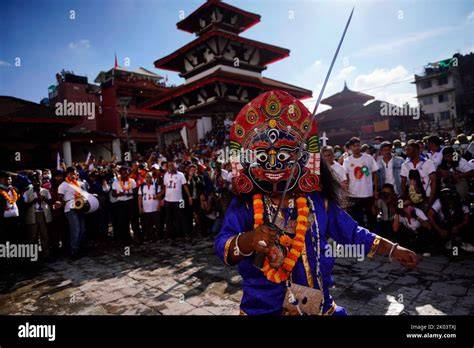
Another significant event is the raising of the lingo, a ceremonial pole symbolizing the presence of the god Indra. This pole is adorned with colorful flags and offerings, and its erection is an important ritual attracting many participants. Traditional dances, including the Kumari Jatra and various folk performances, enrich the festive spirit, showcasing the area's cultural heritage.
You'll also find street vendors selling traditional food and crafts, enhancing the sensory experience of the festival. However, the festive atmosphere can lead to large crowds, so it's essential to stay aware of your surroundings and plan your day accordingly.
How do locals celebrate Indra Jatra?
Local celebrations during Indra Jatra are deeply rooted in tradition and community involvement. People gather to make offerings to deities, including fruits, flowers, and rice, believed to invite blessings and prosperity. Many locals participate in rituals at temples, where prayers and chants are offered to Indra and other deities.
Street performances and cultural displays are essential to the festivities, with local dancers dressed in traditional attire. Community members come together to prepare for the festival, fostering a sense of unity and collaboration that ranges from helping to decorate chariots to participating in dances or simply enjoying the festivities with friends and family.
While the festival is primarily religious, it also serves as a time for socializing and reconnecting with loved ones. Visitors should respect these traditions and consider joining in local customs, such as trying traditional foods or learning a few dance steps.
What are the best spots to enjoy the festivities?
When in Kathmandu for Indra Jatra, several prime locations showcase the most vibrant celebrations. Basantapur Durbar Square is the epicenter of the festival, where you can witness the chariot procession and the raising of the lingo. The atmosphere here is electric, with locals and tourists alike sharing in the excitement.
The surrounding streets are also great spots, featuring various food stalls and artisans selling crafts, giving you a more intimate feel of the local culture. Don't miss the Thamel area, known for its lively ambiance, where you can mingle with both locals and fellow travelers.
Additionally, visiting temples like Hanuman Dhoka Palace offers insight into the festival's religious significance. Keep in mind that the streets can get crowded, so arriving early for key events is wise to secure a good viewing spot.
How do I prepare for my visit to Indra Jatra?
Preparing for Indra Jatra involves practical considerations and cultural awareness. Dress comfortably, as you'll likely be walking and standing for extended periods. Lightweight clothing is recommended, but respecting local customs is equally important; wearing modest attire is best, especially when visiting temples.
Navigating the crowds can be challenging, so familiarize yourself with the festival schedule and plan your itinerary accordingly. Arriving early for key events allows you to secure good viewing spots and enjoy the atmosphere before it becomes too crowded.
Respecting local traditions is crucial. Observing customs, such as not taking photos in restricted areas and participating in offerings if invited, demonstrates respect for the culture. Engaging with locals can enhance your experience, so don't hesitate to strike up conversations. A friendly attitude can go a long way in making your visit memorable.
Conclusion
To truly experience Indra Jatra, start by visiting Basantapur Durbar Square to catch the chariot procession and the lingo raising. Embrace local customs, and don’t hesitate to join in the festivities. Immerse yourself in the vibrant atmosphere, engage with locals, and try traditional foods. A successful visit means coming away with a deeper appreciation for Nepali culture and a sense of connection to the community that celebrates this rich tradition.
Frequently Asked Questions
What is the significance of the Kumari during Indra Jatra?
The Kumari, or living goddess, is central to Indra Jatra as she embodies the goddess Taleju. Her presence in the chariot procession symbolizes divine blessings and protection for the city and its people.
How long does Indra Jatra last?
Indra Jatra typically lasts for about eight days, with the most significant events occurring during the first few days. The festival usually takes place in September, marking the end of the monsoon season.
Can tourists participate in the celebrations?
Yes, tourists are welcome to participate in the celebrations. Engaging with locals, trying traditional foods, and observing rituals can enhance your experience, but it's important to respect cultural norms and practices.
What kind of food is available during Indra Jatra?
During Indra Jatra, you'll find a variety of traditional Nepali foods from street vendors, including momo (dumplings), sel roti (rice-based doughnuts), and various sweets. Sampling these local dishes is a delightful way to immerse yourself in the festival atmosphere.
Is it safe to visit Kathmandu during Indra Jatra?
Generally, it is safe to visit Kathmandu during Indra Jatra, but like any large public gathering, it's wise to be cautious of your belongings and stay aware of your surroundings. Following local advice and respecting customs will enhance your safety and enjoyment.