Understanding General John Galvin and His Role in Military Strategy
General John Galvin played a crucial role in shaping NATO's strategy and military doctrine during the Cold War. His contributions not only defined the alliances' response to Soviet threats but also influenced contemporary military practices. Despite being a lesser-known figure, Galvin's leadership and strategic thinking had a lasting impact on modern warfare.
Who was John Galvin and why is he significant?
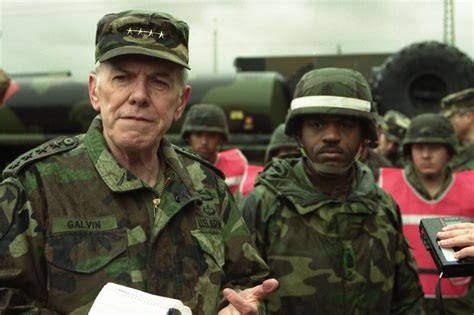
General John Galvin was a distinguished officer in the United States Army, recognized for his strategic acumen and leadership. Born on July 24, 1929, in New York City, he graduated from the United States Military Academy at West Point in 1951. Throughout his career, he served in various roles, including assignments in Korea and Vietnam, which provided him with insights into modern warfare. His most notable position was as the Supreme Allied Commander Europe (SACEUR) of NATO forces from 1987 to 1992. During this period, he played a pivotal role in guiding the alliance through the latter stages of the Cold War, effectively adapting its strategies to a rapidly changing geopolitical environment. His ability to promote cooperation among member nations and advocate for a unified military approach established his importance in military history.
What were Galvin's major accomplishments?
Galvin's military career encompasses several significant achievements that reflect his leadership and strategic vision. One of his key accomplishments was managing NATO forces during a period of heightened tension in Europe. He effectively communicated the importance of deterrence and defense strategies, ensuring NATO's unity against potential Soviet threats. His leadership during the 1989 fall of the Berlin Wall demonstrated his adaptability; he recognized the need for NATO to evolve in response to shifting dynamics. Additionally, he was instrumental in developing the concept of flexible response, which highlighted the necessity of having diverse military options to counter different threats. This approach not only bolstered NATO's readiness but also reassured member states of their collective security. Galvin's efforts contributed to the eventual dissolution of the Warsaw Pact and the easing of Cold War tensions, underscoring his influence on military strategy.
How did Galvin shape NATO's strategy?
As SACEUR, Galvin was instrumental in redefining NATO's strategy to address the challenges of the late 20th century. He recognized that traditional deterrence models required updates to tackle new threats, including both conventional and unconventional warfare. By promoting a strategy that combined military readiness with diplomatic engagement, Galvin advanced a more integrated approach among NATO allies. His emphasis on joint operations and interoperability among forces laid the foundation for modern NATO exercises, which continue to enhance collaboration among member nations. Furthermore, Galvin advocated for the inclusion of Eastern European countries in NATO discussions, acknowledging their potential contributions to regional security. His foresight in fostering these relationships facilitated a smoother transition in the post-Cold War era, ensuring NATO's relevance in a rapidly changing international context.
What challenges did Galvin face in his career?
Throughout his career, Galvin faced several challenges that tested his leadership and strategic thinking. One significant obstacle was navigating the internal politics of NATO, where differing national interests often complicated consensus-building efforts. Balancing the demands of various member countries while maintaining a unified front against external threats required exceptional diplomacy and negotiation skills. Galvin also encountered criticism for advocating military preparedness during a time when many believed the Cold War was nearing its end. This tension between military readiness and the desire for peace was often contentious, as public opinion shifted with the changing political landscape. Additionally, as the Soviet Union began to dissolve, Galvin had to adapt NATO's strategic posture to address new security concerns, such as emerging conflicts in the Balkans, presenting a different set of challenges than those faced during the Cold War.
What can we learn from Galvin's approach to leadership?
Galvin's leadership style offers valuable lessons for both military and civilian leaders. One key takeaway is the importance of adaptability; he pivoted his strategies in response to changing circumstances, demonstrating that flexibility is vital in leadership. His focus on collaboration and communication underscores the need for leaders to foster teamwork and build consensus among diverse groups. Galvin also highlighted the significance of having a clear vision in leadership; he understood the broader implications of military strategy beyond immediate conflicts, which enabled him to guide NATO into a new era. Lastly, his commitment to continuous learning and professional development serves as a reminder that effective leaders must stay open to new ideas and approaches, especially in dynamic environments.
Conclusion
To appreciate General John Galvin's impact, examine his strategies during the Cold War and how they shaped NATO's current operations. Focus on his adaptive leadership style and the emphasis he placed on collaboration among allies. By understanding these elements, you can gain insights into effective military leadership and the complexities involved in maintaining international security. Overlooking Galvin's approach denies the lessons learned from a significant period in military history, which continue to resonate today.
Frequently Asked Questions
What was John Galvin's role in NATO?
John Galvin served as the Supreme Allied Commander Europe (SACEUR) from 1987 to 1992, overseeing NATO forces and shaping the alliance's strategy during the final years of the Cold War.
What were some of Galvin's key strategies?
Galvin emphasized the concept of flexible response, advocating for a range of military options to counter threats, and promoted joint operations and interoperability among NATO forces.
How did Galvin contribute to the end of the Cold War?
Galvin's leadership maintained NATO's unity and readiness during a critical period, enabling the alliance to adapt to the changing geopolitical landscape, which contributed to the peaceful resolution of Cold War tensions.
What challenges did Galvin face as a military leader?
Galvin encountered challenges such as navigating NATO's internal politics, balancing military preparedness with public sentiment for peace, and adapting to new security concerns as the Soviet Union dissolved.
What can modern leaders learn from John Galvin?
Modern leaders can learn about the importance of adaptability and collaboration from Galvin's approach, as well as the value of having a clear vision and being open to continuous learning.