Understanding Endangered Species and Making a Difference
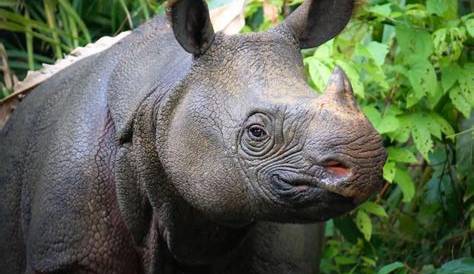
Many people are concerned about the future of wildlife as certain species face the threat of extinction. Endangered species include plants and animals that are at high risk of disappearing from the wild. This situation affects not only ecosystems but also economies and even our survival. Understanding the reasons behind species endangerment and how we can help is crucial for fostering a sustainable future. By engaging with this issue, you can contribute to efforts to protect biodiversity and ensure the survival of our planet's wildlife.
What does it mean for a species to be endangered?
Endangered species are classified based on their risk of extinction. For example, the Javan rhinoceros is critically endangered, with only about 76 individuals remaining. In contrast, the African elephant is classified as vulnerable, with a population still in the hundreds of thousands, but it is declining due to poaching and habitat loss. Understanding these classifications is vital for effective conservation strategies.
Why are species becoming endangered in the first place?
Several factors contribute to species becoming endangered. Habitat loss due to urban development and agriculture is a primary cause, as it destroys the natural environments where species live. Climate change also poses a significant threat, altering habitats and food sources. Poaching and the illegal wildlife trade exacerbate these problems, as animals like elephants and rhinos are hunted for their tusks and horns, which command high prices on the black market. Additionally, invasive species introduced by human activity can outcompete native species for resources, leading to further declines. These threats are interconnected and often stem from human actions.
Which species are critically endangered right now?
Critically endangered species include the Javan rhinoceros and the Sumatra orangutan. The latter faces severe threats from palm oil plantations and deforestation. Protecting these species is critical not only for their survival but also for the health of their ecosystems, which can impact other wildlife and human communities.
What are some successful conservation efforts?
Successful conservation efforts include captive breeding programs for endangered species like the California condor. Through dedicated breeding and reintroduction efforts, their numbers have increased from just 27 individuals in the 1980s to over 400 today. These initiatives, combined with habitat protection and public awareness campaigns, have played a crucial role in recovering species from the brink of extinction. They demonstrate that with commitment and resources, we can make a difference for endangered species.
How can I help endangered species?
You can support endangered species by advocating for policies that protect wildlife and their habitats. Engaging with your community and raising awareness about the importance of biodiversity can inspire others to take action. Simple changes, like reducing meat consumption or participating in local conservation events, contribute to a larger movement aimed at protecting endangered species.
Conclusion
Start by educating yourself about the endangered species in your region and supporting local conservation efforts. Ignoring these issues allows wildlife decline to continue, but by taking action—whether through donations or spreading awareness—you can contribute to a more balanced ecosystem. A positive outcome includes thriving wildlife populations and restored habitats, which ultimately benefit everyone.
Frequently Asked Questions
What are the most endangered species in the world?
Some of the most endangered species include the Amur leopard, Vaquita, and Javan rhinoceros. These animals are critically endangered due to various threats like habitat loss and poaching.
How can I support conservation efforts?
You can support conservation efforts by donating to wildlife organizations, volunteering for local conservation projects, and raising awareness about endangered species and their importance.
What causes species to become endangered?
Species become endangered primarily due to habitat loss, climate change, poaching, and invasive species. These factors disrupt their ecosystems and threaten their survival.
What is the difference between endangered and critically endangered?
Endangered species have a declining population and face significant threats, while critically endangered species are at an imminent risk of extinction, often with very few individuals remaining in the wild.
Are there successful conservation stories?
Yes, successful conservation stories include the recovery of the American bald eagle and the California condor, which have seen their populations grow due to dedicated conservation efforts.