Understanding Dragan Đilas: His Impact on Serbian Politics
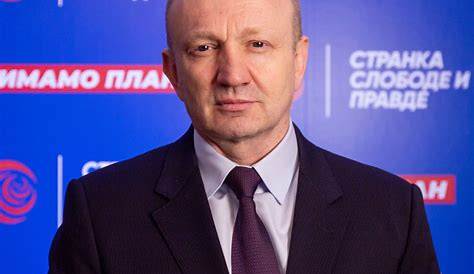
Dragan Đilas is a significant figure in Serbian politics, known for his role as a businessman and politician. His influence is particularly felt in the opposition landscape, where he has emerged as a key challenger to the ruling party. Understanding Đilas is vital for those looking to grasp the current political dynamics in Serbia.
Who is Dragan Đilas and why should I care?
Đilas was born on January 30, 1967, in Belgrade, and graduated from the Faculty of Economics at the University of Belgrade. He became involved in business and politics, with his political career taking off during his tenure as mayor of Belgrade from 2008 to 2013, where he focused on urban development and enhancing public services. After his time as mayor, he became the leader of the Party of Freedom and Justice (SSP) and has since been a prominent figure in the opposition against the current government. His significance lies in his ability to articulate the frustrations of many citizens regarding economic issues, corruption, and the media landscape in Serbia. Following Đilas provides insight into the demands and aspirations of a substantial segment of the Serbian population.
What are Đilas's main political beliefs and policies?
Đilas's political beliefs emphasize democratic governance, transparency, and social justice. He advocates for economic reforms that aim to revitalize the local economy, reduce unemployment, and improve living standards. A key aspect of his policy platform is increasing support for small and medium-sized enterprises, which he believes are crucial for job creation. Moreover, Đilas stresses the importance of environmental protection and sustainable development, pushing for policies that address climate change and promote green technologies. He also supports education reform to enhance access to quality education and vocational training for all citizens. While his policies appeal to many progressive voters, critics argue that implementing these reforms would require substantial financial resources and political will, which may be difficult under current economic constraints.
What controversies has Đilas been involved in?
Throughout his political career, Đilas has faced several controversies, particularly allegations of corruption stemming from his time as mayor of Belgrade. Critics have accused him of mismanaging public funds and awarding contracts that benefited his business interests. Đilas has consistently denied these allegations, insisting they are politically motivated, but they have contributed to a polarized public perception of him. His outspoken criticism of the current government has often led to confrontations with state media, which frequently portray him negatively. Many supporters view him as a target of political persecution, while opponents raise legitimate concerns about his integrity based on his past. The media's portrayal of Đilas reflects the broader political divide in Serbia, making it essential for citizens to critically assess multiple sources to form an informed opinion.
How does Đilas compare to other politicians in Serbia?
Đilas distinguishes himself from other politicians through his approach to opposition. While some politicians focus on power within established parties, Đilas positions himself as a reformer who advocates for change. His emphasis on transparency and accountability sets him apart from many peers criticized for corruption and a lack of responsiveness to citizens' needs. Unlike the ruling Serbian Progressive Party (SNS), which often prioritizes stability and control, Đilas promotes a more liberal agenda centered on civil rights and democratic processes. However, this commitment to reform has made it challenging to unify the fragmented opposition, as various parties and politicians have differing priorities. Understanding these distinctions can help citizens navigate the political landscape and anticipate potential alliances in the future.
What should I watch for in Đilas's future actions?
As you look ahead, pay attention to Đilas's involvement in upcoming elections and his capacity to unite opposition forces. His leadership in the opposition coalition could significantly influence the political landscape, particularly if he successfully engages younger voters and those disillusioned with the current regime. Keep an eye on his positions regarding key issues like economic recovery, social justice, and environmental policies, as these will shape his platform leading up to the elections. Following his public appearances, interviews, and social media can provide valuable insights into his evolving strategies and his plans to confront ongoing challenges in Serbian society. Monitoring these developments will give you a clearer understanding of the potential direction of Serbian politics and how Đilas's influence may reshape it.
Conclusion
To engage with the current political climate in Serbia, closely follow Dragan Đilas's initiatives and statements. Stay updated through local news and social media on his policies and public engagements. It's essential to differentiate between media portrayals and his actual positions to form a comprehensive view. A deeper understanding of Serbian politics comes from considering multiple perspectives, empowering you to contribute meaningfully to discussions and decisions affecting your community.
Frequently Asked Questions
What party does Dragan Đilas lead?
Dragan Đilas is the leader of the Party of Freedom and Justice (SSP), which he founded to provide a progressive alternative in Serbian politics.
What was Đilas's role as mayor of Belgrade?
As mayor of Belgrade from 2008 to 2013, Đilas focused on urban development, public service improvements, and infrastructure projects aimed at revitalizing the city.
Has Đilas faced any legal issues?
Yes, Đilas has faced allegations of corruption related to his time as mayor, though he has consistently denied these claims, asserting they are politically motivated.
How does Đilas view Serbia's relationship with the EU?
Đilas supports closer ties with the European Union, advocating for reforms that align with EU standards, particularly in governance, human rights, and economic development.
What impact has Đilas had on the opposition movement in Serbia?
Đilas has served as a unifying figure for various opposition parties, pushing for a more coordinated effort against the ruling party, which has energized segments of the electorate seeking change.