Understanding Cult Images: Their Role and Significance
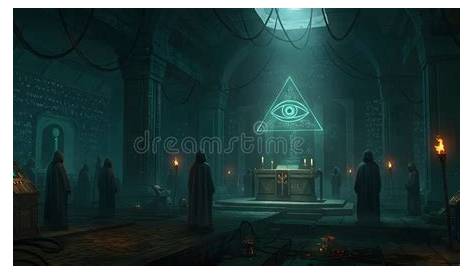
Cult images are representations in art and religion that hold significant spiritual meaning for their followers. They serve as focal points for worship, embodying the divine and facilitating a connection between the physical and the spiritual. Understanding cult images enhances our appreciation of their cultural and religious significance, revealing the intricate layers of meaning behind these revered objects.
What exactly is a cult image?
Cult images are often sculptures or paintings that embody a deity or spiritual figure, intended for veneration in worship or ritual contexts. They serve as a direct link between the physical and the divine, distinguishing them from other religious art forms that may aim to inspire or educate. Cult images are seen as imbued with the essence of the divine they represent, evident in the materials used, the care taken in their creation, and the specific rituals performed around them. For example, a statue of a Hindu deity might be adorned with flowers and incense, while a Christian icon may be kissed by the faithful. These images are crafted with specific cultural and historical contexts in mind, influencing their depiction and role in worship. Although they can resemble ordinary art pieces, their function in religious practices elevates them to sacred objects deserving of respect and reverence.
How have cult images been used throughout history?
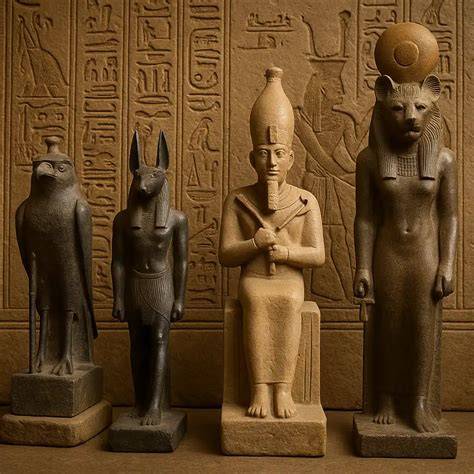
Cult images have played vital roles across various cultures and religions throughout history, evolving alongside societal changes. In Ancient Egypt, statues of gods and pharaohs were not only artistic expressions but also central to rituals that maintained cosmic order. Located in temples, these images were believed to house the spirit of the deity, making them focal points for worship and offerings. In Mesoamerican cultures, such as the Aztecs and Mayans, cult images were integral to religious ceremonies and sacrifices, reflecting the society's cosmology and social order. The Renaissance in Europe saw a resurgence of interest in religious imagery, with artists like Michelangelo creating works that were both visually stunning and rich in theological significance. These cult images were displayed in churches and cathedrals, allowing the laity to connect with the divine. In contemporary times, new religious movements have led to modern interpretations of cult images, where artists create new forms of veneration that reflect current spiritual needs and cultural contexts. This historical journey illustrates that cult images are not static; they adapt to represent the beliefs, values, and artistic expressions of the societies that create them.
Why do people feel a connection to cult images?
People's emotional and spiritual connections to cult images stem from various psychological and sociological factors. Psychologically, cult images serve as tangible representations of the divine, providing a sense of presence and comfort. This embodiment allows individuals to project their hopes, fears, and aspirations onto the image. For instance, a person may find solace in a statue of a saint during times of distress, feeling a personal connection that transcends the material world. Sociologically, cult images act as symbols of community and identity, fostering a shared sense of belonging among adherents. Group rituals centered around these images can create strong communal bonds and reinforce shared beliefs and cultural traditions. The act of venerating a cult image often involves communal practices, such as prayers or offerings, enhancing a sense of collective identity. However, not all connections to cult images are positive; some individuals may feel pressured to conform to community expectations surrounding these images. This complexity highlights that while cult images can inspire deep connections, they also come with social dynamics that can be both uplifting and challenging.
How can I respectfully engage with cult images?
If you're interested in exploring cult images and their meanings, it's essential to approach them with respect and an open mind. Begin by educating yourself about the cultural and religious contexts in which these images exist. Understanding their history, symbolism, and associated rituals can provide valuable insights into their significance. When visiting places where cult images are displayed, such as temples or sacred sites, observe the behaviors of those who venerate them to grasp the appropriate ways to engage. If you feel compelled to interact with a cult image, consider doing so in a manner that honors its sacredness—this might involve observing quietly or participating in a prayer or offering if it's appropriate. Avoid taking photographs or touching images unless you are certain it is acceptable within that context. By showing reverence and curiosity, you can foster a deeper understanding of these powerful symbols and the beliefs they represent.
Conclusion
To begin your exploration of cult images, focus on a specific culture or religious tradition that interests you. Seek to understand the historical and spiritual significance of their images, rather than merely their artistic qualities. Engage with these images respectfully, whether through visits to sacred sites or discussions with practitioners, to gain a more nuanced appreciation. This approach will lead to a richer understanding of the cultural and emotional weight these images carry, resulting in more meaningful interactions with the communities that hold them dear.
Frequently Asked Questions
What is the difference between cult images and religious art?
Cult images are specifically intended for veneration and worship, serving as a direct link to the divine. In contrast, religious art may not be used in worship and can serve various purposes, such as decoration or storytelling.
Are cult images always sculptures?
No, cult images can take many forms, including paintings, icons, and digital representations. What defines them is their role in worship and their intended purpose as objects of veneration.
Why do some people oppose the use of cult images?
Opposition often arises from beliefs that venerating images constitutes idolatry. Some religious groups view this practice as a distraction from direct worship of the divine, leading to debates about the appropriateness of their use.
Can modern artists create cult images?
Yes, modern artists can create new forms of cult images that reflect contemporary spiritual themes and cultural contexts. These new images can hold significant meaning for new religious movements or communities.
How can I participate in rituals involving cult images?
To participate in rituals, it's best to learn about the specific customs and practices of the tradition first. Observing respectfully and asking questions can help you navigate these experiences appropriately.