Understanding Coca-Cola India: Business Strategies

Coca-Cola is a major beverage company with a significant presence in India, operating since its re-entry in 1993. The company's business strategies and cultural influence highlight how multinational corporations adapt to local markets and consumer preferences.
The history of Coca-Cola in India
Coca-Cola first entered the Indian market in 1932 but withdrew in 1977 due to regulatory pressures. The company made a comeback in 1993 following India's economic liberalization, modernizing its operations and product offerings. Key milestones since then include launching iconic campaigns like "Share a Coke" and expanding its product line to feature local flavors such as Maaza, a popular mango drink. Over the years, Coca-Cola has established numerous bottling plants and distribution networks, solidifying its presence across the country.
Marketing strategies adapted for Indian consumers
Coca-Cola tailors its marketing strategies to resonate with Indian consumers. During festivals like Diwali, they run campaigns that celebrate togetherness, emphasizing family and community values. The company often employs local celebrities in advertisements to enhance relatability. Additionally, the introduction of products like Thums Up, a local cola brand with a loyal fan base, demonstrates Coca-Cola's commitment to local tastes. If you visit a store in India, you'll notice Coca-Cola's packaging frequently features regional languages and themes, making their drinks appealing to diverse demographics.
Economic and community impact of Coca-Cola
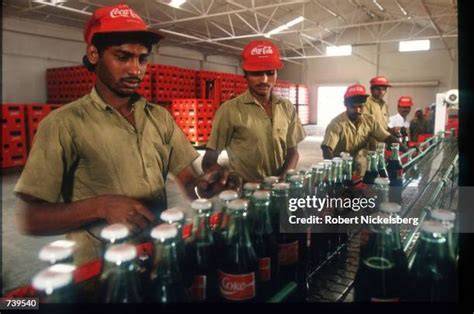
Coca-Cola's operations have both positive and negative effects on local economies and communities in India. Positively, the company has created thousands of jobs in production, distribution, and retail, contributing to local economies. They engage in community initiatives, such as water conservation projects and health awareness campaigns. However, criticisms arise regarding water usage in drought-prone areas and the health implications of sugary drinks. These concerns have sparked discussions about corporate responsibility and sustainability.
Challenges faced by Coca-Cola in India
Coca-Cola faces several challenges in India, including stiff competition from local brands and global rivals like Pepsi. Regulatory hurdles, particularly regarding water usage and health concerns tied to sugar content, present ongoing difficulties. Misconceptions about the company, often fueled by negative media reports about water scarcity and health impacts, have affected public perception. For instance, many believe that Coca-Cola depletes local water resources, complicating their operations in certain regions.
Future outlook for Coca-Cola in India
Looking ahead, Coca-Cola is likely to expand its product range to include healthier options in response to changing consumer preferences. The company may also enhance its sustainability efforts, particularly in water conservation and eco-friendly packaging. By emphasizing local flavors and leveraging digital marketing strategies, Coca-Cola can maintain its market position. With India's growing middle class and increasing demand for beverages, Coca-Cola's future in the country appears promising.
Conclusion
To understand Coca-Cola's business strategies and their impact on India, consider exploring local market trends and consumer behavior. Engaging with community initiatives or following Coca-Cola's sustainability efforts can offer deeper insights into their role in Indian society.
Frequently Asked Questions
What is Coca-Cola's business model in India?
Coca-Cola's business model in India focuses on adapting to local preferences, establishing extensive bottling and distribution networks, and engaging in community initiatives.
How does Coca-Cola influence local communities in India?
Coca-Cola influences local communities through job creation, community engagement initiatives, and local product offerings tailored to consumer preferences.
What challenges does Coca-Cola face in the Indian market?
Coca-Cola faces challenges such as competition from local brands, regulatory hurdles, and public perception issues related to water usage and health impacts.