Understanding Belemnitida: The Significance of These Ancient Cephalopods
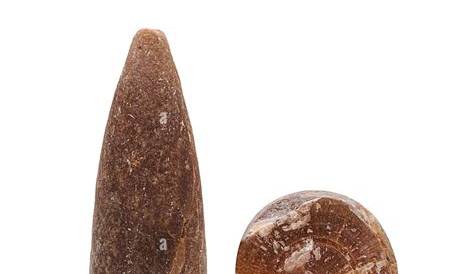
Belemnitida are an extinct order of cephalopods that played a significant role in the fossil record, particularly during the Mesozoic era. These ancient creatures, closely related to modern squids and octopuses, are notable for their unique morphology and their ecological significance in ancient marine ecosystems. Studying Belemnitida provides valuable insights into the evolution of marine life and the environmental conditions of their time.
What exactly are Belemnitida?
Belemnitida are an extinct order of cephalopods that thrived during the Mesozoic era, particularly from the late Triassic to the end of the Cretaceous period. They are recognized by their elongated, bullet-shaped shells, known as rostra, which are often found fossilized. These rostra are typically composed of aragonite, a form of calcium carbonate, and vary significantly in size and shape among different species. Belemnitida are closely related to modern squids and other cephalopods, sharing features such as a soft body, tentacles, and a siphon used for locomotion. However, unlike modern cephalopods, Belemnitida possessed an internal shell that provided buoyancy and stability in the water. This adaptation allowed them to occupy various niches in their marine ecosystem. Their specific morphology and ecological roles were distinct and crucial for understanding the history of marine life.
Why are Belemnitida important in the fossil record?
Belemnitida hold considerable significance in the fossil record for several reasons. They were abundant and widespread in Mesozoic seas, making their fossils relatively common. This abundance enables paleontologists to study their distribution and diversity, which aids in reconstructing ancient marine ecosystems. As important predators, Belemnitida fed on smaller marine organisms and competed with other marine reptiles and fish. Their presence in fossil assemblages can indicate the health of marine ecosystems and provide insights into food web dynamics. Additionally, Belemnitida are commonly used as index fossils, which help geologists date the rocks in which they are found. This capability enhances our understanding of geological history and the timing of various evolutionary events.
How can I identify Belemnitida fossils?
Identifying Belemnitida fossils requires attention to specific features. The most distinguishing characteristic is the rostrum, which has a bullet-like shape and can range from a few centimeters to over a foot long. When examining a fossil, look for a smooth, elongated shell with a pointed end. While complete specimens can be found, more often, you'll encounter fragmented rostra. These fossils are typically located in sedimentary rocks, especially in marine deposits. The presence of associated fossils, like ammonites and other marine organisms, can also help confirm their identity. Familiarizing yourself with different genera of Belemnitida is useful, as they exhibit unique features, such as varying patterns on the shell surface and different cross-section shapes.
What do Belemnitida tell us about past environments?
The presence of Belemnitida fossils in sedimentary layers offers valuable insights into ancient marine environments. The types of sediments containing Belemnitida can indicate water depth and conditions. For example, finding Belemnitida in fine-grained limestone suggests a calm, deep marine environment, while coarser sediments may indicate shallower, more turbulent waters. Analyzing stable isotopes in Belemnitida shells can reveal information about past temperatures and ocean chemistry, aiding in the reconstruction of climate conditions during their existence. This data can reveal patterns of change, such as warming or cooling periods, and how these changes affected marine life. Understanding the habitats and ecological roles of Belemnitida contributes to a broader understanding of the evolutionary pressures during the Mesozoic and how these cephalopods adapted to changing environments.
What are the latest discoveries related to Belemnitida?
Recent research on Belemnitida has focused on their evolutionary relationships and ecological roles during the Mesozoic. Advances in technologies, including CT scanning and isotopic analysis, have enabled scientists to examine their morphology and physiology in greater detail. Some studies have identified new species based on well-preserved fossils found in unexpected locations, broadening our understanding of their diversity. Additionally, paleontologists are investigating how Belemnitida adapted to shifts in marine environments, particularly during mass extinction events. These discoveries continue to refine our understanding of the evolutionary history of cephalopods and their responses to ecological changes.
Conclusion
To explore Belemnitida, start by familiarizing yourself with their distinctive features and the environments where their fossils are found. Pay close attention to the shape of the rostrum and the sedimentary context when you encounter a fossil. Focus on the key traits that define Belemnitida, rather than becoming overwhelmed by the variety of cephalopod species. This approach will enhance your ability to identify these fossils and deepen your understanding of their significance in reconstructing ancient marine ecosystems and evolutionary history.
Frequently Asked Questions
What time period did Belemnitida live in?
Belemnitida thrived during the Mesozoic era, specifically from the late Triassic to the end of the Cretaceous period.
How do Belemnitida differ from modern cephalopods?
While Belemnitida share many features with modern cephalopods, such as having tentacles and a siphon, they are distinct due to their elongated internal shells, known as rostra, which are not present in most modern cephalopods.
Where are Belemnitida fossils commonly found?
Belemnitida fossils are typically found in sedimentary rocks formed in marine environments, particularly limestone and shales, where they were deposited during the Mesozoic.
Can Belemnitida fossils be used for dating rocks?
Yes, Belemnitida are often used as index fossils, helping geologists date the rocks in which they are found and correlate different rock layers across regions.
What recent discoveries have been made about Belemnitida?
Recent discoveries include new species identified through advanced imaging techniques and research focused on how Belemnitida adapted to environmental changes during their existence, especially around mass extinction events.