Understanding Assassination: Its Impact on History
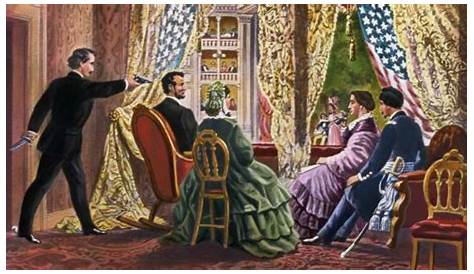
Assassination refers to the deliberate killing of a prominent figure, typically for political reasons. This act has deep historical roots and has significantly influenced nations and their trajectories. By examining notable assassinations and the motivations behind them, we can better understand their profound impact on society and governance.
What are the most famous assassinations in history?
Some of the most notable assassinations include Abraham Lincoln in 1865 and Archduke Franz Ferdinand in 1914. Lincoln's assassination by John Wilkes Booth plunged the United States into a period of uncertainty during Reconstruction. The killing of Archduke Ferdinand by Gavrilo Princip set off a chain reaction leading to World War I, drastically altering the geopolitical landscape of Europe. These historical examples illustrate how the death of a leader can lead to significant political upheaval, societal change, and shifts in public policy.
Why do people commit assassinations?
The motivations behind political assassinations are varied and often stem from a desire for political gain, ideological beliefs, or personal vendettas. Political figures might be targeted because their policies threaten the interests of certain groups, as seen during the Cold War. Additionally, some individuals are driven by extreme ideological convictions, believing that eliminating a leader will advance their cause. Personal grievances can also play a role, where an assassin has a direct vendetta against the target, complicating the motivations behind the act.
How do assassinations affect governments and societies?
Assassinations can cause dramatic effects on governments and societies, often leading to political instability and shifts in public opinion. The assassination of John F. Kennedy in 1963 not only shocked the American public but also prompted significant changes in government security protocols and public trust. In the aftermath, conspiracy theories surged, altering how citizens viewed their government. Such events can inspire movements, evoke fear, or galvanize public sentiment, demonstrating how deeply intertwined assassinations are with societal reactions and political dynamics.
What are the legal consequences for perpetrators of assassination?
Different countries handle the prosecution of assassination cases in various ways, often distinguishing between murder and political assassination. In some nations, assassins may face severe penalties, including life imprisonment or even death sentences, if the act is viewed as treasonous. However, in other contexts, political motivations can complicate legal repercussions, sometimes leading to leniency or political asylum for the perpetrators. This disparity raises important questions about justice and accountability in politically charged situations.
How can society prevent political assassinations?
Preventing political assassinations requires robust security measures and community engagement to address political violence. Security protocols for public figures often include enhanced protection, such as bodyguards and secure transportation. Equally important is fostering inclusive political environments to reduce the likelihood of radicalization and violence. By addressing grievances and ensuring diverse voices are heard, societies can work towards minimizing the risk of such extreme acts.
Conclusion
Understanding the impact of assassination involves exploring historical examples and the motivations behind these acts. Avoid sensationalized portrayals in media that often obscure complex realities. A nuanced perspective on how these events shape political landscapes and influence societal change can prompt deeper discussions about prevention and accountability.
Frequently Asked Questions
What is the difference between assassination and murder?
Assassination is defined as the targeted killing of a prominent individual for political reasons, while murder encompasses any unlawful killing. The motivations and contexts surrounding these acts can differ significantly.
How have assassinations changed political landscapes?
Assassinations often lead to shifts in power dynamics, changes in policy, and even revolutions. They can mobilize public sentiment and provoke unrest, altering the course of history, as seen in the aftermath of figures like Lincoln and Kennedy.
Are there examples of successful political assassinations?
Yes, there are instances where political assassinations succeeded in altering policies or leading to regime changes. The assassination of Archduke Ferdinand directly contributed to the onset of World War I, reshaping global politics.
What are some security measures for preventing assassinations?
Preventative measures can include increased security for public figures, intelligence sharing between agencies, and community outreach programs aimed at addressing underlying tensions that may lead to violence.
What happens to someone who commits assassination in different countries?
Consequences for assassination vary widely; in some countries, perpetrators may face severe penalties like death or life imprisonment, while in others, the political context might lead to leniency or even asylum.