Understanding the African Buffalo: Key Facts for Safari Enthusiasts
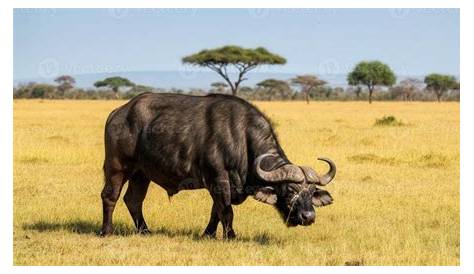
If you're planning a safari in Africa, you'll want to be on the lookout for the iconic African buffalo. These impressive animals are not just another big game species; they possess unique behaviors and habitats that make them fascinating to observe. Understanding their habitat, social structures, and behaviors can greatly enhance your safari experience and deepen your appreciation for these magnificent creatures.
What do I need to know about the African buffalo's habitat?
African buffalo are primarily found in sub-Saharan Africa, thriving in a variety of environments, including open grasslands, savannas, and wetlands. These areas are essential for their survival, as they are herbivores that rely on grasses and other vegetation for food. Buffalo often congregate near water sources, particularly during the dry season when hydration is crucial. Wetlands are especially important as they provide both sustenance and water. In regions like the Serengeti and Kruger National Park, buffalo are abundant, indicating a healthy ecosystem. While they are adaptable, they typically avoid dense forests and arid deserts where food and water are scarce.
How do African buffalo interact in their herds?
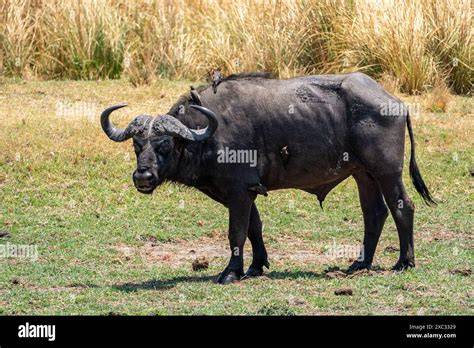
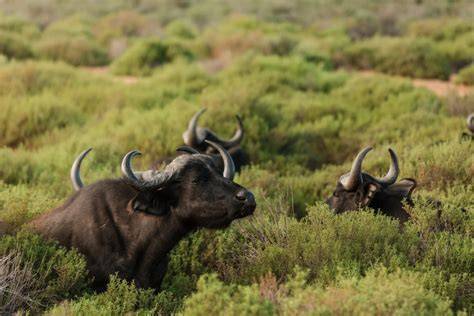
African buffalo are highly social animals that live in herds, which can consist of a few dozen to several hundred individuals. These herds generally comprise females and their young, while adult males often form separate bachelor groups outside of the breeding season. Within the herd, a clear social structure exists, with older females typically leading the group and making decisions regarding movement and grazing. Buffalo communicate through various vocalizations and body language, and they engage in grooming behaviors that strengthen social bonds. They also exhibit cooperative behavior, often working together to defend against predators like lions. Observing their social interactions can reveal much about their distinct dynamics.
Are African buffalo dangerous to humans?
A common misconception is that African buffalo are inherently aggressive toward humans. While they are large and powerful animals, they generally avoid human interaction. Most encounters happen unexpectedly or if they feel threatened, especially when protecting their calves. Buffalo may charge if they perceive a threat, but this behavior is primarily defensive rather than aggressive. Understanding their behavior is essential; buffalo are more likely to react when cornered or provoked. Unlike other dangerous animals, such as lions or elephants, buffalo do not actively seek human confrontation. By respecting their space and observing them from a safe distance, you can appreciate their strength without putting yourself at risk.
What should I look for when observing African buffalo on safari?
Spotting African buffalo during your safari can be a rewarding experience. Look for them grazing in open fields or near water sources, particularly during early morning or late afternoon when they are most active. Pay attention to their herd dynamics; observing interactions among members can provide insights into their social structure. Their distinctive physical features, such as large, curved horns and robust bodies, are also notable. If you see them wallowing in mud, they are likely cooling down and protecting themselves from insects. Additionally, keep an eye on the behavior of other wildlife nearby, as predators often follow buffalo herds, making your sighting even more thrilling.
How can I prepare for a close encounter with African buffalo?
If you encounter African buffalo during your safari, it's essential to know how to behave to ensure your safety. Always remain in your vehicle unless you are in a designated safe area. While buffalo are not typically aggressive unless threatened, maintaining a respectful distance is crucial. If you find yourself close to them, stay calm and avoid sudden movements that could startle them. It's best to observe quietly without attempting to feed or provoke them. If a buffalo approaches your vehicle, keep the windows up and refrain from making loud noises. By understanding their behavior and respecting their space, you can enhance your experience and stay safe.
Conclusion
To truly enjoy your encounter with African buffalo on safari, familiarize yourself with their habitat and social structures. This knowledge will enhance your appreciation of their behavior and interactions. Disregard myths about their aggression; instead, focus on observing them respectfully from a distance. A rewarding experience includes spotting a herd grazing peacefully while reflecting on their role in the ecosystem.
Frequently Asked Questions
What do African buffalo eat?
African buffalo primarily graze on grasses, leaves, and shrubs. They are herbivores that prefer areas with abundant foliage, especially in savannas and wetlands.
How fast can African buffalo run?
African buffalo can run at speeds of up to 40 kilometers per hour (about 25 miles per hour) in short bursts, which is surprising given their size.
What is the lifespan of an African buffalo?
In the wild, African buffalo typically live around 15 to 25 years, although some may live longer in protected environments.
Are African buffalo solitary or social animals?
African buffalo are very social creatures and live in herds, which can vary significantly in size, often composed of females and their young.
How can I distinguish between African buffalo and water buffalo?
While both species appear similar, African buffalo have curved horns that form a distinctive shape, whereas water buffalo have larger, more outward-curving horns.