Understanding Active Cooling: Keep Your Home Comfortable
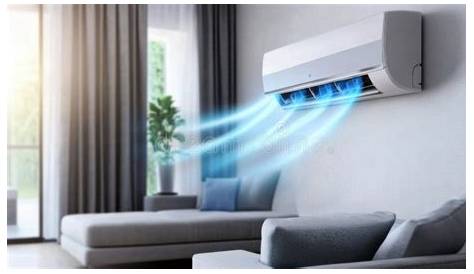
If you're uncomfortable in your home during the hotter months, relying solely on open windows or fans often isn't enough. Active cooling systems, such as air conditioners and heat pumps, lower indoor temperatures using mechanical processes to create a comfortable environment. This article explains how active cooling works, explores different types available, and helps you choose the best solution for your needs.
What is active cooling and how does it work?
Active cooling refers to mechanical systems designed to remove heat from indoor spaces, making them cooler. Unlike passive cooling methods—such as shading, ventilation, or thermal mass—that depend on natural temperature differences, active cooling systems use energy to achieve a comfortable environment. For example, air conditioners work by circulating refrigerant through coils: the refrigerant absorbs heat from the indoor air and releases it outside. Heat pumps operate similarly but can also reverse the process for heating during colder weather. Both systems require electricity, distinguishing them from passive methods that rely on environmental conditions.
What types of active cooling systems are available?
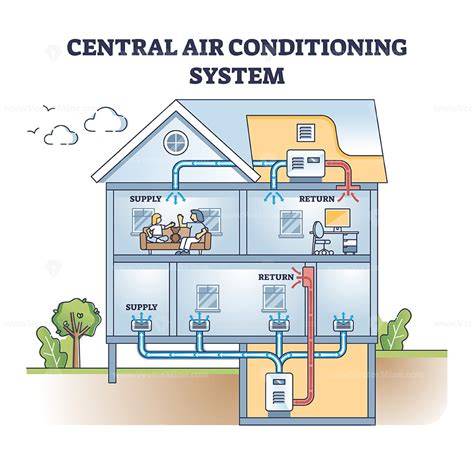
Several active cooling options are available for your home. Central air systems are a popular choice for larger spaces, utilizing ductwork to distribute cool air throughout the house. While effective, they can be expensive to install and maintain. Ductless mini-split systems offer flexibility without the need for ductwork and are ideal for homes without existing ducts or for room additions. Evaporative coolers, or swamp coolers, are energy-efficient alternatives in dry climates, as they cool air by evaporating water. Each system has its pros and cons in terms of energy efficiency, installation costs, and maintenance needs, which should be carefully considered before making a decision.
How do I choose the right active cooling system for my home?
Selecting the right active cooling system involves considering several factors. First, assess the size of your home; larger spaces may require central air systems, while smaller areas might be better suited for mini-split systems. Next, think about your local climate. An air conditioner may be more effective in humid regions, while a swamp cooler could be advantageous in drier areas. Energy efficiency is another critical aspect; look for systems with high SEER (Seasonal Energy Efficiency Ratio) ratings, indicating better performance and potentially lower utility bills. Lastly, evaluate your budget for both installation and ongoing energy costs to find a solution that meets your needs without exceeding your financial limits.
What are common misconceptions about active cooling?
Many people mistakenly believe that active cooling systems are always less efficient than passive methods. While passive cooling can lower temperatures without energy use, modern air conditioners and heat pumps can be highly efficient, especially those designed with advanced technology. Another misconception is that all active cooling systems offer the same level of effectiveness; in reality, their performance can vary based on factors like installation quality, maintenance, and the specific needs of your space. Understanding these nuances allows you to make more informed choices regarding your home’s cooling solutions.
What steps can I take to maintain my active cooling system?
Regular maintenance is crucial for keeping your active cooling system running efficiently. Start by changing or cleaning filters every 1-3 months to ensure proper airflow and system efficiency. Schedule annual professional inspections to check refrigerant levels, inspect coils, and clean ducts if applicable. Additionally, keep the outdoor unit clear of debris and vegetation to maintain optimal performance. These simple steps can extend your system's lifespan and enhance its cooling effectiveness.
Conclusion
To improve your indoor climate, assess your cooling needs based on your home's size and local climate. Explore energy-efficient options that fit your budget and lifestyle. The goal is to find a solution that keeps your home comfortable without excessive energy bills or maintenance challenges. With the right active cooling system, you can enjoy a pleasant home environment year-round.
Frequently Asked Questions
What is the difference between active and passive cooling?
Active cooling involves mechanical systems like air conditioners that use energy to remove heat, while passive cooling relies on natural methods such as ventilation and shading to keep spaces cooler.
Are evaporative coolers effective in humid climates?
Evaporative coolers are generally less effective in humid climates because they add moisture to the air. They work best in dry areas where low humidity allows for efficient evaporation.
How often should I service my air conditioning unit?
You should aim to service your air conditioning unit at least once a year, ideally before the cooling season begins, to ensure it operates efficiently and lasts longer.
Can I install a cooling system myself?
While some cooling systems, like window units, can be installed by homeowners, most central air systems and ductless mini-splits require professional installation to ensure proper sizing and efficiency.
What are the signs that my cooling system needs repair?
Common signs include unusual noises, inconsistent cooling, higher energy bills, and a noticeable decrease in airflow. If you notice any of these issues, it's wise to have your system checked.