Understanding the Themes and Lessons of 2 Samuel 14
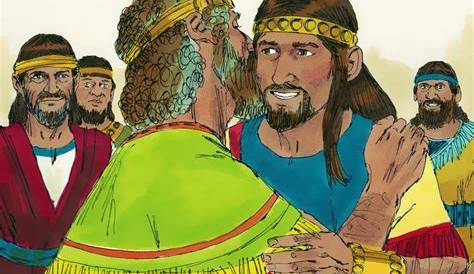
2 Samuel 14 explores the complexities of the strained relationship between King David and his son Absalom after the latter's rebellion. The chapter highlights the conflict stemming from Absalom's act of vengeance against his brother Amnon and David's subsequent failure to reconcile with him. Joab, David's military commander, plays a pivotal role in facilitating Absalom's return to Jerusalem, emphasizing themes of forgiveness and the complexities of family dynamics.
What happens in 2 Samuel 14?
In 2 Samuel 14, we witness the intricate dynamics of David's family following Absalom's rebellion. Absalom had killed his brother Amnon in revenge for Amnon's violation of their sister Tamar, which led to Absalom fleeing to Geshur. Although David mourned for Absalom, he took no steps to reconcile with him. Joab, recognizing the need for family unity, devised a plan involving a wise woman from Tekoa. She approached David with a fabricated story mirroring his own situation, prompting him to acknowledge his failure to bring Absalom back. Eventually, Joab facilitated Absalom's return to Jerusalem, but David, still conflicted, allowed him to remain in isolation for two years before they met. This chapter highlights ongoing family tensions and unresolved issues within David's household, reflecting the complexity of familial relationships and the consequences of past actions.
Why is Joab's role significant?
Joab's intervention in 2 Samuel 14 is significant for several reasons. He acts as a mediator who understands the need for reconciliation within David's family. His clever use of the Tekoa woman's story effectively nudges David to confront his feelings about Absalom and the implications of their estrangement. Joab's actions reveal his grasp of both the political and emotional dimensions of the kingdom. While Joab is loyal to David, he also has personal motivations; he seeks to maintain stability and possibly secure his own position of power within the court. This adds depth to his character and highlights the often murky waters of loyalty and manipulation in leadership. However, Joab's use of deceit to achieve a good outcome raises ethical questions, demonstrating that even well-intentioned actions can have morally ambiguous foundations.
What themes of forgiveness and reconciliation are present?
Forgiveness and reconciliation are central themes in 2 Samuel 14, particularly regarding David's relationship with Absalom. The chapter illustrates the struggle to forgive and the difficulty of mending broken family ties. David’s initial reluctance to welcome Absalom back reflects a deeper conflict—his love for his son is overshadowed by the pain of past actions and the consequences of family strife. Joab’s role as a peacemaker emphasizes the necessity of taking proactive steps toward reconciliation, even when uncomfortable. The wise woman from Tekoa acts as a catalyst, forcing David to confront his failures as a father and leader. This chapter reminds us that forgiveness is not simply about forgetting past hurts; it involves acknowledging them and choosing to rebuild relationships. David's struggle between familial love and justice complicates his ability to fully embrace reconciliation, prompting deeper discussions about the nature of forgiveness in our own lives.
How do these events reflect on leadership and authority?
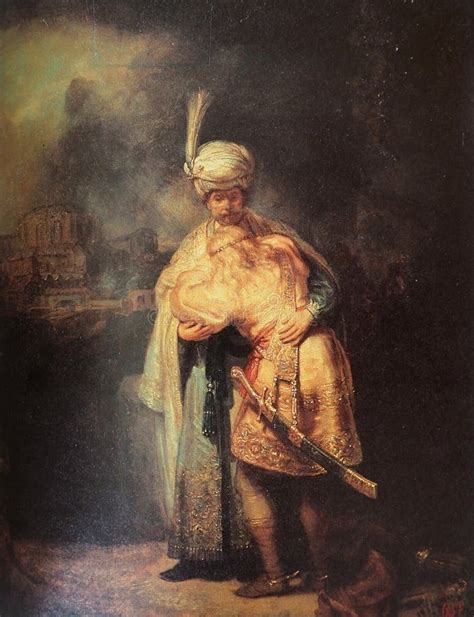
The events in 2 Samuel 14 provide profound insights into leadership and authority, particularly regarding how David navigates his roles as king and father. His initial inaction concerning Absalom reflects a failure in leadership; he is torn between his duties as a ruler and responsibilities as a parent. By allowing Joab to manage Absalom's return, David demonstrates a reliance on others to handle personal matters, a common pitfall for leaders. This reliance can undermine authority, creating perceptions of weakness or indecision. Moreover, David's choices have broader implications for his kingdom, showing how personal conflicts can spill over into public governance. The strained relationship with Absalom foreshadows future turmoil in David's reign and serves as a cautionary tale about the importance of addressing personal issues to maintain effective leadership. The chapter illustrates that authority requires not just power but also the ability to confront and resolve conflicts within one's family.
What can we learn from 2 Samuel 14 today?
2 Samuel 14 offers valuable lessons for modern readers, particularly regarding family dynamics and conflict resolution. It encourages reflection on how unresolved family issues can impact relationships and leadership. The chapter advocates for open communication and proactive measures to mend relationships, even when difficult. Joab's role highlights the importance of wise advisors who can facilitate reconciliation. Consider how you might address conflicts in your own life or community, drawing inspiration from the themes of forgiveness and courage found in David and Absalom’s story. Ultimately, the chapter invites you to explore the balance between authority and empathy, urging you to lead with compassion while being willing to confront uncomfortable truths in personal and professional relationships.
Conclusion
Begin your discussion by emphasizing the importance of addressing family conflicts directly, using David's struggles as a reference point. Encourage your group to explore the complexities of forgiveness and the roles individuals play in reconciliation. While acknowledging difficulties, focus on the opportunities for healing and the lessons in leadership that emerge from these narratives. A thoughtful conversation can lead to greater understanding and stronger relationships, both within your group and in their personal lives.
Frequently Asked Questions
What caused the conflict between Absalom and David?
The conflict arose after Absalom killed his brother Amnon in revenge for Amnon's assault on their sister Tamar. This act of vengeance led Absalom to flee, creating a rift between him and David.
How did Joab facilitate Absalom's return?
Joab devised a plan involving a wise woman from Tekoa, who presented a fabricated story to David that mirrored his own situation with Absalom. This prompted David to reconsider his stance on Absalom's return.
What are the key themes in 2 Samuel 14?
The key themes include forgiveness, reconciliation, and the dynamics of family relationships, especially in the context of leadership. The chapter highlights the complexities of navigating personal and political conflicts.
How does this chapter reflect on David's leadership?
David's leadership is portrayed as flawed, as he struggles to balance his role as a father with his duties as king. His initial inaction regarding Absalom's return raises questions about his decision-making and the consequences of unresolved family issues.
What can modern readers learn from 2 Samuel 14?
Modern readers can learn about the importance of addressing family conflicts directly, the value of forgiveness, and the complexities of leadership. The chapter encourages proactive communication and understanding in relationships.