Understanding the UK BSE Outbreak and Its Impact on Pet Food Safety
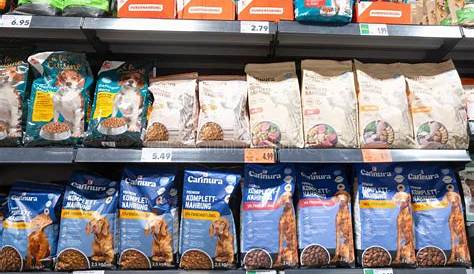
If you're a pet owner worried about the safety of your dog's food, you're not alone. Bovine Spongiform Encephalopathy (BSE), or mad cow disease, significantly impacts the safety of beef products, which can extend to pet food. BSE is a neurological disease that affects cattle and can be transmitted through contaminated feed, particularly feed containing infected animal parts. Understanding the origins of BSE in the UK, how it affects cattle, and the measures in place today can help alleviate your concerns about your pet's diet.
What is BSE and why should I care?
BSE, or Bovine Spongiform Encephalopathy, is a prion disease that affects the brain and spinal cord of cattle, leading to progressive neurological degeneration. Infected cattle may exhibit symptoms such as behavioral changes, coordination issues, and severe neurological impairment, ultimately resulting in death. As a pet owner, you should care because BSE can be transmitted through the food chain, particularly in pet food made from cattle by-products. Although the risk of your pet contracting BSE through pet food is very low today, the history of BSE outbreaks and potential cross-contamination remain concerns. Recognizing the signs of BSE in cattle and understanding its implications for the pet food industry can help you make informed choices about your pet's diet.
How did the BSE outbreak start in the UK?
The BSE outbreak in the UK began in the mid-1980s, primarily due to the practice of feeding cattle meat-and-bone meal that contained infected animal parts. Initially undetected, the disease spread rapidly. By 1996, it became clear that BSE could be transmitted to humans, prompting new regulations and a public health crisis. In response, the government implemented measures such as banning certain animal by-products in cattle feed and culling infected herds. The crisis peaked in the late 1990s, leading to widespread panic and significant changes in agricultural practices. Understanding this timeline helps underscore the seriousness of BSE and the steps taken to prevent future outbreaks.
What are the risks of BSE to my pet?
While the current risk of BSE affecting your pet is very low, it's essential to understand how it could enter the food supply. BSE can potentially be transmitted to animals like dogs through contaminated meat and bone meal. Although symptoms of BSE in pets may include behavioral changes and lack of coordination, such cases are extremely rare. Most commercial pet food manufacturers comply with strict regulations that minimize this risk. Being aware of any unusual behaviors in your pet can help you respond quickly if necessary. It's wise to stay informed about the ingredients in your pet's food and to select reputable brands.
What safety measures are in place for pet food now?
Today, the pet food industry is heavily regulated to mitigate any risks associated with BSE. The UK has strict regulations that prohibit the use of certain animal by-products in livestock feed, particularly those from cattle. Robust testing protocols ensure that any meat used in pet food is safe and free from BSE. Manufacturers must source ingredients from certified suppliers who adhere to these regulations. Regular inspections and testing help maintain high safety standards, providing pet owners with peace of mind regarding the food they purchase. Always check labels and opt for brands that demonstrate transparency in their sourcing and manufacturing processes.
What should I do if I’m still worried about my pet’s food?
If you're still concerned about your pet's food safety, there are several steps you can take. Start by researching the brands you buy—look for those that are transparent about their sourcing and have solid reputations. You can contact manufacturers directly to inquire about their safety protocols and testing practices. Consider choosing pet foods that use human-grade ingredients or are made from whole meats instead of by-products. If you notice any changes in your pet's behavior or health, consult your veterinarian promptly. By being proactive and informed, you can help ensure your pet's diet is safe and nutritious.
Conclusion
Choose pet food brands that prioritize safety and transparency. Don't hesitate to reach out to manufacturers with your questions or concerns. A good outcome is a healthy, happy pet and peace of mind knowing you’ve made informed choices about their food.
Frequently Asked Questions
What caused the BSE outbreak in the UK?
The BSE outbreak in the UK was primarily caused by feeding cattle infected meat-and-bone meal that contained parts from other infected animals. This practice was prevalent in the 1980s and went unchecked until the disease became widespread.
Is my pet at risk of BSE from pet food?
The risk of your pet contracting BSE from pet food is currently very low due to strict regulations that prohibit the use of certain animal by-products in pet food. Most reputable manufacturers follow these guidelines to ensure safety.
What symptoms should I watch for in my pet?
If BSE were to affect a pet, symptoms might include behavioral changes, lack of coordination, and other neurological issues. However, such cases are extremely rare, and most pets consuming safe food are not at risk.
How can I ensure my pet food is safe?
To ensure your pet's food is safe, research brands that prioritize quality and transparency. Look for those that provide clear information about sourcing and adhere to safety regulations.
What are the regulations for pet food safety in the UK?
In the UK, pet food safety regulations prohibit the use of certain animal by-products in livestock feed and require rigorous testing and sourcing from certified suppliers to prevent BSE and other risks.