Understanding Transport in Cardiff: Your Guide to Getting Around
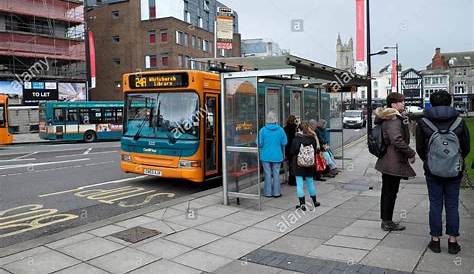
Transport in Cardiff includes buses, trains, cycling, and walking options, making it easy for visitors to navigate the city. Understanding these transport systems will help you explore Cardiff efficiently, whether you're visiting landmarks or local cafés.
What transport options are available in Cardiff?
Cardiff offers several transport options for getting around. Buses are a popular choice, with a comprehensive network operated mainly by Cardiff Bus. They connect the city center to various suburbs, making it easy to reach your destination. Trains also serve Cardiff, linking the city to other locations in Wales and beyond, with the main station located at Cardiff Central. If you prefer a more active approach, cycling is encouraged, featuring numerous dedicated bike lanes and paths. Bike rental services, such as Nextbike, allow you to pick up and drop off bikes at various locations throughout the city. Finally, walking is a great way to explore Cardiff, especially in the city center, where many attractions are within close proximity.
How do I navigate the public transport system?
Navigating Cardiff’s public transport system is straightforward. For buses, download the Cardiff Bus app to check routes, schedules, and real-time updates. When boarding, you can pay with cash, but using a contactless card or purchasing a travel card for multiple journeys is often more convenient. For trains, schedules can be found on the Transport for Wales website or app. You can buy tickets at the station or online. It's wise to book in advance if you're traveling during peak times and remember to validate your ticket before boarding to avoid fines.
Are there alternatives to public transport?
Walking and cycling are excellent alternatives to public transport in Cardiff. The city is pedestrian-friendly, particularly in the center, where you can enjoy leisurely walks to visit shops, parks, and dining spots. For cycling, Cardiff features several designated paths. The Taff Trail is a popular cycling route along the River Taff, offering a scenic ride from Cardiff to Brecon. Bike rentals through services like Nextbike provide an easy way to find and rent bikes throughout the city. Simply download their app, locate a bike near you, and enjoy your ride!
What are the costs associated with different transport modes?
Costs for transport in Cardiff vary depending on your chosen mode. Bus fares typically range from £1.50 for a single journey to around £4 for a day pass, which allows unlimited travel on buses for the day. Train tickets depend on your destination, with local journeys often costing between £3 and £5. If you plan to cycle, renting a bike through Nextbike costs around £1 for the first 30 minutes, and then 50p for each additional 30 minutes. Some costs may be lower if you purchase a travel card or take advantage of discounts available for students or seniors.
Conclusion
With these transport options, you can explore Cardiff at your own pace. Whether you choose the convenience of buses and trains or the freedom of cycling and walking, there’s a mode of transport to suit your needs. Planning your routes ahead of time will help you make the most of your visit.
Frequently Asked Questions
What is the best way to get from Cardiff Airport to the city center?
The most convenient way to get from Cardiff Airport to the city center is via the T9 bus service, which runs regularly and takes about 30 minutes.
Are there any discounts available for public transport in Cardiff?
Yes, discounts are available for students, seniors, and families on bus and train fares. Check specific transport websites for further details.
Is it safe to walk or cycle in Cardiff?
Yes, Cardiff is generally safe for walking and cycling, with dedicated paths and a well-lit city center. Just be mindful of traffic rules and pedestrian areas.
How late do buses and trains run in Cardiff?
Buses in Cardiff typically run until around midnight, while trains may have varied schedules. It's best to check the timetable for your specific route.