What You Need to Know About Transit Police and Your Rights
If you're a daily commuter, you might feel anxious about encountering transit police during your travels. However, it's helpful to understand that their primary role is to maintain safety and enforce laws on public transportation systems. They are there to help you and ensure a secure environment, not just to impose rules.
What do transit police actually do?
Transit police focus on maintaining safety and security in public transport systems. Their responsibilities include monitoring passenger behavior on trains, buses, and at stations, as well as responding to incidents of crime or disturbances. They engage in crime prevention through patrols, which provide a visible presence that can deter criminal activity. In emergencies, such as medical situations or evacuations, transit police offer support and guidance to passengers. While their main focus is safety, they also enforce transportation rules, including fare payment and appropriate behavior, which may lead to interactions with commuters.
When might I encounter transit police?
You may encounter transit police in various situations. They often conduct routine checks, boarding trains or buses to ensure passengers have valid tickets or passes. If there's an emergency, such as a medical issue or a safety concern, they will be present to help manage the situation. Transit police might also respond to fare evasion incidents and investigate accordingly. Additionally, during special events, their presence increases to ensure everyone's safety. These encounters are intended to create a secure environment for all commuters.
What are my rights when stopped by transit police?
If you are approached by transit police, you have specific rights during the interaction. You have the right to remain silent and are not obligated to answer questions if you choose not to. You may also ask if you are free to leave. If you feel that your rights are being violated, you can calmly express your concerns about the interaction. You have the right to request identification from the police if you doubt their authority. Remaining calm and respectful can help de-escalate the situation.
How should I respond if approached by transit police?
If transit police approach you, it's best to stay calm and respectful. Politely ask why you are being stopped and listen to their explanation. If they request your identification or ticket, provide it without confrontation. Maintaining a neutral tone and avoiding raised voices can help keep the interaction peaceful. If you're unsure about their requests, it's acceptable to ask for clarification. Your demeanor can significantly influence how the encounter unfolds, so staying composed is essential.
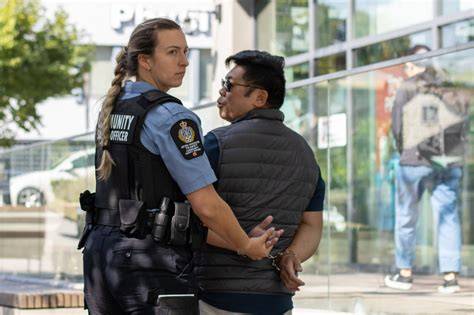
What to do if I feel treated unfairly by transit police?
If you believe you have been treated unfairly by transit police, take steps to address the situation. Document the incident as soon as possible, noting details like the time, location, and names or badge numbers of the officers involved. You can file a complaint through the transit authority's official channels, which typically include online forms or customer service lines. Including all relevant information and any evidence, such as photos or witness statements, will support your case. Seeking recourse can help ensure accountability and improve future interactions.
Conclusion
To feel more confident during encounters with transit police, familiarize yourself with their roles and your rights. When approached, respond calmly and respectfully, and don’t hesitate to assert your rights if necessary. Clear communication leads to better understanding on both sides. If you ever feel unjustly treated, remember your options for filing a complaint to advocate for yourself.
Frequently Asked Questions
What should I do if I see transit police on my train?
If you see transit police on your train, remain calm and continue your journey. They may be conducting routine checks or ensuring everyone's safety. If they approach you, be polite and provide any requested information.
Can transit police search my bag without my permission?
Transit police generally need probable cause or your consent to search your bag. If they ask to search, you can respectfully inquire if you are required to comply. Knowing your rights can help you handle such situations.
What happens if I don't have a ticket when approached by transit police?
If you don’t have a ticket when approached by transit police, they will likely ask for your identification and may issue a citation. It's important to be honest and cooperative during the interaction.
Are there consequences for refusing to answer questions from transit police?
Refusing to answer questions from transit police may lead to further questioning or potential detention, depending on the situation. It's usually best to remain polite while asserting your right to remain silent.
How can I file a complaint against transit police?
To file a complaint against transit police, check the transit authority's website for their complaint process. Most agencies provide online forms, phone numbers, or in-person options to submit your concerns.