Understanding the Life and Impact of Töregene Khatun
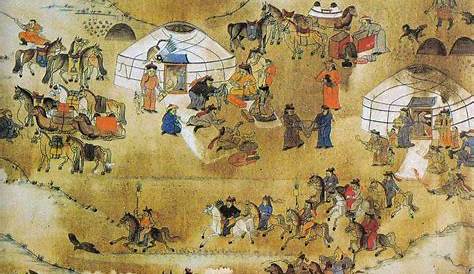
Töregene Khatun was a prominent figure in the Mongol Empire, serving as regent during a crucial period from 1241 to 1246. As the widow of Ögedei Khan, she rose to power after his death, navigating the male-dominated political landscape to maintain her family's influence. Her leadership not only shaped the empire's trajectory but also established a significant precedent for female authority in a time when such roles were rare.
Who was Töregene Khatun and why is she important?
Töregene Khatun was born around 1195 and became the wife of Ögedei Khan, the third son of Genghis Khan. Following Ögedei's death, she assumed the role of regent for her son, Güyük Khan. Her significance lies in her ability to wield power at a time when female leadership was uncommon. As regent, she managed vast Mongol territories and influenced succession politics and military campaigns, securing her family's legacy. Her tenure marked a rare moment when a woman held significant authority in the Mongol Empire, showcasing her political acumen and strength in a patriarchal society.
What were the major events during her regency?
During Töregene's regency from 1241 to 1246, several key events shaped the Mongol Empire. A pivotal moment was her role in the power struggle following Ögedei's death. She adeptly navigated the complexities of the ruling elite, ensuring her son Güyük was elected as the next Khan during a kurultai, or council of nobles, in 1246. Additionally, her regency saw military campaigns in Eastern Europe and the Middle East, continuing the empire's expansion initiated by her husband. Töregene's ability to maintain stability and orchestrate these military endeavors was crucial; it not only solidified Mongol power but also reinforced her authority as a leader.
How did her relationship with Güyük Khan influence her reign?
Töregene Khatun's relationship with her son Güyük was central to her reign. She played a vital role in securing his position as Khan, using her influence to garner support among the Mongol nobility. Their bond was complex; while she was a devoted mother, she also faced the challenges of ruling alongside him. Güyük's ascension to power in 1246 meant that Töregene's political strategies and decisions directly influenced his reign. However, their relationship occasionally strained as Güyük's ambitions sometimes conflicted with her wishes. This dynamic illustrates how familial ties could both strengthen and complicate governance in the Mongol Empire.
What challenges did she face as a female leader?
As a female leader in the Mongol Empire, Töregene Khatun encountered significant challenges. The patriarchal society often viewed women as subordinate, making her rise to power remarkable. She faced opposition from rival factions within the ruling elite and societal norms that limited female authority. Critics often questioned her legitimacy, and her decisions were scrutinized more harshly than those of her male counterparts. Despite these obstacles, Töregene skillfully leveraged her familial connections and political savvy to solidify her position. Her reign highlighted the difficulties women faced in leadership roles, yet she managed to leave a lasting impact.
What is her legacy in Mongolian history?
Töregene Khatun's legacy is multifaceted. She is remembered as one of the few women to hold significant power in a major empire during the medieval period. Her regency set a precedent for future female leaders in Mongolia and beyond, showcasing how women could influence governance. Historians often reflect on her leadership as a blend of political strategy and maternal devotion, effectively demonstrating that women could wield power. Today, she is celebrated in various forms of literature and cultural narratives, symbolizing female strength and resilience in a historical context where such representation was rare.
Conclusion
To appreciate Töregene Khatun's impact, explore her role as a regent and the political strategies she employed. Consider how her relationship with Güyük Khan shaped her reign and the future of the Mongol Empire. Recognizing her contributions enriches our understanding of Mongolian history and challenges the notion that women lacked power. Töregene stands as a pioneering force who navigated a turbulent political landscape with remarkable skill.
Frequently Asked Questions
What was Töregene Khatun's role in the Mongol Empire?
Töregene Khatun served as regent after the death of her husband, Ögedei Khan, from 1241 to 1246. She played a crucial role in maintaining stability and influencing succession politics, ensuring her son Güyük Khan was elected as the next leader.
How did Töregene Khatun influence the succession of Güyük Khan?
Töregene was instrumental in securing Güyük's position as Khan by rallying support among the Mongol nobility during the kurultai in 1246. Her political maneuvering was essential for his ascension to power.
What challenges did Töregene Khatun face due to her gender?
Töregene faced significant challenges as a female leader, including societal norms that limited women's authority and opposition from male rivals. Her decisions were often scrutinized more harshly than those of male leaders, making her achievements even more remarkable.
How is Töregene Khatun remembered in history?
Töregene Khatun is remembered as a pioneering female leader in the Mongol Empire. Her legacy is celebrated for demonstrating women's potential in leadership roles, influencing future generations and inspiring narratives about female power.
What were some key events during Töregene Khatun's regency?
Key events during her regency included her role in the power struggle following Ögedei's death and her influence over military campaigns that continued the Mongol Empire's expansion in Eastern Europe and the Middle East.