A Detailed Timeline of Shipbuilding on the River Wear
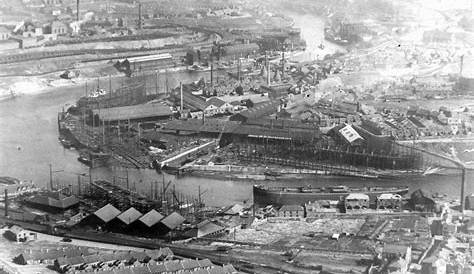
The River Wear has played a crucial role in the history of shipbuilding in Northeast England, marked by significant milestones and innovations. Notable shipyards along the river contributed to the development of the industry, manufacturing various types of vessels that shaped maritime trade. This timeline highlights the evolution of shipbuilding practices and their lasting impact on local communities.
What are the key milestones in the shipbuilding timeline?
The history of shipbuilding on the River Wear dates back to the 18th century, with several important shipyards established during this time. One of the earliest milestones occurred in 1745, when the first recorded ship was built at the river. The industry flourished throughout the 19th century, notably with the founding of William Doxford & Sons in 1855, renowned for constructing large vessels such as cargo ships and passenger liners. The launch of the SS Wear in 1864 was a significant event, showcasing advancements in design and construction techniques. Despite the decline of shipbuilding in the mid-20th century due to competition and changing economic conditions, the river remained a site of shipbuilding activity until the late 20th century, when many shipyards closed and the industry underwent a major transformation.
Who were the main players in the shipbuilding industry?
Major players in the shipbuilding industry along the River Wear included Doxford's, which specialized in larger vessels and became one of the most prominent shipbuilders in the UK. Founded by William Doxford, this yard built a reputation for quality and innovation. Another key yard was the Sunderland Shipbuilding Company, known for constructing warships and merchant vessels. The North East Marine Engineering Company and the Palmers Shipbuilding and Iron Company also significantly contributed to the region's industrial growth. Each of these shipyards not only influenced shipbuilding practices but also impacted the local economy and employment opportunities.
How did technological advancements change shipbuilding?
Technological advancements significantly transformed shipbuilding practices on the River Wear. The introduction of steam power in the early 19th century revolutionized ship design and construction, leading to faster and more powerful vessels. By the late 19th century, metal hulls began to replace wooden ones, particularly with the adoption of iron and later steel, enhancing durability and enabling the construction of larger ships. Innovations such as rivets and welding techniques changed assembly methods, increasing efficiency and safety. As these technologies evolved, shipyards adapted by shifting focus from smaller, traditional boats to larger, more complex vessels, reflecting broader changes in the industry.
What were the socio-economic impacts of shipbuilding on the region?
Shipbuilding on the River Wear had profound socio-economic impacts on the local area. The industry created thousands of jobs not only in the shipyards but also in related sectors such as engineering, manufacturing, and supply chains. Communities around the river experienced population growth and increased prosperity during the peak of shipbuilding activity. However, the industry's decline in the late 20th century resulted in significant job losses and economic challenges, affecting many families. Today, the legacy of shipbuilding is still visible, with ongoing efforts to revitalize the area and adapt to new industries while honoring its maritime heritage.
What is the current state of shipbuilding on the River Wear?
Today, shipbuilding on the River Wear is not as prominent as it once was, but some operations continue in various forms. Certain shipyards have transitioned to specialized work, focusing on smaller vessels or repairs and maintenance. The area has also diversified into marine engineering and technology sectors to meet modern demands. While the grand shipyards of the past have largely disappeared, the river still supports maritime activities, and the local community takes pride in its shipbuilding heritage.
Conclusion
To appreciate the timeline of shipbuilding on the River Wear, it's essential to explore the history of key shipyards and their contributions. Understanding how technological advancements influenced industry practices will provide a clearer picture of the region's industrial past and its ongoing evolution.
Frequently Asked Questions
What was the significance of William Doxford & Sons?
William Doxford & Sons was a pivotal shipyard on the River Wear, known for its large vessels and innovative designs. Founded in 1855, it became one of the most prominent shipbuilders in the UK, contributing significantly to the maritime industry.
When did shipbuilding on the River Wear decline?
Shipbuilding on the River Wear began to decline in the mid-20th century due to increased competition and economic shifts. Many shipyards closed by the late 20th century, leading to a significant reduction in local shipbuilding activity.
What types of ships were built on the River Wear?
Shipyards along the River Wear primarily built cargo ships, passenger liners, and warships. The introduction of steam power and metal hulls allowed for the construction of larger and more complex vessels.
How did shipbuilding impact local communities?
Shipbuilding provided substantial employment and economic growth for local communities along the River Wear, fostering population increases and prosperity during its peak. However, the industry's decline resulted in job losses and economic challenges.
Is there still shipbuilding on the River Wear today?
Yes, while traditional shipbuilding has largely diminished, some operations continue, focusing on smaller vessels and marine engineering. The area has adapted to modern challenges, diversifying into related industries.