Understanding the Swedish Invasion of Russia
The Swedish invasion of Russia, which occurred during the Great Northern War from 1700 to 1721, was a significant military campaign aimed at expanding Sweden's territory and influence in the Baltic region. This conflict arose as Sweden sought to counter the growing power of Russia under Peter the Great, ultimately reshaping the balance of power in Europe and impacting future relations between the two nations.
What prompted Sweden to invade Russia?
Sweden's motivations for invading Russia were primarily political and economic. At the turn of the 18th century, Sweden was a dominant power in Northern Europe but faced threats from neighboring countries, particularly Russia, which was emerging as a formidable force under Peter the Great. Sweden sought to secure its territories and maintain its influence in the Baltic Sea region.
Additionally, the desire to control trade routes and access resources played a crucial role. The expansion of Russian territory threatened Swedish trade interests, particularly in the lucrative fur trade and maritime commerce. By invading Russia, Sweden aimed to preemptively weaken its rival, ensuring its own security and prosperity. The alliance between Russia and other regional powers, such as Denmark and Poland, further motivated Sweden to act decisively before its position deteriorated.
Key battles of the invasion
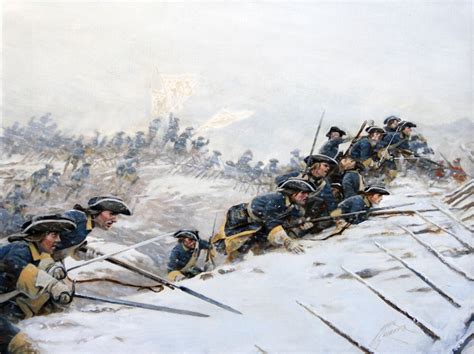
The invasion of Russia involved several key battles, with the Battle of Narva in 1700 being one of the most notable. In this battle, Swedish forces, under King Charles XII, faced a much larger Russian army commanded by Tsar Peter the Great. Despite being outnumbered, the Swedes achieved a stunning victory, showcasing their military prowess and tactical superiority.
However, the tide of war shifted in subsequent years. The Battle of Klissow in 1702 and the Battle of Poltava in 1709 were critical turning points. At Poltava, the Swedish army suffered a catastrophic defeat, resulting in significant losses of troops and resources. This defeat marked the decline of Swedish dominance in the region and set the stage for Russia's rise as a major European power.
Immediate consequences for both nations
The immediate consequences of the Swedish invasion were profound for both Sweden and Russia. For Sweden, the defeat at the Battle of Poltava was disastrous, resulting in the loss of its status as a leading military power in Europe. This defeat forced Sweden to shift its focus from expansion to consolidating its remaining territories.
On the other hand, Russia emerged from the conflict significantly strengthened. The victory at Poltava not only boosted Russian morale but also empowered Peter the Great to continue his reforms aimed at modernizing the military and government. As a result, Russia began to assert itself more aggressively in international affairs, laying the groundwork for its future expansion.
Long-term implications of the invasion
The long-term implications of the Swedish invasion of Russia were significant in shaping the geopolitical landscape of Europe. The failure of Sweden to maintain its empire marked the end of the Swedish Empire's influence, leading to a gradual decline in its power and territory.
Conversely, Russia's victory heralded its emergence as a major European power. The conflict facilitated Peter the Great's extensive reforms and modernization efforts, transforming Russia into a formidable state. In the decades that followed, the relationship between Sweden and Russia evolved, characterized by periods of hostility and attempts at reconciliation, ultimately influencing the alliances and conflicts that would shape European politics in the centuries to come.
Conclusion
Understanding the Swedish invasion of Russia provides valuable insight into the shifting dynamics of power in early 18th-century Europe. The consequences of this conflict not only affected the two nations involved but also had lasting effects on the broader geopolitical landscape, setting the stage for future conflicts and alliances.
Frequently Asked Questions
What was the Great Northern War?
The Great Northern War (1700-1721) was a conflict in which a coalition of powers, led by Russia, Denmark-Norway, and Saxony, sought to challenge the dominance of Sweden in Northern Europe.
Who were the key figures in the invasion?
Key figures included King Charles XII of Sweden, who led the Swedish forces, and Tsar Peter the Great of Russia, who aimed to expand Russian territory and influence.
What were the main outcomes of the invasion?
The main outcomes included the decline of Swedish power, the rise of Russia as a major European power, and significant changes in the balance of power in Northern Europe.
Did the invasion have any cultural impacts?
Yes, the invasion and subsequent conflicts influenced cultural exchanges between Sweden and Russia, as well as the development of national identities within both countries.