Understanding the State Council of Crimea and Its Role
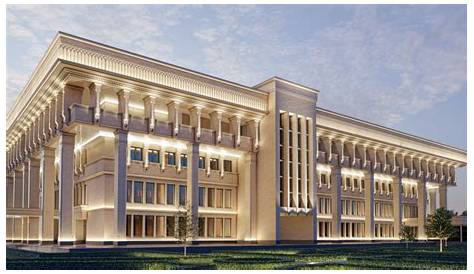
The State Council of Crimea is the highest legislative authority in the Republic of Crimea, established after Russia's annexation of Crimea in 2014. Its primary role is to govern local affairs and implement laws that directly impact the lives of Crimean residents.
What is the State Council of Crimea?
The State Council of Crimea, also known as the Council of Ministers of Crimea, was originally formed in 1991 but gained significant prominence after the 2014 annexation by Russia. Its establishment marked a pivotal shift in governance, transitioning from Ukraine's administrative structure to operating under Russian jurisdiction. This change has reshaped Crimea's political scene, aligning the council's objectives with Russian political interests and governance models.
Key functions and responsibilities
The State Council is responsible for various key functions, including legislative activities, budget approval, and oversight of local government operations. For example, it creates laws governing multiple aspects of life in Crimea, such as education and healthcare. Additionally, the council manages regional budgets and ensures local government entities comply with both Crimean and federal legislation. It also acts as a bridge between residents and the Russian federal government, representing local interests.
How does the State Council interact with the Russian Federation?
The State Council operates within the framework established by the Russian Federation, meaning its legislative powers are influenced by federal laws. While it can enact laws specific to Crimea, those laws must not contradict federal legislation. This relationship complicates local governance, as decisions made by the council often reflect the priorities of the Russian Federation, which can limit its autonomy.
Implications of the State Council's decisions
The decisions made by the State Council significantly impact local governance and the daily lives of Crimean residents. Changes in local laws—such as those concerning property rights or business regulations—can directly affect economic opportunities in the region. Some residents feel that the council prioritizes Russian interests over local needs, creating tensions between the government and the populace. While there is a common misconception that the State Council enjoys full autonomy, it is, in reality, heavily influenced by the Russian government.
Recent developments in the State Council
Recent developments have included various controversies, particularly concerning the council's role in implementing federal policies that some residents oppose. Notably, disputes over land use and property rights have led to protests. Moreover, the international community continues to scrutinize the legitimacy of the State Council's actions, often viewing them as part of an ongoing geopolitical conflict rather than legitimate local governance.
Conclusion
Understanding the State Council of Crimea is essential for comprehending the complexities of governance in contested territories. As the political dynamics evolve, staying informed about the council's activities and their implications can shed light on broader issues affecting Crimea and its residents.
Frequently Asked Questions
What powers does the State Council of Crimea have?
The State Council has the authority to enact laws, oversee local government operations, and manage the regional budget, but it must ensure its actions align with federal Russian laws.
How has the State Council's role changed since 2014?
Since the annexation in 2014, the State Council has adapted to reflect Russian governance structures, increasing its direct influence from the Russian Federation.
Are the decisions of the State Council accepted by the international community?
No, many countries and international organizations do not recognize the legitimacy of the State Council's decisions due to Crimea's contested status.
What kind of controversies surround the State Council?
Controversies often revolve around issues like land use, property rights, and perceived prioritization of Russian interests over local needs.