Understanding Social Media Use in the Philippines
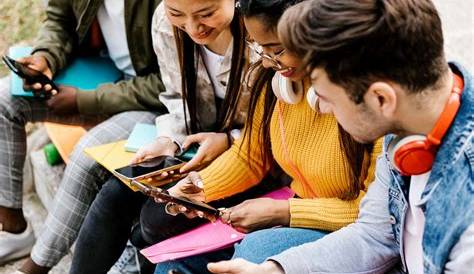
As a Filipino student, social media is likely a significant part of your daily life. With around 76 million active users in the Philippines, it influences how you communicate and engage with your culture. Understanding its impact can help you navigate your social interactions and recognize the broader cultural implications.
How prevalent is social media in the Philippines?
Social media use in the Philippines ranks among the highest globally, with about 71% of the population engaging daily. Approximately 76 million Filipinos are active users, spending an average of four hours online each day, primarily for news, entertainment, and social interaction. This usage encompasses a broad range of demographics, with students and young professionals making up a significant portion. However, interactions with social media can differ greatly based on age, location, and individual preferences. Some users focus on personal connections, while others concentrate on professional networking or advocacy.
What drives social media engagement among Filipinos?
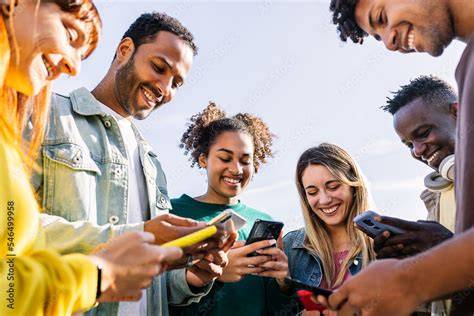
Cultural factors significantly influence social media engagement in the Philippines. The concept of 'Bayanihan', which emphasizes communal unity, encourages many to connect and share experiences online. Strong family ties and friendships motivate Filipinos to maintain digital connections, especially with relatives living abroad. Celebrations such as birthdays and holidays are often shared on these platforms, fostering a sense of community. The widespread availability of mobile internet has made it easier for people across various backgrounds to engage online, from urban centers to rural areas. Nonetheless, this accessibility can also highlight the digital divide, affecting how different groups experience and utilize social media.
How does social media affect mental health in the Philippines?
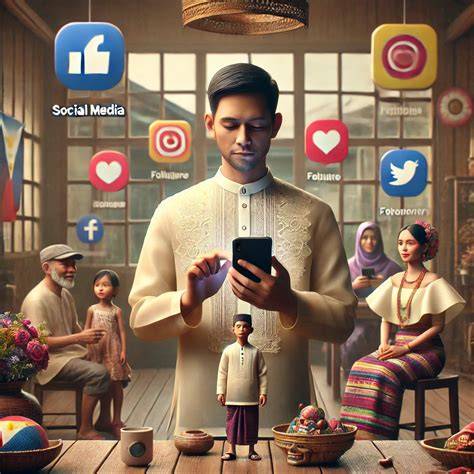
The relationship between social media and mental health in the Philippines is multifaceted. On one side, it provides a platform for connection and support, allowing individuals to share experiences and seek help from peers. Many people have found communities focused on mental health awareness through these platforms. Conversely, social media can lead to issues like cyberbullying, unrealistic comparisons, and anxiety, particularly among younger users. Local studies indicate that students often feel pressured to maintain a perfect online image, which can intensify feelings of inadequacy. Being aware of how social media affects your mental health is crucial, and striving for a balance that promotes well-being is important.
What role does social media play in local movements and advocacy?
Social media serves as a vital tool for local movements and advocacy in the Philippines. Platforms such as Facebook and Twitter have enabled grassroots organizing, allowing activists to mobilize quickly and effectively. Recent movements focused on social justice and environmental awareness have gained momentum through viral campaigns and hashtags that resonate with youth. These platforms amplify voices that might otherwise remain unheard, facilitating community engagement around important causes. However, while social media can drive advocacy, ensuring that online movements lead to real-world action remains a challenge. Misinformation can spread rapidly, complicating efforts to promote positive change. Therefore, critical engagement is necessary to maximize social media's potential for community empowerment.
What are the future trends in social media use in the Philippines?
Several trends may influence the future of social media use in the Philippines. The growth of video content, particularly on platforms like TikTok, signals a shift in how users prefer to consume information. Short, engaging videos are becoming increasingly popular for storytelling and communication. As more Filipinos gain internet access, especially in rural areas, we may see a rise in diverse voices and content shared online. Additionally, concerns about privacy and a growing awareness of mental health issues may shape how users interact with these platforms, potentially leading to a more mindful social media approach. Platforms are likely to evolve to meet the needs and preferences of Filipino users, creating new opportunities for connection and engagement.
Conclusion
Reflect on your own social media habits and consider their influence on your daily life, relationships, and mental well-being. Explore ways to engage more thoughtfully, such as curating your feed or setting time limits for online activities. Recognizing the power of social media can help you foster positive connections and advocate for your community.
Frequently Asked Questions
What are the most popular social media platforms in the Philippines?
Facebook is the most popular social media platform in the Philippines, followed by Instagram and Twitter. TikTok is rapidly gaining popularity, especially among younger users.
How does social media affect Filipino culture?
Social media enhances Filipino culture by improving communication and community engagement. It facilitates the sharing of cultural traditions and celebrations, strengthening national identity and connection.
What are common issues faced by Filipinos on social media?
Common issues include cyberbullying, misinformation, and the pressure to maintain a perfect online image. Many Filipinos also encounter challenges related to privacy and data security.
How can I use social media positively?
You can use social media positively by following inspiring accounts, engaging in meaningful discussions, and supporting local causes. Taking breaks and being mindful of your online presence is also beneficial.
Are there any local movements that have gained traction through social media?
Yes, various local movements focused on environmental advocacy and social justice have gained significant attention and support through social media platforms, mobilizing communities for action.