Understanding the Shivakumar Ministry: Key Changes
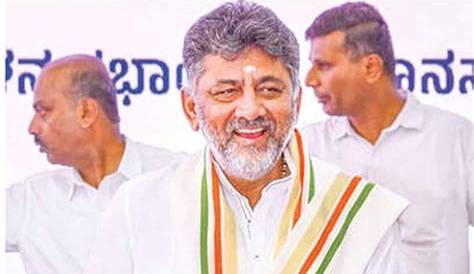
The Shivakumar ministry is the governing body of Karnataka led by D.K. Shivakumar, formed in response to the recent assembly elections. This government aims to tackle critical political and social issues, reflecting a coalition of parties and significant shifts in the state's political dynamics.
What is the Shivakumar ministry and why was it formed?
The Shivakumar ministry was established after the Indian National Congress (INC) successfully reclaimed power from the Bharatiya Janata Party (BJP) during the recent assembly elections. Its main goal is to implement policies that align with the electorate's needs, focusing on development, social justice, and economic revitalization. The formation addresses the demand for a stable government capable of tackling unemployment, agricultural distress, and infrastructure improvement.
Who is D.K. Shivakumar and what are his political credentials?
D.K. Shivakumar is a prominent politician and a senior leader of the Indian National Congress party. He has held various important roles in the Karnataka government, including Minister of Energy and Minister of Rural Development and Panchayat Raj. His political career includes substantial contributions to infrastructure projects and social welfare programs. For example, as the Energy Minister, he played a vital role in maintaining the state's power supply stability, which is crucial for both urban and rural communities.
What are the main policies and initiatives announced?
The Shivakumar ministry has proposed several key policies aimed at addressing both immediate and long-term challenges. Notable initiatives include:
- Agricultural Support: Enhancements to crop insurance and direct financial assistance for farmers.
- Employment Generation: Skill development programs focused on increasing job opportunities for youth.
- Healthcare Improvements: Expansion of healthcare services in rural areas through increased healthcare facilities.
- Infrastructure Development: Plans to enhance roads, public transport, and sanitation facilities throughout the state.
What challenges does the Shivakumar ministry face?
The new ministry is likely to face several challenges, including:
- Opposition from Rival Parties: The BJP remains a strong political force and may oppose the policies of the Shivakumar government, potentially leading to political instability.
- Coalition Dynamics: Managing relationships within the coalition government may be complex, as differing agendas among partners can arise.
- Public Expectations: High expectations from the electorate regarding rapid policy implementation may lead to dissatisfaction if progress is slower than anticipated.
How does the Shivakumar ministry compare with previous administrations?
When comparing the Shivakumar ministry to previous administrations, several differences become apparent. The focus of the Shivakumar government on inclusive development and social welfare contrasts with the previous BJP-led administrations, which prioritized infrastructure and industrialization. For instance, while earlier governments may have concentrated on urban development projects, the Shivakumar ministry emphasizes rural welfare and agricultural support, reflecting a shift in political priorities based on voter sentiment.
Conclusion
To stay updated on the developments within the Shivakumar ministry, follow the government's announcements and policy implementations. Engaging in local political discussions can also provide valuable insights into how these changes impact your community and the state as a whole.