Discover the School of International Relations at Saint Petersburg State University
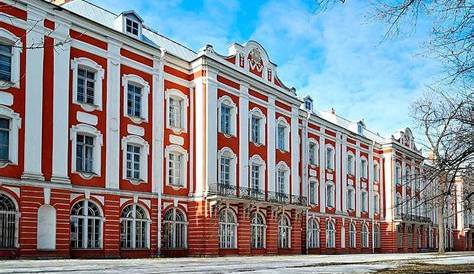
If you're considering specializing in international relations, the School of International Relations at Saint Petersburg State University is an excellent option. Established in 1933, it's one of Russia's oldest and most respected institutions in this field. Known for its strong academic programs and influential alumni, the school prepares students for impactful careers in global affairs.
What makes the School of International Relations unique?
The School of International Relations at Saint Petersburg State University has historical significance and a legacy in shaping the study of international relations in Russia and beyond. The faculty consists of experts with extensive backgrounds in politics, diplomacy, and international law, creating a rich learning environment. Notable alumni, including prominent diplomats and figures in international organizations, reflect the school’s commitment to excellence. Its rigorous academic programs and distinguished faculty contribute to its high standing in global rankings, making it a respected choice for prospective students.
What programs can I choose from?
The school offers a variety of undergraduate and graduate programs tailored to various aspects of international relations. The undergraduate program provides a solid foundation in political science, history, and economics. At the graduate level, specialized master's programs focus on areas such as international law, global security, and diplomacy. Unique specializations, including conflict resolution and international economic relations, are designed to meet current job market demands. These programs equip you with both theoretical knowledge and practical skills necessary for a successful career in international relations.
How do I apply, and what are the requirements?
Applying to the School of International Relations involves several clear steps. First, gather your academic credentials, including transcripts and diplomas. Undergraduate applicants need a high school diploma or equivalent, while graduate programs typically require a bachelor's degree. You must also submit a personal statement detailing your interest in international relations and any relevant experience. The application process usually opens in the spring, with specific deadlines that vary by program. To strengthen your application, highlight academic achievements, language skills, and relevant extracurricular activities or work experience.
What opportunities for practical experience are available?
The school emphasizes practical experience alongside academic learning. Students can engage in internships with international organizations, government agencies, and NGOs, gaining valuable real-world insights. The school has partnerships with various institutions, enabling students to gain hands-on experience in diplomacy and international cooperation. Additionally, opportunities for fieldwork, such as participating in conferences or research projects, enhance understanding of global issues. These experiences not only enrich your education but also expand your professional network, which is crucial for future job opportunities.
What do graduates of the program go on to do?
Graduates of the School of International Relations pursue diverse careers in fields such as diplomacy, international law, and global business. Many work for government agencies, international organizations like the UN, or private sector firms involved in international trade and relations. Success stories include alumni who have held high-ranking positions in foreign ministries or have become influential advisors on international policy. The school’s strong reputation and extensive alumni network provide valuable connections that can help you secure a position in your desired field after graduation.
Conclusion
To explore the opportunities at the School of International Relations, review their programs to find one that aligns with your career goals. Pay close attention to application deadlines and ensure your materials effectively showcase your strengths. Successfully gaining admission to a program that fits your interests can lead to meaningful professional experiences in international relations.
Frequently Asked Questions
What is the application process for the School of International Relations?
The application process involves submitting your academic credentials, a personal statement, and possibly letters of recommendation. Requirements can vary between undergraduate and graduate programs.
Are there scholarships available for international students?
Yes, the School of International Relations offers various scholarships and financial aid options for both domestic and international students. It's advisable to check their official website for specific details and eligibility.
What languages are the courses taught in?
Courses are primarily taught in Russian, but there are also programs available in English, especially at the graduate level. Check the program details for language options that suit you.
Can I study abroad during my program?
Yes, the school has partnerships with several international universities, allowing students to participate in exchange programs or summer schools abroad.
What extracurricular activities does the school offer?
The school provides various extracurricular activities, including debate clubs, student organizations focused on international issues, and opportunities to participate in conferences related to global affairs.