Understanding Raghunatha Nayak's Impact on South India
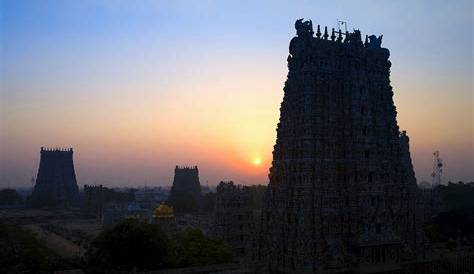
Raghunatha Nayak was a pivotal ruler in the Nayak dynasty, known for his significant contributions to governance, art, and architecture in South India during the 17th century. His reign from 1600 to 1634 was marked by stability and prosperity, which allowed Madurai to flourish as a center of trade and culture. By exploring his achievements, we can better understand how he influenced the political and cultural landscape of the region.
Who was Raghunatha Nayak and why is he important?
Raghunatha Nayak ruled from 1600 to 1634 and was the last notable ruler of the Nayak dynasty in Madurai. His importance extends beyond administrative skills; he consolidated power during a politically turbulent time. Succeeding his father, Muttu Vijaya Nayak, he focused on strengthening the Nayak rule against external threats, especially from the Mughals and Portuguese. His reign is defined by stability that fostered cultural and economic growth, establishing Madurai as a vibrant trade and cultural hub, making him a crucial figure in South Indian history.
What were his major achievements during his reign?
Raghunatha Nayak made several noteworthy contributions, particularly in governance and cultural patronage. He established a more organized administrative framework that enhanced tax collection and public welfare. His policies promoted agriculture and trade, significantly boosting the local economy. As a patron of the arts, he encouraged literature, music, and dance, leading to the revival of classical Tamil literature and a broader cultural renaissance. His reign also saw the construction of numerous temples and public buildings, which enriched the cultural landscape of Madurai and reflect the artistic achievements of the Nayak period.
How did Raghunatha Nayak influence art and architecture?
Under Raghunatha Nayak's patronage, art and architecture thrived in Madurai. He is particularly known for his enhancements to the Meenakshi Temple, adding intricate sculptures and impressive gopurams (towering entrances), making it a central place of worship and a symbol of Nayak artistry. Raghunatha Nayak also promoted the construction of other temples and public structures showcasing Dravidian architectural styles, leading to the emergence of a distinctive Nayak style characterized by elaborate carvings and vibrant frescoes. This flourishing artistic environment attracted craftsmen from various regions, fostering a rich artistic community.
What were the challenges he faced as a ruler?
Despite his successes, Raghunatha Nayak encountered significant challenges. He faced external threats from the Mughal Empire, which sought to expand its influence in South India, leading to military confrontations that strained his resources. Internally, he dealt with the complexities of managing a diverse population with varying religious and cultural backgrounds. Additionally, economic pressures arose from fluctuating trade relations with European powers like the Portuguese and Dutch. These challenges necessitated strategic alliances and military diplomacy to maintain stability in his kingdom.
What is Raghunatha Nayak's legacy today?
Today, Raghunatha Nayak is celebrated for his profound contributions to the cultural and political fabric of South India. His promotion of the arts has left a lasting legacy, especially in Madurai, where many architectural marvels from his reign still stand. Historians and scholars continue to examine his impact on the Nayak dynasty and South Indian history, emphasizing his role in fostering a unique cultural identity. Cultural events in Madurai often commemorate his influence, showcasing traditional art forms nurtured during his rule.
Conclusion
To appreciate Raghunatha Nayak's impact, explore the architectural wonders of Madurai, particularly the Meenakshi Temple. His governance strategies contributed to economic stability and cultural growth in South India. Understanding his legacy provides insights into the regional dynamics that shaped modern South Indian identity.
Frequently Asked Questions
What was the significance of Raghunatha Nayak's rule?
Raghunatha Nayak's rule was significant for consolidating power in the Nayak dynasty and fostering cultural and economic growth in South India, particularly in Madurai.
How did Raghunatha Nayak contribute to the arts?
He significantly contributed to the arts by patronizing literature, music, and dance, leading to a cultural renaissance in Tamil literature and the construction of notable temples.
What challenges did Raghunatha Nayak face during his reign?
He faced challenges from external threats like the Mughals, internal governance complexities, and economic pressures from fluctuating trade relations with European powers.
What remains of Raghunatha Nayak's legacy today?
Raghunatha Nayak's legacy lives on through the architectural marvels in Madurai and continued celebrations of the cultural forms that flourished during his reign.
How did Raghunatha Nayak influence Madurai's development?
His governance strategies and cultural patronage transformed Madurai into a vibrant center of trade, art, and religious devotion, leaving a lasting impact on its development.