Understanding the New Yam Festivals in Nigeria
If you grew up in Nigeria and now live abroad, you may be feeling nostalgic for home traditions like the New Yam Festival. This annual celebration, which marks the beginning of the yam harvest, is significant for many Nigerian communities. It represents a time for gratitude, community bonding, and honoring ancestors, offering a way to reconnect with your roots and appreciate the customs that shape Nigerian identity.
What is the New Yam Festival and why is it important?
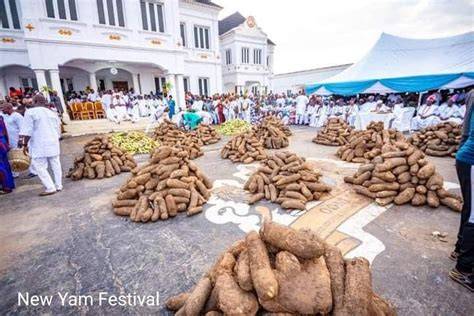
The New Yam Festival, known locally as "Iri ji ohu" or "Iwa ji", is a major cultural event celebrated primarily by the Igbo people of Nigeria. Typically occurring in August during the yam harvest, this festival is more than a celebration of food; it symbolizes gratitude for a bountiful harvest and serves as an occasion for families and communities to gather. During this time, people honor their ancestors and deities, seeking blessings for the year ahead. The festival strengthens community ties, as many people return home to partake in the festivities, fostering a sense of unity and belonging. It’s a celebration of life, food, and culture, making it an essential component of Nigerian heritage.
How is the New Yam Festival celebrated across different regions?
Celebrations of the New Yam Festival vary across Nigeria, showcasing the rich diversity of its people. In southeastern Nigeria, particularly among the Igbo, the festival begins with the ceremonial offering of the first yam to the gods, followed by vibrant parades, traditional dances, and music. The Efik and Ibibio people in the southeastern coastal areas celebrate through the 'Ekpe' society, which features masquerades and performances that narrate ancestral stories. In the northern regions, while the festival may not focus specifically on yams, similar harvest celebrations occur, emphasizing communal feasting and cultural displays. Each community adds its unique customs to the festival, highlighting local art, music, and dance.
What traditional foods are associated with the New Yam Festival?
Food is central to the New Yam Festival, with yam being the highlight. Traditional dishes include boiled or roasted yam served with vegetable sauces like 'ofe nsala' or 'ofe akwu', which reflect local flavors. Other popular foods are 'nkwobi', a spicy cow foot dish, and 'ukodo', a yam and goat meat pepper soup. These meals carry cultural significance, as they are often prepared for communal sharing, reinforcing bonds among family and friends. Additionally, you might encounter local delicacies such as 'isi ewu' in the east and 'pepper soup' in the south, with each dish symbolizing abundance and joy during the harvest season.
What are the key rituals performed during the festival?
Rituals during the New Yam Festival are essential for honoring ancestors and deities. The festivities often start with a traditional priest or elder performing a sacrifice, typically the first yam of the harvest, which is offered to the gods as a gesture of gratitude. This act is accompanied by prayers and blessings for a prosperous year ahead. After the sacrifices, communal feasts take place where families and friends gather to share meals, dance, and celebrate together. Traditional music and dances, often featuring masquerades, enhance the festive atmosphere. These rituals connect participants to their heritage and cultural identity.
How can I participate in or celebrate the New Yam Festival?
To celebrate the New Yam Festival, consider engaging in various ways. If you’re in Nigeria during the festival, seek out local events in your community or return to your hometown to experience the rich traditions firsthand. You could also host your own gathering, preparing traditional yam dishes and inviting friends and family to join in the celebration. Participating in online communities or social media groups dedicated to Nigerian culture can also provide insights and connections with others celebrating the festival. If you’re abroad, consider creating a small celebration at home with traditional foods and music, which can be a meaningful way to honor your heritage. Remember, the essence of the festival lies in community, gratitude, and sharing, so focus on those elements as you celebrate.
Conclusion
To reconnect with the New Yam Festival, explore local events or online communities that celebrate Nigerian culture. You might consider hosting a small gathering featuring traditional foods and music, emphasizing the sharing of stories and experiences related to the festival. You don’t need to be in Nigeria to fully participate; the festival's essence revolves around gratitude and community, which can be embraced anywhere. This approach will help you feel a renewed connection to your roots and celebrate your heritage vibrantly.
Frequently Asked Questions
What is the origin of the New Yam Festival?
The New Yam Festival has roots in ancient agricultural practices among the Igbo people of Nigeria. It celebrates the first harvest of yams, which are a staple food and hold cultural significance.
Are there specific dates for the New Yam Festival?
The New Yam Festival typically takes place in August, but the exact dates can vary by community. Many families choose to celebrate on the weekend after the first full moon in August.
What role do masquerades play in the festival?
Masquerades are an integral part of the New Yam Festival, especially among the Igbo. They represent ancestral spirits and are involved in dances that tell stories, adding a vibrant cultural dimension to the celebrations.
Can non-Nigerians participate in the New Yam Festival?
Yes, non-Nigerians can participate in the New Yam Festival, especially if invited by friends or family. Celebrating with traditional foods and participating in communal activities can enhance the experience.
What is the significance of the first yam offered during the festival?
The first yam offered during the New Yam Festival symbolizes gratitude to the gods for a successful harvest. It is a way to seek blessings and ensure continued prosperity for the community.