Understanding the Themes and Impact of Mardi Gras
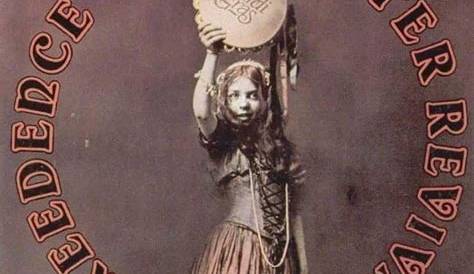
Creedence Clearwater Revival's 'Mardi Gras' album, released in 1972, features themes of Americana and nostalgia while showcasing a significant shift in the band's sound and songwriting approach. This album is notable for allowing all three band members to contribute equally, marking a departure from John Fogerty's dominant role. Its mixed reception highlights the complexities of audience expectations and the band's artistic evolution within their discography.
What are the main themes of the Mardi Gras album?
The main themes of 'Mardi Gras' revolve around Americana, nostalgia, and community. The songs often express a longing for simpler times and celebrate the American spirit, particularly in tracks like "Lookin' for a Reason" and "Tearin' Up the Country." These songs evoke feelings of remembrance, which align with the band's overall aesthetic. The album also represents a shift in sound, incorporating a more diverse range of musical influences compared to previous works. This change is evident in production choices and the blending of styles, which might not resonate with fans expecting the classic Creedence sound. While some listeners find the album lacks cohesion, it reflects the band's willingness to experiment and evolve artistically.
How was Mardi Gras received upon its release?
Upon its release, 'Mardi Gras' received mixed reviews from critics and fans. Some praised its ambitious blend of musical styles and its exploration of Americana, while others felt it did not meet the high standards set by earlier Creedence albums. Critics pointed out uneven songwriting and production quality, resulting in divided fan reactions. Some embraced the new direction, while others missed the band's earlier, more straightforward rock sound. The album reached number 12 on the Billboard 200 chart, indicating commercial success despite its critical reception. This contrast illustrates the complexities of audience expectations and the challenges of maintaining a cohesive artistic identity.
What makes Mardi Gras different from other Creedence albums?
'Mardi Gras' differs from other Creedence albums primarily due to its stylistic shifts and the significant involvement of all three band members in songwriting and lead vocals. Unlike previous albums where John Fogerty dominated, this album allows Doug Clifford and Stu Cook to contribute, resulting in a more varied sound. Tracks like "Hello Mary Lou" and "Take It Like a Friend" showcase different vocal styles and songwriting perspectives. The production also diverges from earlier works, featuring a more relaxed and less polished approach that some fans found refreshing while others viewed as a drawback. This blending of voices and styles creates an impression of inconsistency but also reflects the band's evolution and willingness to take creative risks.
What are some standout tracks and their meanings?
Several tracks on 'Mardi Gras' stand out for their lyrical content and musicality. "Lookin' for a Reason" is a reflective piece that captures the search for purpose, resonating with listeners who appreciate introspective lyrics. "Tearin' Up the Country" conveys a sense of urgency and frustration, driven by a catchy melody that contrasts with its weighty themes. Another notable track, "Hello Mary Lou," is a cover that embodies the album's playful spirit, showcasing the band's rock and roll roots while delivering an engaging narrative. Each of these songs contributes to the album's overall essence, blending nostalgia, personal reflection, and celebration of life, though opinions on their execution may vary.
What is the legacy of Mardi Gras today?
Today, 'Mardi Gras' holds a unique place in Creedence Clearwater Revival's legacy. While it may not be as celebrated as albums like 'Cosmo's Factory' or 'Bayou Country,' it is recognized for its bold departure from the band's established sound. Many contemporary musicians regard the album as an example of the importance of artistic exploration, even when it leads to mixed reception. Themes of Americana and nostalgia resonate in modern music, influencing artists across genres. As listeners revisit the album, they often discover new interpretations and appreciate its significance in the band's journey, viewing it as a representation of a band navigating change while connecting with its audience.
Conclusion
To appreciate 'Mardi Gras,' listen to the standout tracks and consider the thematic elements throughout the album. Rather than focusing on mixed reviews, explore the unique blend of voices and styles that define this work. This approach will deepen your understanding of how this album fits into the broader narrative of Creedence Clearwater Revival's career and its impact on future artists.
Frequently Asked Questions
Why is Mardi Gras considered a controversial album?
Mardi Gras is considered controversial due to its significant departure from the band's earlier sound and the distribution of songwriting among all three members. This shift led to mixed reviews, with some fans missing John Fogerty's dominant presence in the band's music.
What are the most popular songs from Mardi Gras?
Some of the most popular songs from 'Mardi Gras' include "Lookin' for a Reason," "Hello Mary Lou," and "Tearin' Up the Country." These tracks showcase a mix of nostalgia and celebration, resonating with listeners even today.
How did Mardi Gras perform commercially?
Commercially, 'Mardi Gras' reached number 12 on the Billboard 200 chart, indicating solid sales despite its mixed critical reception. This reflects a level of popularity that suggests many fans appreciated the album's unique qualities.
Is Mardi Gras a good starting point for new fans of Creedence Clearwater Revival?
While 'Mardi Gras' can be an interesting starting point for new fans, it may be better to begin with earlier albums like 'Bayou Country' or 'Cosmo's Factory.' These earlier works showcase the classic sound and are often more representative of the band's overall style.
What impact did Mardi Gras have on later music?
'Mardi Gras' influenced later artists by demonstrating the importance of artistic exploration and the blending of different musical styles. Its themes of Americana and nostalgia continue to resonate across various genres, shaping contemporary music.