What You Need to Know About the M6 Motorway
If you're driving on the M6, it's crucial to stay updated about recent delays and changes in routes. The M6 is one of the UK's busiest motorways, and current conditions can be challenging due to ongoing roadworks, accidents, and high traffic volumes during peak times. Knowing where congestion typically occurs and how to navigate it can help you reach your destination more efficiently.
What's causing the delays on the M6 right now?
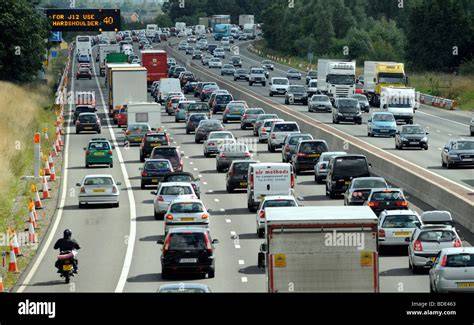
Delays on the M6 are largely due to various construction projects and routine maintenance work. Key areas of concern are around junctions 10 (Wolverhampton) and 12 (Cannock), where heavy traffic is common due to diversions and lane closures. Accidents and breakdowns further contribute to unexpected delays, especially during peak hours in the mornings and evenings. Always check real-time traffic updates before you set off, as conditions can change quickly. Many drivers mistakenly assume that traffic will be light or that familiar routes will be clear without verifying current conditions.
Which junctions should I be aware of?
Be particularly mindful of junctions 10 (Wolverhampton), 12 (Cannock), and 19 (Knutsford), where the M6 meets the A556. These junctions often experience significant congestion, especially during rush hour. To avoid these bottlenecks, consider alternative routes like the A5 or A34, which may provide smoother travel despite potentially taking longer due to traffic. Knowing these hot spots can help you plan your journey and reduce frustration.
What are the best alternative routes to take?
To steer clear of the M6 during busy periods, consider alternative routes. If you're heading north, the A49 runs parallel to the M6 and may serve as a viable option, although it could be slower due to lower speed limits and traffic signals. Conversely, if you're traveling south, the A5 can often be less congested. Utilizing local roads is another option, but be aware of potential delays in towns along those routes. Always keep a GPS or map handy to adjust your route based on real-time traffic updates.
How can I stay safe while driving on the M6?
Safety is paramount when driving on the M6, particularly during peak times. Adhere to speed limits, which can vary, and adjust your driving according to weather conditions. In rainy or foggy weather, maintain a greater following distance and reduce your speed. Keeping an emergency kit in your vehicle, including water, snacks, and a first-aid kit, is advisable in case you become stuck. Lastly, remain calm and patient in traffic; aggressive driving increases the risk of accidents.
What should I do if I get stuck in traffic?
If you find yourself stuck in traffic on the M6, the best approach is to stay calm and patient. Avoid frequently changing lanes, as this often leads to frustration without improving your situation. Instead, maintain a safe distance from the vehicle in front of you and stay updated on traffic conditions via your radio or navigation app. If you anticipate a long wait, consider turning off your engine to conserve fuel. Always ensure your vehicle is safely positioned, especially if a breakdown occurs.
Conclusion
Before you hit the road on the M6, check the latest traffic updates to avoid delays. Pay attention to key junctions known for congestion and consider alternative routes if necessary. Being prepared and informed is essential for reaching your destination with minimal stress.
Frequently Asked Questions
What are peak times for traffic on the M6?
Peak traffic times on the M6 generally occur during weekday mornings from 7 AM to 9 AM and evenings from 4 PM to 6 PM. Expect significant congestion, especially near major junctions.
Are there any tolls on the M6 motorway?
No, the M6 motorway does not have any tolls. However, some sections may enforce variable speed limits and congestion charges in nearby urban areas.
How can I find current traffic conditions on the M6?
Check current traffic conditions on the M6 through apps like Google Maps or Waze for real-time updates. Local radio stations also frequently report on traffic conditions.
What should I do if I break down on the M6?
If you break down on the M6, try to pull over to the hard shoulder and turn on your hazard lights. If it's safe, exit your vehicle and move to a location away from traffic, then call for roadside assistance.
Is the M6 safe for long-distance travel?
Yes, the M6 is generally safe for long-distance travel. However, be mindful of peak hours, weather conditions, and ensure your vehicle is in good working order before you set off.