Understanding the Legacy of Los Prisioneros

Los Prisioneros, a band that emerged from Chile in the 1980s, significantly shaped the country's music scene and political landscape. Their music intertwined catchy melodies with sharp, socially conscious lyrics, resonating with the struggles many Chileans faced during a time of dictatorship and oppression. Understanding their legacy helps illustrate how music can influence culture and politics, especially in difficult times.
Who were Los Prisioneros and why do they matter?
Los Prisioneros were not just a rock band; they were a voice for a society grappling with repression. Their music articulated the feelings of many Chileans during the Pinochet dictatorship, making them a vital part of Chilean history. By addressing political issues through their songs, they connected deeply with the public, solidifying their legacy in the music scene.
What are their most iconic songs and albums?
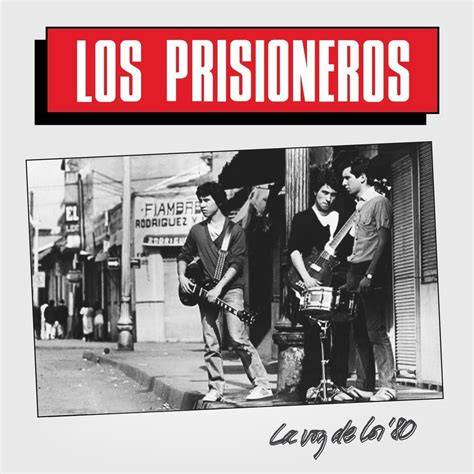
Los Prisioneros are known for several iconic songs and albums that define their style. Their debut album, "La Voz de los '80" (1984), features tracks like "We Are Sudamerican Rockers" and "La Cultura de la Basura," which tackled social issues through a blend of rock and new wave. Another significant album, "Pateando Piedras" (1986), includes hits like "Bailando en la Oscuridad" and "¿Por Qué No Se Van?" These songs explored themes of alienation, social injustice, and the struggle against oppression, resonating deeply with their audience. Their raw energy and sharp lyrics created a sound that continues to influence artists today.
Over the years, the band's style evolved, incorporating elements from various genres while maintaining a strong political message. Their willingness to address controversial topics set them apart from many contemporaries. While some listeners may focus on their catchy melodies, the depth of their lyrics is where their true impact lies.
How did Los Prisioneros influence political and social movements?
Los Prisioneros' music became a rallying cry for those opposing the Pinochet regime. Their songs challenged the political status quo and were essential to the resistance movement in Chile. For example, tracks like "We Are Sudamerican Rockers" expressed a sense of unity among Latin American countries fighting against oppression. Their lyrics often highlighted the struggles faced by ordinary Chileans, making political issues more relatable to a broader audience.
During concerts, their performances became acts of defiance, fostering a sense of community among attendees. The band articulated the frustrations of a generation, allowing them to connect with many who felt voiceless. However, not everyone embraced their message; some viewed their music as too provocative, resulting in censorship and backlash from the government.
What challenges did the band face during their career?
Los Prisioneros encountered numerous challenges, particularly due to their outspoken political stance. Censorship was a significant issue; many of their songs were banned from radio and television, limiting their reach. They faced threats and harassment from the government, which sought to silence dissenting voices.
In the late 1980s, internal conflicts led to the departure of band member Narea. The pressure of living under a repressive regime took its toll, and they even experienced exile, a fate common for politically charged artists in such environments. Despite these challenges, the band persevered, using their platform to raise awareness about social issues and contributing to the cultural and political changes occurring in Chile.
Where can I find their music and related resources today?
You can find Los Prisioneros' music on streaming platforms like Spotify, Apple Music, and YouTube. Many of their albums, including "La Voz de los '80" and "Pateando Piedras," are available for digital purchase or streaming. Numerous documentaries and interviews explore their impact on Chilean culture and politics. Websites dedicated to Latin American music often feature articles about the band, providing insights into their legacy and ongoing influence. Additionally, literature discussing their role in the Nueva Canción Chilena movement offers deeper context on how their music shaped social consciousness in Chile.
Conclusion
To appreciate Los Prisioneros, start by listening to their most influential albums and focus on the lyrics as much as the melodies. Explore documentaries and articles that examine their cultural significance. While their music may seem purely entertaining, understanding the backdrop of political strife that informed their work enhances your appreciation of how music can reflect and influence societal change.
Frequently Asked Questions
What genre of music did Los Prisioneros play?
Los Prisioneros primarily played rock music, incorporating elements of new wave and punk. Their style combined catchy melodies with socially conscious lyrics, making them a unique voice in Chilean music.
What was the political climate in Chile during Los Prisioneros' rise?
During the 1980s, Chile was under the dictatorship of Augusto Pinochet, which led to widespread repression and human rights abuses. Los Prisioneros' music served as a voice for dissent against this oppressive regime.
Did Los Prisioneros face any censorship?
Yes, Los Prisioneros faced significant censorship during their career. Many of their songs were banned from radio and television due to their political content, which angered the ruling government.
Are Los Prisioneros still active today?
While the band has experienced several lineup changes and periods of inactivity, they have reunited for special performances. Their legacy continues to influence new generations of musicians in Chile and beyond.
What themes are common in Los Prisioneros' music?
Common themes in Los Prisioneros' music include social injustice, political oppression, and the struggles of everyday life in Chile. Their lyrics often reflect the frustrations and aspirations of the Chilean people during a tumultuous time.