Effective Loan Offer Negotiation Tips to Secure the Best Deal

If you’re a first-time homebuyer, negotiating your loan offer is a crucial step in the mortgage process. You don’t have to accept the first offer you receive; with the right strategies, you can negotiate better terms that align with your financial needs. Here are some practical loan offer negotiation tips to help you feel more confident as you navigate this important aspect of buying your home.
What should I consider before negotiating my loan offer?
Before negotiating, evaluate key factors in your loan offer. Start with the interest rate, as even a small difference can significantly affect your monthly payments and the total cost over time. Examine the loan terms, including the length of the loan and whether it’s fixed or adjustable. Pay close attention to the fees associated with the loan, such as origination fees, closing costs, and other charges. Understanding these elements will prepare you for effective negotiations, ensuring you know exactly what you’re dealing with.
How do I evaluate my loan offer effectively?
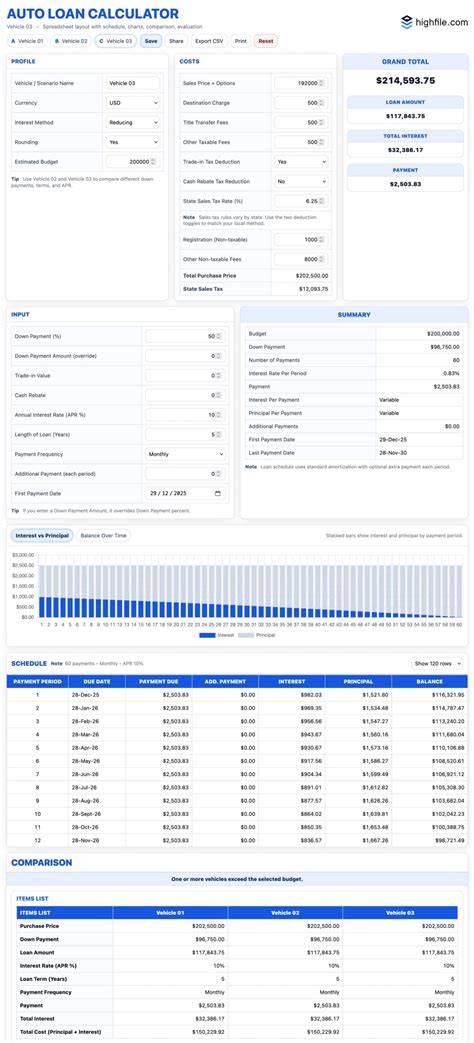
To evaluate your loan offer effectively, compare it to other options in the market. Begin by looking at the Annual Percentage Rate (APR), which reflects the true cost of borrowing, including interest and fees. This helps determine whether your offer is competitive. Calculate your monthly payments based on the loan amount and interest rate, and consider the total interest paid over the life of the loan to gain a comprehensive view of your financial commitment. For instance, if you have two offers—one with a lower interest rate but higher fees and another with a slightly higher rate but lower fees—calculate the overall costs to identify the more favorable option.
What are the best strategies for negotiating better terms?
When negotiating loan terms, highlighting your creditworthiness is essential. A strong credit score can work in your favor, as lenders are more likely to offer favorable terms to lower-risk borrowers. Conduct market research to understand typical rates and fees for your desired loan amount and type; this knowledge can enhance your negotiating position. You might say, "I’ve found lower rates available for similar loans; can you match or improve this offer?" Being well-informed signals to the lender that you’re serious about securing the best deal.
How can I counter a loan offer without losing my approval?
Crafting a counteroffer requires a balance of assertiveness and respect. Start by thanking the lender for the initial offer to maintain a positive relationship. Then, clearly present your counteroffer, specifying which terms you’d like to change and the reasons behind your request. For example, if you seek a lower interest rate, explain how your credit score or financial situation supports this request. Open communication is vital; lenders appreciate borrowers who are transparent about their needs. Avoid being overly aggressive, as you want to foster goodwill rather than create tension.

What happens if my negotiation doesn’t go as planned?
If your negotiations don’t lead to a better loan offer, don’t panic. First, assess whether the original offer meets your needs; it might still be a viable choice. If it doesn’t, consider exploring other lenders, as each has different criteria and offers. Expanding your search might yield a better deal. Additionally, you can inquire if there’s room for improvement in other areas, such as closing costs or loan terms, rather than just the interest rate.
Conclusion
Thoroughly evaluate your loan offer and compare it with others in the market. Focus on your creditworthiness and do your research to strengthen your negotiating position. A successful negotiation means securing favorable terms that fit your budget and long-term financial goals, ultimately making your home purchase more manageable and less stressful.
Frequently Asked Questions
What should I do if I feel overwhelmed by the loan negotiation process?
Take a deep breath and know that feeling overwhelmed is common. Break the process into manageable steps: evaluate your offers, research market rates, and prepare your negotiation points. Reach out to a trusted advisor or mortgage broker for guidance if needed.
How can I improve my chances of getting a lower interest rate?
Improving your credit score is one effective way to secure a lower interest rate. Shop around with multiple lenders to find the best offer and be prepared to present competing offers as leverage during negotiations.
Is it common for lenders to negotiate loan terms?
Yes, many lenders are open to negotiation, especially if you present a strong financial profile. They want your business and may adjust terms to make their offer more appealing.
Can I negotiate after I've already signed a loan agreement?
Once you've signed a loan agreement, negotiating terms becomes much more challenging. However, if your financial situation changes significantly, you might explore options like refinancing later.
What kind of fees should I look out for when negotiating?
Be mindful of origination fees, appraisal fees, and closing costs. These fees can vary widely among lenders and substantially affect the total cost of your loan. Always request a breakdown of all fees to understand what you're agreeing to.