Living So Italian: Embracing the Culture and Lifestyle
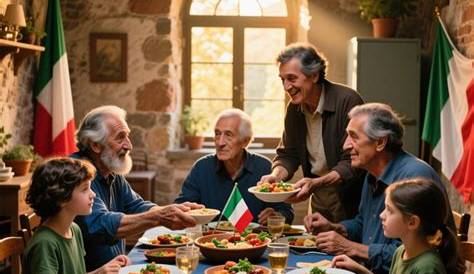
If you're planning a long-term stay in Italy, it's essential to immerse yourself in the culture to truly appreciate the Italian lifestyle. Living so Italian means embracing core values such as family, tradition, and community. Engaging with locals, respecting customs, and understanding the importance of food will enrich your experience and deepen your connections.
What does 'Living So Italian' really mean?
Living so Italian involves fully embracing the culture that defines Italy, with values like family, tradition, and community at its core. Family is central to social life; gatherings often revolve around family members, and maintaining these strong ties is vital. Tradition plays a significant role, as many towns celebrate local festivals and customs that date back centuries, fostering a sense of belonging within the community. Community is also essential; Italians prioritize social interactions over individualism. To truly live in Italy, you need to integrate into the fabric of Italian life by understanding and participating in these core values.
How can I make genuine connections with locals?
To connect with Italians, actively engage with your community. Participate in local festivals that celebrate food, music, and history, providing a relaxed atmosphere for meeting people. Joining clubs or community groups focused on interests like cooking, art, or sports can help you find like-minded locals. Taking language classes not only improves your Italian but also connects you with others learning the language, creating a shared experience. Regular visits to local markets or cafés will help you build rapport with shopkeepers and neighbors, turning casual encounters into meaningful relationships.
What are the important customs and etiquette I need to know?
Understanding Italian customs and etiquette is crucial to avoid misunderstandings. When dining, always greet your host and wait for them to invite you to sit. Italians appreciate a more formal dining pace, so savoring food is part of the experience; rushing through meals is frowned upon. In social settings, greet with a handshake, while close friends may exchange a kiss on both cheeks. Dress neatly and avoid overly casual attire in public spaces, especially during meals. When invited to someone’s home, bringing a small gift, like a bottle of wine or flowers, is a thoughtful gesture. Additionally, respect personal space; Italians may stand closer during conversations than you might be accustomed to.
How do Italians approach food and dining differently?
Food is central to Italian culture and is regarded as an opportunity for connection rather than just sustenance. Meals typically consist of multiple courses, starting with antipasti and moving through pasta, main dishes, and dessert, all meant to facilitate shared experiences. Seasonal ingredients are highly valued, and many meals change based on what is available, enhancing flavor and supporting local farmers. Dinner can last several hours, filled with conversation and laughter. It's also common for Italians to eat dinner late, often after 8 p.m., so adjust your expectations accordingly.
What resources can help me adapt and thrive in Italy?
To adapt to life in Italy, various resources can be invaluable. Books like "Eat, Pray, Love" by Elizabeth Gilbert and "A Farewell to Arms" by Ernest Hemingway offer cultural insights through storytelling. Enrolling in local cooking classes can deepen your understanding of Italian cuisine while helping you connect with locals. Online platforms such as Meetup can link you with various interest groups in your area. Additionally, language learning apps like Duolingo or Rosetta Stone can significantly enhance your communication skills, making daily interactions smoother.
Conclusion
To embrace Italian life, immerse yourself in the community through local events and cultural practices. Focus on building relationships with locals, as these connections will provide a richer experience than sightseeing alone. Although it may feel overwhelming initially, over time, you’ll discover that you’re not just living in Italy but truly embodying the Italian spirit.
Frequently Asked Questions
What are some common Italian greetings?
Italians often greet each other with "Ciao" for informal settings or "Buongiorno" (good morning) and "Buonasera" (good evening) for more formal occasions. A handshake is standard for first meetings, while close friends may greet with a kiss on both cheeks.
What should I wear in Italy?
Italians tend to dress stylishly, so opt for smart-casual attire. Avoid overly casual clothing like flip-flops or sweatpants, especially during meals. Clean and neat attire is always appreciated.
How important is family in Italian culture?
Family is paramount in Italian culture, serving as the cornerstone of social life. Many Italians maintain strong ties with extended family, frequently gathering for meals and celebrations, reinforcing community bonds.
Are tipping practices different in Italy?
Tipping in Italy is generally more subdued than in some other countries. While service charges are often included in the bill, rounding up or leaving small change is appreciated but not obligatory.
What is the significance of food in Italian culture?
Food in Italy is not just about nutrition; it’s a way to connect with family and friends. Meals are often lengthy, communal experiences that emphasize shared enjoyment, with seasonal, local ingredients being highly valued.