Understanding the Evolution of Kung Fu Films
Kung fu films are a unique blend of martial arts and storytelling that originated in China. These films, which emerged in the early 20th century, are not just about action; they reflect deep cultural values and historical contexts. This article explores the origins, key films, influential directors, and the significant impact of kung fu cinema on global culture.
What are the roots of kung fu films?
Kung fu films trace their origins back to the early 20th century in China, evolving from traditional Chinese opera and the country's rich martial arts heritage. The first true kung fu films appeared in the 1920s, but it was during the 1960s that they gained international recognition, largely due to the efforts of influential studios like Shaw Brothers. These films combined dramatic storylines with impressive martial arts choreography, resonating with audiences both in China and around the world. Historically, these films often reflect the struggles of the Chinese people during times of war and political unrest, emphasizing themes such as self-discipline, honor, and resilience.
While early films focused on traditional martial arts styles, later productions incorporated diverse influences, leading to varied storytelling and visual styles. This evolution laid the groundwork for a new wave of kung fu cinema that captivated global audiences and inspired numerous filmmakers.
Which iconic films should I watch?
To truly appreciate kung fu cinema, several iconic films and directors are essential. Bruce Lee is a pivotal figure in this genre; his films like 'Enter the Dragon' and 'The Way of the Dragon' popularized kung fu worldwide. His unique blend of martial arts and charisma set a new benchmark for action films. Another influential director is Wong Kar-wai, renowned for visually striking films like 'The Grandmaster,' which combines romance with the art of kung fu, highlighting both its beauty and complexity.
The Shaw Brothers Studio produced classics such as 'The 36th Chamber of Shaolin' and 'Come Drink with Me.' These films feature outstanding fight choreography and compelling narratives about honor, revenge, and the master-student relationship. Other notable films include 'Ong-Bak,' which introduced Thai martial arts to a broader audience, and 'Crouching Tiger, Hidden Dragon,' which elevated the genre with its stunning visuals and depth of storytelling.
Watching these films will provide a solid foundation in kung fu cinema and enhance your understanding of its evolution and global impact.
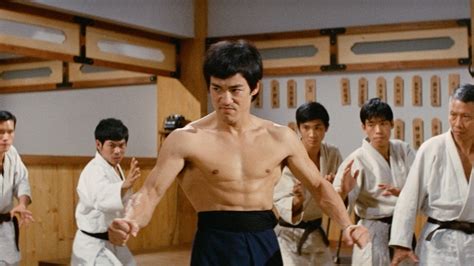
How has kung fu cinema shaped global culture?
Kung fu films have significantly influenced global culture, especially within cinema and popular media. Since the 1970s, these films have permeated Hollywood, inspiring a wave of action films that incorporate martial arts elements. Movies like 'The Matrix' and 'Kill Bill' draw heavily from the choreography and visual styles established by kung fu cinema. The popularity of these films has also contributed to a greater appreciation for Asian cultures and philosophies in the West.
The impact of kung fu films extends beyond the screen; they have influenced fashion, music, and video games. References to kung fu appear in songs by artists like Kanye West and in various video games that feature martial arts gameplay. This cultural exchange demonstrates how kung fu cinema has transcended its origins to inspire a diverse range of creative expressions globally.
While kung fu films have achieved mainstream success, they often face challenges regarding representation and authenticity. Critics argue that some Hollywood adaptations dilute the essence of martial arts traditions, misrepresenting their cultural significance. Recognizing this nuance helps deepen the appreciation of the genre and its complexities in a global context.
What common themes are found in kung fu movies?
Kung fu films often explore themes that resonate deeply with audiences, making them more than mere action spectacles. Common themes include honor, revenge, and the master-student relationship. Honor is a central concept; characters frequently embark on journeys to restore their family's name or uphold their martial arts school's reputation. This theme is evident in films like 'The 36th Chamber of Shaolin,' where the protagonist trains rigorously to protect his community.
Revenge is another frequent theme, driving characters to seek justice after personal loss or betrayal. Movies like 'Five Deadly Venoms' showcase this through intense rivalries and conflicts that culminate in climactic battles. The master-student dynamic often highlights the wisdom imparted by a mentor to a young fighter, as beautifully portrayed in films like 'Ip Man,' where the bond between the master and his students transcends martial arts training and explores life lessons.
While these themes are prevalent, not all kung fu films strictly adhere to them. Some, like 'Kung Fu Hustle,' incorporate humor and parody, offering a different perspective on the genre and showcasing its versatility.
How can I start exploring kung fu cinema?
To start exploring kung fu cinema, begin by watching some of the iconic films mentioned earlier. A great starting point is Bruce Lee's 'Enter the Dragon,' which masterfully combines action and storytelling. After that, check out 'The 36th Chamber of Shaolin' for a classic representation of traditional kung fu themes. For a modern take, 'Crouching Tiger, Hidden Dragon' is essential for its artistic approach and stunning visuals.
As you watch these films, pay attention to the different styles of martial arts showcased and the unique storytelling techniques each director employs. You might also explore documentaries or books about martial arts and the cultural significance of kung fu films to enrich your understanding.
Additionally, consider joining online forums or local film clubs to discuss these films with other enthusiasts. This interaction can enhance your viewing experience and introduce you to lesser-known gems in the genre. By immersing yourself in the films and their context, you'll gain a deeper appreciation of kung fu cinema and its impact on film and culture.
Conclusion
Start your journey into kung fu cinema with classics like 'Enter the Dragon' and 'The 36th Chamber of Shaolin.' Focus on understanding the themes and styles that resonate with you, rather than trying to watch everything at once. As you explore these films, you'll discover not only thrilling action but also narratives that reflect deeper cultural values. This will lead to a richer appreciation for the genre and its role in shaping cinematic history and global culture.
Frequently Asked Questions
What is the significance of Bruce Lee in kung fu films?
Bruce Lee is a pivotal figure in kung fu cinema, known for his incredible martial arts skills and charismatic screen presence. His films, like 'Enter the Dragon,' helped to popularize martial arts worldwide, setting a new standard for action films and inspiring generations of filmmakers and martial artists.
Are all kung fu films about martial arts?
While martial arts are a central theme in kung fu films, they're also rich in storytelling and cultural significance. Many films explore themes of honor, revenge, and personal growth, making them much more than just action spectacles.
How did kung fu films influence Hollywood?
Kung fu films began to influence Hollywood in the 1970s, leading to a wave of action films that incorporated martial arts elements. Movies like 'The Matrix' and 'Kill Bill' draw heavily from the styles and choreography established by kung fu cinema.
What styles of martial arts are featured in kung fu films?
Kung fu films typically showcase various styles of Chinese martial arts, such as Wing Chun and Tai Chi. They can also incorporate elements from other martial arts disciplines, including karate and Muay Thai, particularly in modern adaptations.
Can you recommend any modern kung fu films?
Some modern kung fu films worth watching include 'The Grandmaster' by Wong Kar-wai, which offers a visually stunning portrayal of martial arts, and 'Ip Man,' which highlights the life of Bruce Lee's mentor. 'Crouching Tiger, Hidden Dragon' is also a must-see for its artistic storytelling and choreography.