Understanding the Kingdom of Mewar: History and Legacy
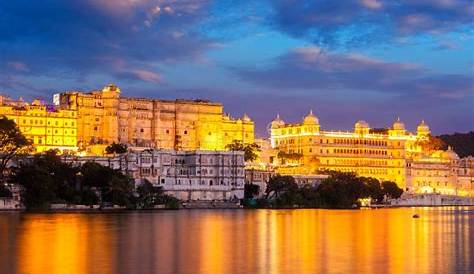
The Kingdom of Mewar, located in present-day Rajasthan, India, is one of the oldest surviving dynasties in the world, founded by the Sisodia clan of Rajputs in the 6th century CE. It is renowned for its fierce independence and played a crucial role in the cultural and political history of India, particularly during the medieval period.
What was the Kingdom of Mewar?
The Kingdom of Mewar was established around 565 CE by Bappa Rawal, a legendary figure in Rajput history. It is situated in the southern part of Rajasthan and is known for its strategic location and natural defenses. The kingdom's capital, Udaipur, became a cultural hub recognized for its art, architecture, and valor. Mewar is significant not only for its military prowess but also for its commitment to preserving Rajput honor and traditions, especially during Mughal rule. For example, the kingdom actively resisted Mughal advances, maintaining its sovereignty longer than many other regions.
Who were the key rulers of Mewar?
Prominent rulers of Mewar include Maharana Kumbha, Maharana Pratap, and Maharana Sanga. Maharana Kumbha, who ruled from 1433 to 1468, is celebrated for his military victories and architectural contributions, including the construction of Kumbhalgarh Fort. Maharana Pratap, the most famous ruler, is remembered for his valiant stand against Mughal emperor Akbar at the Battle of Haldighati in 1576. His legacy symbolizes Rajput valor and resistance. Maharana Sanga, who ruled earlier, united the Rajput clans against the Mughals and laid the groundwork for Mewar's resilience. Together, these rulers exemplify the kingdom's enduring spirit and commitment to independence.
What are the cultural achievements of Mewar?
Mewar boasts a rich cultural heritage, reflected in its art, music, and festivals. The region is renowned for its traditional folk music and dance forms, such as Ghoomar and Kalbeliya, which celebrate local folklore and history. Festivals like Teej and Gangaur are celebrated with great fervor, showcasing the vibrant traditions of the region. Additionally, Mewar has a rich tradition of miniature painting, often depicting royal life and historical events, contributing to the broader Indian artistic heritage. These cultural practices continue to thrive today, enhancing the region's identity.
What architectural wonders are associated with Mewar?
Mewar is home to some of India's most iconic architectural marvels. The City Palace in Udaipur, a stunning amalgamation of different architectural styles, showcases intricate peacock mosaics and beautiful courtyards. Kumbhalgarh Fort, known for its massive walls that extend over 36 kilometers, is a UNESCO World Heritage Site exemplifying Rajput military architecture. Another significant site is Chittorgarh Fort, the largest fort in India, which tells tales of valor and tragedy through its ruins and palaces. Together, these structures reflect the kingdom's historical significance and artistic achievements.
Why is the legacy of Mewar important today?
The legacy of Mewar continues to influence modern Indian culture and identity, particularly in Rajasthan. It symbolizes pride, bravery, and the spirit of independence among the Rajputs and the broader Indian populace. The stories of its rulers, especially Maharana Pratap, inspire current generations, reinforcing values of courage and resistance against oppression. Mewar's cultural richness, reflected in its festivals, music, and art, remains a vital part of India's diverse cultural heritage.
Conclusion
To further explore the Kingdom of Mewar, consider visiting its historical sites, attending local festivals, or learning about its art forms. Engaging with Mewar's living heritage can deepen your understanding of its historical significance in India.