Understanding Kartvelian Languages: Origins and Features
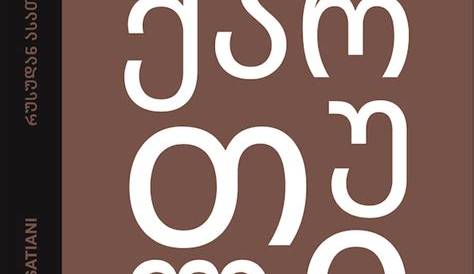
Kartvelian languages, primarily spoken in Georgia, have a unique structure and history that set them apart from many other language families. This small language group includes Georgian, Mingrelian, Laz, and Svan, each contributing to the region's rich cultural tapestry. In this article, we’ll explore their origins, key characteristics, and cultural significance, highlighting why they deserve your attention.
What are Kartvelian languages and why do they matter?
Kartvelian languages, also known as South Caucasian languages, form a small language family that includes Georgian, Mingrelian, Laz, and Svan. They are primarily spoken in Georgia and surrounding regions, serving as a crucial part of the cultural identity of their speakers. These languages are significant in linguistics because they are not closely related to any other language family, such as Indo-European or Turkic languages. This uniqueness provides valuable insights into human language evolution and structure. While Georgian is the most widely spoken and serves as the official language of Georgia, Mingrelian, Laz, and Svan also play critical roles in regional identity and heritage. Understanding Kartvelian languages enriches our comprehension of the diverse cultural landscape of the Caucasus region.
How many languages are in the Kartvelian family?
The Kartvelian language family consists of four main languages: Georgian, Mingrelian, Laz, and Svan. Georgian is the most prominent, with around 4 million speakers, primarily in Georgia, but also among diaspora communities worldwide. Mingrelian and Laz are spoken in the Samegrelo-Zemo Svaneti region of Georgia and in Turkey, respectively. Svan, with fewer speakers, is primarily found in the mountainous regions of Svaneti. Each of these languages has its own dialects and variations, reflecting the cultural diversity within the Kartvelian family. The geographical distribution of these languages reveals a rich linguistic and cultural heritage, making them intriguing subjects for study.
What makes Kartvelian languages unique?
Kartvelian languages are distinctive for their phonetic systems and grammatical structures. For instance, Georgian features a complex system of consonant clusters that can be challenging for speakers of other languages. The grammar is agglutinative, meaning that words are formed by combining various morphemes, which convey different grammatical meanings. This results in long, intricate words that encapsulate a lot of information. Additionally, Kartvelian languages utilize a rich system of noun cases, with Georgian having up to seven cases that indicate the role of a noun in a sentence. A common misconception is that Kartvelian languages are similar to other languages in the Caucasus region; however, their distinct features clearly set them apart, establishing them as a unique linguistic family.
What cultural elements are associated with Kartvelian languages?
Kartvelian languages are deeply intertwined with the culture, literature, and folklore of the Georgian people. Georgian literature dates back to the 5th century, featuring significant works that reflect the nation's history and identity. Folklore, including songs, tales, and traditions, often incorporates themes and narratives that resonate with the speakers of these languages. Language plays a crucial role in shaping the identity of its speakers; for instance, many Georgians take pride in their unique alphabet, one of the oldest in the world. The cultural significance of these languages is evident in the ongoing preservation efforts, as communities strive to maintain their linguistic heritage amidst globalization. Understanding these languages can enhance your appreciation of the vibrant culture and history they represent.
Where can I learn more about Kartvelian languages?
If you're interested in exploring Kartvelian languages further, several resources are available. Books like "Georgian: A Learner's Grammar" provide a structured approach to understanding the language. Online platforms like Duolingo and Memrise offer courses in Georgian, making it easier to engage with the language interactively. Websites such as the Georgian National Center for Manuscripts provide access to historical texts and resources, while academic articles offer deeper insights into linguistic features and studies. Connecting with language communities or cultural organizations can also enhance your learning experience and provide practical exposure to the languages.
Conclusion
Start by learning Georgian, as it serves as the gateway to the Kartvelian language family and offers a wealth of resources. Focus on understanding the basics and immerse yourself in the culture through literature and music. This approach will help you grasp the language structure while appreciating the rich cultural heritage tied to it, deepening your connection to the region and its people.
Frequently Asked Questions
What are the main Kartvelian languages?
The main Kartvelian languages are Georgian, Mingrelian, Laz, and Svan. Georgian is the most widely spoken, serving as the official language of Georgia, while the others are spoken in various regions and communities.
How many speakers do Kartvelian languages have?
Georgian has around 4 million speakers, while Mingrelian and Laz have significantly fewer. Svan is the least spoken among them, primarily found in mountainous areas of Georgia.
Are Kartvelian languages similar to any other language families?
Kartvelian languages are not closely related to any other language families, which makes them unique. They have distinct phonetic and grammatical features that set them apart from Indo-European and Turkic languages.
What cultural significance do Kartvelian languages hold?
Kartvelian languages are vital to the cultural identity of their speakers, reflected in literature, folklore, and traditions. They help shape the community's sense of belonging and heritage.
Where can I find resources to learn Kartvelian languages?
Resources for learning Kartvelian languages include books like "Georgian: A Learner's Grammar," online courses on platforms like Duolingo, and websites dedicated to Georgian culture and language.